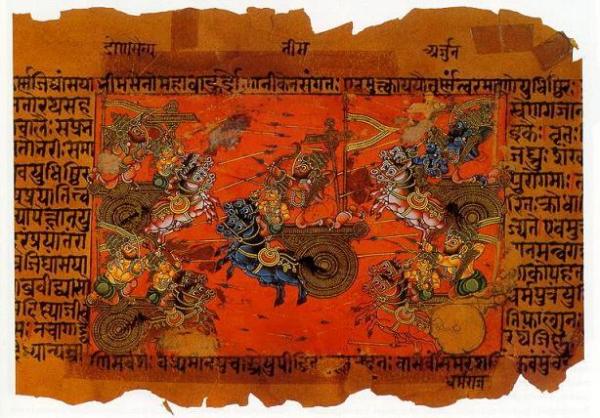
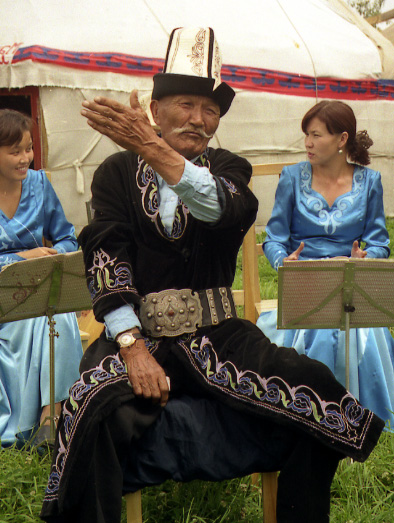
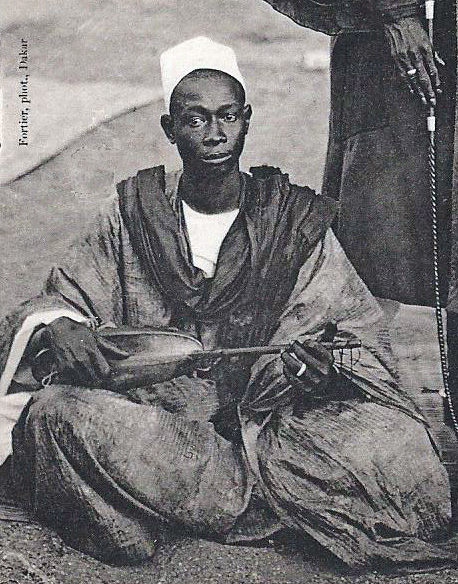
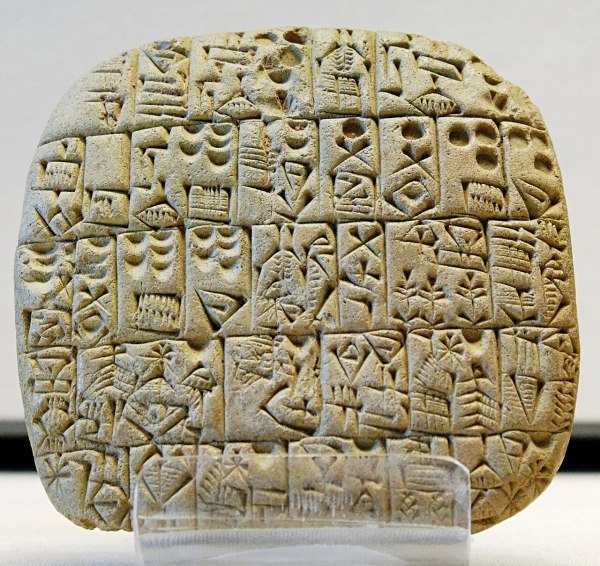
Different Ways to Explain the Past When students first encounter genealogies in the Hebrew Bible, African oral traditions, or Polynesian ancestry charts, they often react with surprise or even skepticism. Wait, some generations are missing… Why are numbers symbolic? How can one ancestor represent an entire clan? In a Western context, where family trees are... Continue Reading →
Challenging Western Views in History Teaching
Why Some Histories Feel “False” to Us (and Why They Aren’t) When students encounter non-Western histories, their reaction is often subtle but telling: they hesitate, skim, or mentally check out because something feels “off.” Events don’t line up neatly on a timeline, details shift, or the story emphasizes lessons instead of dates. These moments aren’t... Continue Reading →
The Sabaeans: Ancient Arabia’s Masters of Trade and Engineering
Long before Islam reshaped the Arabian Peninsula, the Sabaeans built one of the ancient world’s most impressive engineering projects and controlled a trade network that stretched from Africa to the Mediterranean. Centered in what is now Yemen, the Kingdom of Saba became wealthy through its domination of the frankincense and myrrh trade, rare luxury goods... Continue Reading →
The Sogdians: Silk Road Traders Who Shaped Early Globalization
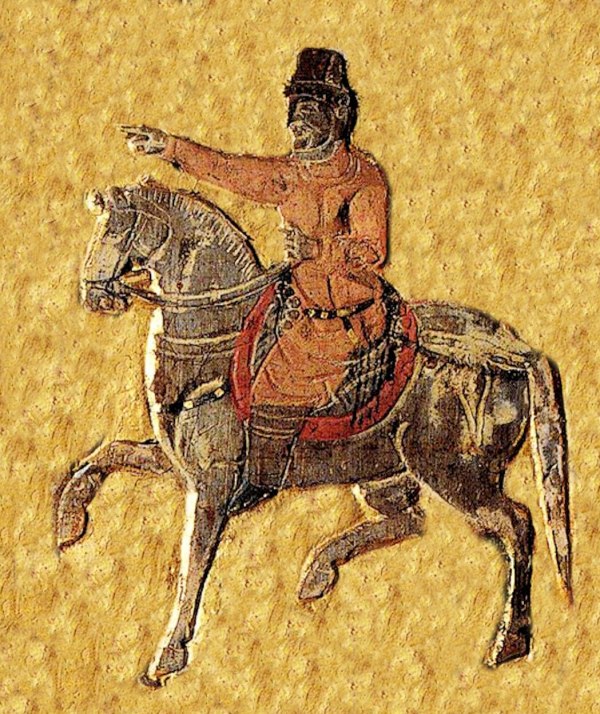
When teaching world history, the Silk Road often comes up as a route for silk, spices, and exotic goods. But at the heart of this network were the Sogdians, a civilization few have ever heard of before. The Sogdians were Central Asian traders whose merchants, language, and networks connected China, Persia, and the Mediterranean. Their... Continue Reading →
Exploring the Kingdom of Kush: A Lost Ancient Civilization
When teaching ancient history, Egypt often dominates the conversation, but just south of the Nile, the Kingdom of Kush thrived for centuries. Centered at Meroë, in modern-day Sudan, Kush became a powerful civilization that even ruled Egypt as pharaohs during the 25th Dynasty. Kush excelled in trade, ironworking, and cultural innovation. They can show students... Continue Reading →
The Legacy of the Lycians: Influence on Ancient Civilizations
Lycians: An Influential Ancient Civilization of Southwestern Anatolia The Lycians were an ancient civilization that lived in southwestern Anatolia (modern Turkey) from about the 15th century BCE until 546 BCE. While they are often overshadowed by the Greeks and Romans in history textbooks, the Lycians played a key role in shaping Mediterranean trade networks, political... Continue Reading →
Scythians: Masters of the Steppe
Between the Black and Caspian Seas, a group of nomadic Iranian warriors, dominated the Eurasian steppe from roughly 900 BCE to 200 CE. The Scythians were renowned for their cavalry skills. Their mobile society excelled in horseback archery, rapid raids, and strategic warfare that allowed them to control vast territories far beyond their settlements. They influenced both... Continue Reading →
The Olmecs: Mesoamerica’s Mother Culture
Often called the “mother culture” of Mesoamerica, the Olmecs (c. 1500–400 BCE) laid the groundwork for later civilizations like the Maya and Aztec. They are best known for their monumental stone heads, carved from basalt and weighing several tons, which may have represented rulers or deities. The Olmecs also built pyramids and ceremonial centers and... Continue Reading →
Hittites: The Forgotten Civilization That Shaped the Ancient Near East
The Hittites were an ancient civilization that thrived in modern-day Turkey and northern Syria from roughly 1600 to 1200 BCE. They were one of the first to forge iron tools and weapons. Along with Egypt, they created the world's first known peace treaty. Their law codes were ahead of their time, yet despite this, very... Continue Reading →
Nok: The Pioneers of Iron and Terracotta Art in West Africa
When students study world history, sub-Saharan Africa is often overlooked, yet civilizations like the Nok culture demonstrate early technological and artistic brilliance. Flourishing in what is now central Nigeria from around 1000 BCE to 300 CE, the Nok people were among the first in West Africa to master iron smelting and produce intricate terracotta sculptures. They set the stage for... Continue Reading →