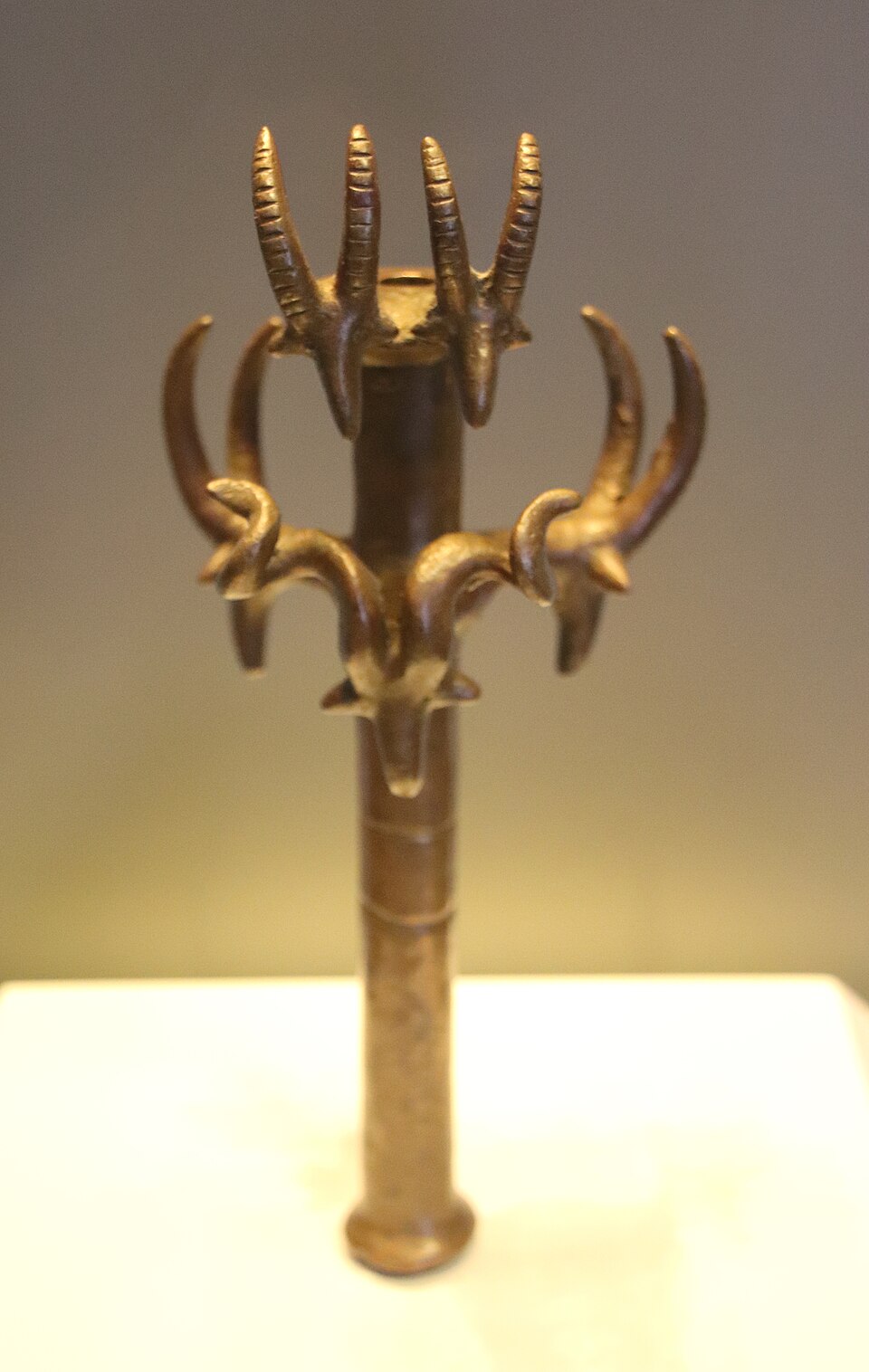
Picking up where we left off in our exploration of the Copper Age, the Near East and Anatolia (~5000–3300 BCE) show how early metallurgy began transforming villages into thriving urban centers. For social studies teachers, this period is a goldmine, or copper mine, for helping students connect the inventions we introduced in the first post: copper tools, pottery, and trade networks, to the rise of fortified settlements, social hierarchies, and long-distance trade. By exploring these innovations, students can see firsthand how technological change reshaped daily life and laid the groundwork for the Bronze Age, reinforcing the cyclical and interconnected nature of history.
Building on Innovation: From Tools to Social Change
In our previous post, we highlighted how copper tools represented a massive leap from stone technology. In the Near East and Anatolia, communities didn’t just adopt copper, they adapted their entire lifestyles around it. Students can explore this by comparing stone and copper tools, imagining how tasks like farming, woodworking, or crafting would change. These small shifts weren’t just practical, they reshaped social organization, creating early hierarchies as some individuals controlled access to metal, crafting skills, or trade routes.
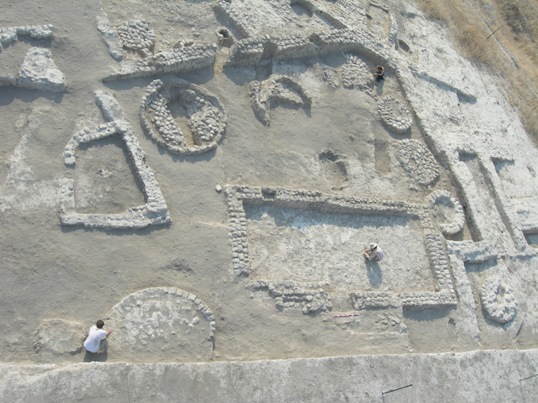
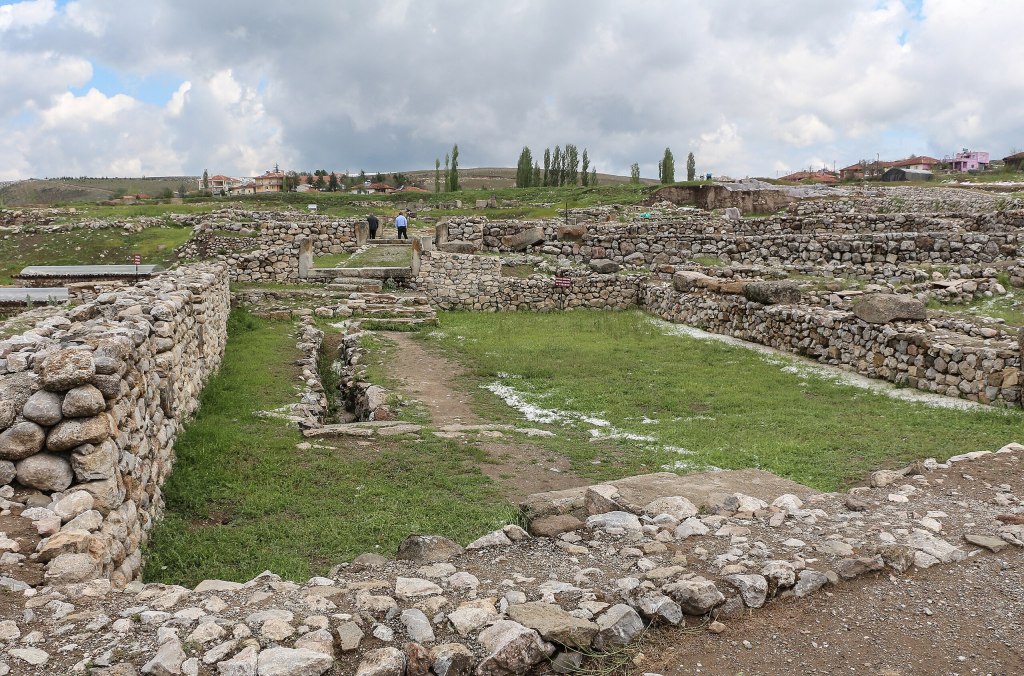
Pottery, irrigation, and fortified settlements grew alongside metallurgy. Students can study images of ancient pottery styles or create simple classroom diagrams of irrigation systems to see how early urban planning met the needs of expanding populations. Discussing fortified settlements helps students understand that safety, resources, and cooperation drove innovation, showing that technological and social change were intertwined.
Copper from Anatolian mines reached northern Mesopotamia, where it was made into tools, pins, needles, and simple ornaments, replacing stone implements, supporting daily life, craftsmanship, and signaling social status. It was also used to forge tools, knives, pins, and simple jewelry, and even used in early ceremonial objects, demonstrating its impact on daily life, craftsmanship, social status, and ritual practices.
Trade Networks: Connecting Communities Across Distance
By 5000 BCE, Near Eastern and Anatolian communities were connected in complex trade networks. Raw metal and crafted goods traveled hundreds of miles, fostering interregional connections. Teachers can help students map these ancient trade routes to appreciate the scale of the geography involved, showing how rivers like the Euphrates, mountain ranges such as the Taurus Mountains, and vast desert regions shaped where copper could travel, how long it took to move, and which communities gained economic and political power as a result.
Questions like “Why was copper so valued?” or “How did trade reinforce social hierarchies?” encourage students to think critically about economic, cultural, and social dynamics.
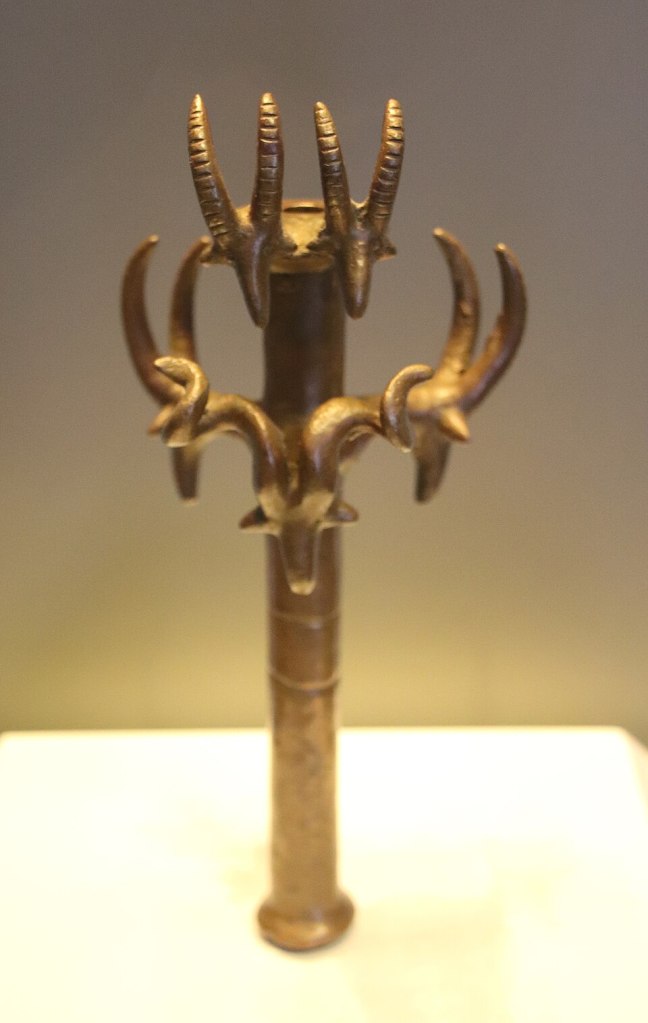
Drawing from these ideas, we can help students make connections with the materials and trade networks that exist today. Copper from Chile to China finds modern use in power grids, motors, and nearly everything we can classify as modern technology. Everything from the price of copper to the geo-political realities shape our everyday lives, just like they did in antiquity.
Why This Matters for Social Studies Teachers
By examining early metallurgy and urban beginnings in the Near East and Anatolia, social studies teachers can show how copper tools, fortified settlements, and trade networks reshaped human societies. It shows how the stage was set for the Bronze Age and highlights the cyclical, interconnected patterns that define human history.
Recommended Reading
Copper: an ancient metal – Overview of how Early humans discovered copper’s usefulness, sparking metallurgy and complex civilizations.
British Museum copper artifacts – A searchable online artifact database with many items from the prehistoric Near East (including Chalcolithic finds like tools, pottery, and early metal objects).
Recommended Resources
The Minoans & Mycenaean Greek Civilizations Unit – Engaging Ancient Greece unit on Minoans and Mycenaeans with readings, primary sources, activities, video, and assessments to build historical thinking skills in grades 6–8.
Ryan Wagoner
The Lyceum of History
“I am indebted to my father for living, but to my teacher for living well.” — Alexander the Great
Follow me on: Blog | TpT | YouTube | X | Instagram | Facebook



Leave a Reply