
Why Some Histories Feel “False” to Us (and Why They Aren’t)
When students encounter non-Western histories, their reaction is often subtle but telling: they hesitate, skim, or mentally check out because something feels “off.” Events don’t line up neatly on a timeline, details shift, or the story emphasizes lessons instead of dates. These moments aren’t signs of confusion, they reveal the unspoken rules students have absorbed about what “real history” is supposed to look like. For social studies teachers, helping students navigate this disconnect is essential to prevent them from dismissing entire cultures as inaccurate.
The Unspoken Rules We Teach About History
From early schooling, students are trained to think history means dates, timelines, and linear narratives. Even daily routines are taught chronologically: “Tell me what you did over the weekend in order.” Over time, this expectation becomes embedded in how they approach historical sources.
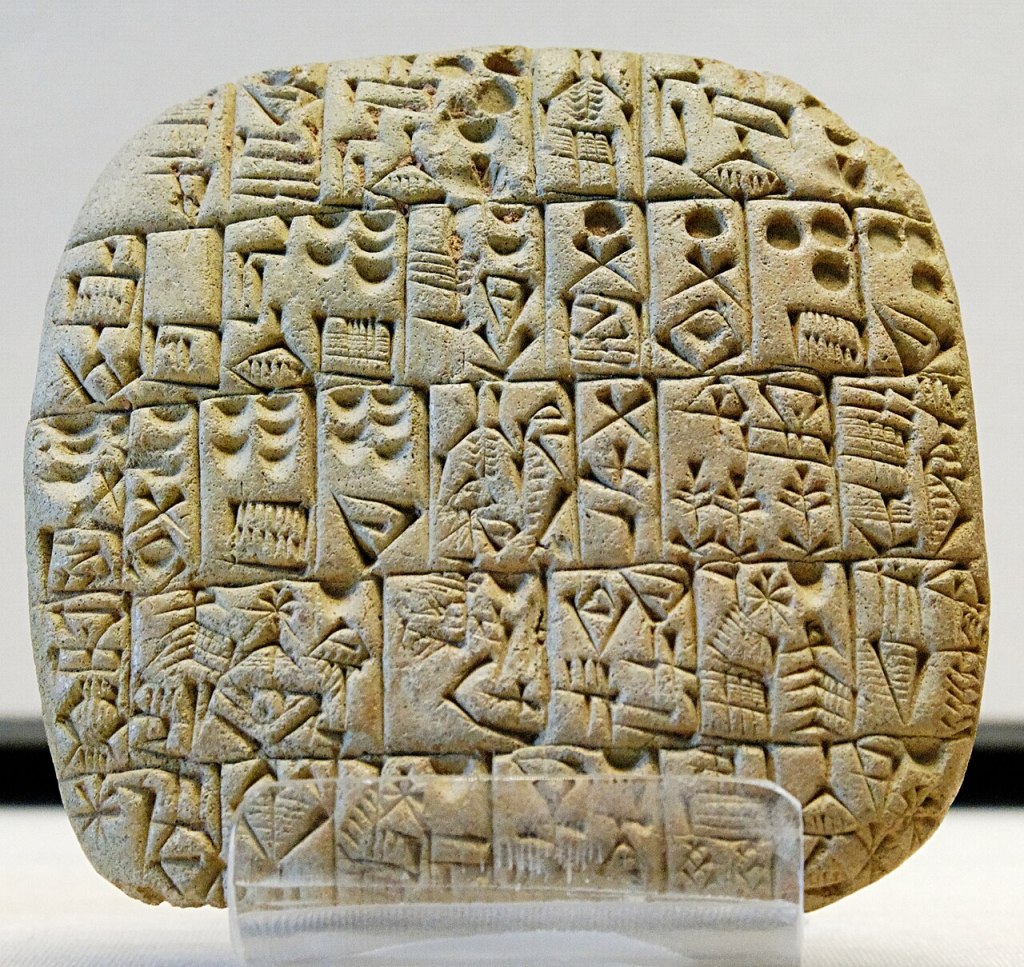
Western methods of recording the past have deep roots in several cultures. Ancient Mesopotamians used cuneiform to track trade, laws, and royal orders. Egyptians left monumental inscriptions and king lists to document political and religious continuity. Greek historians like Herodotus and Thucydides told ordered narratives connecting events and causes, while Romans maintained annals, legal records, and official documentation to manage society. Medieval European monks and Renaissance scholars built on these traditions, giving rise to the Western focus on precision, documentation, and written evidence as the foundation of “objective” history.
A simple classroom move: pause mid-lesson and ask students what they expect a “good” historical account to include. When they list dates, footnotes, and timelines, they often realize they are describing a particular tradition, not a universal one. From there, you can introduce alternative ways societies preserve the past.

History as Meaning, Not Just Memory
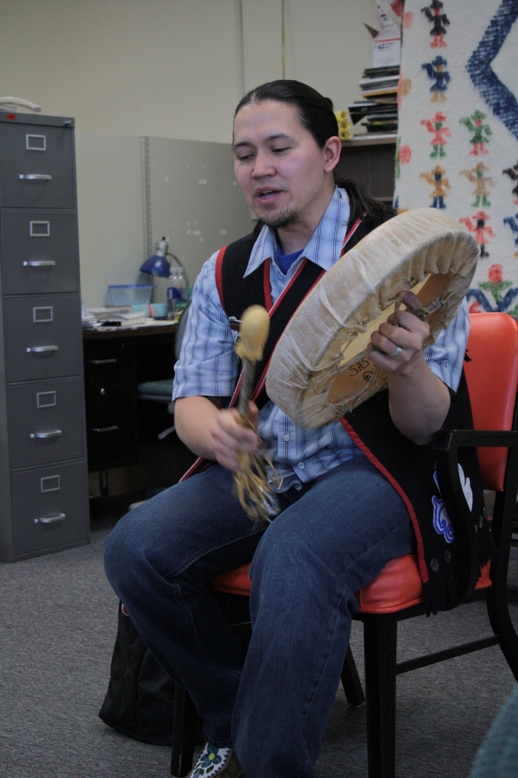
In many cultures, history isn’t about preserving perfect records. It’s about preserving meaning. Stories teach moral lessons, explain origins, reinforce identity, or pass on survival knowledge. Details shift depending on the teller and audience, but the core lesson remains.
A quick classroom bridge: ask students to recall a family story they’ve heard multiple times. They’ll notice different details are emphasized depending on the context, yet the story’s message stays the same. Suddenly, oral traditions or symbolic narratives stop feeling sloppy and start feeling purposeful.
Judging With the Wrong Lens
Most students default to a Western lens: if a history isn’t chronological or internally consistent, it must be wrong. But applying this standard to every culture is a mistake. History designed to preserve meaning, identity, or values will always seem flawed when judged only by dates and facts. Analogy for class discussion: comparing these traditions is like criticizing a poem for not being a spreadsheet. The problem isn’t failure; it’s asking it to do the wrong job. Teachers can reinforce this by asking: What questions are we bringing to this source, and do they fit its purpose?
Why Contradictions Don’t Mean Lies
In Western classrooms, contradictions usually signal error. But many oral and traditional societies embrace multiple versions of the same story. Different tellings emphasize different ancestors, values, or lessons, and all can be “true.”
Classroom connection: ask students if two people can describe the same family event differently yet truthfully. Once they recognize that perspective shapes memory in daily life, they’re more willing to apply the same thinking to history. This strengthens skills they already use: sourcing, perspective-taking, and contextual analysis.
A Question That Reframes Everything
One of the most powerful ways to start this conversation is a simple question: “Is a family story still true if the details change but the lesson stays the same?” Students almost always say yes, which opens the door to connecting that intuition to oral traditions, Indigenous histories, and ancient epics. By the time students realize they’ve been defending non-Western history, the resistance is gone.
Practical Moves for Tomorrow
When students understand that history serves different purposes in different cultures, several barriers disappear. They stop dismissing non-Western sources as “wrong,” think critically about perspective, and see that historical thinking itself is shaped by culture. Teachers can try these activities immediately:
- Compare sources: Read a short excerpt from Herodotus and compare it with an Egyptian king list. Ask: What is each source trying to do?
- Timeline contrast: Project a medieval chronicle next to a Mesopotamian king list and ask: What do we notice about dates, reasons, and storytelling?
- Modern vs. ancient: Show a modern newspaper article and a Mesopotamian administrative tablet. Ask: Which details matter to the writer, and why?
These exercises make it clear that history isn’t just about dates—it’s about purpose, perspective, and meaning.
Conclusion
Western history is one approach among many, shaped by chronology, written records, and documentation. When students recognize that other cultures preserve the past differently, they gain a framework for understanding global history on its own terms. This awareness fosters historical empathy, critical thinking, and appreciation for the diversity of human memory. By guiding students to ask not just what happened, but why a society recorded it that way, teachers equip them to approach history with curiosity, insight, and respect.
Recommended Reading
Historiography – Encyclopedia Britannica – An overview of the writing of history based on the critical examination of sources, the selection of particular details from the authentic materials in those sources, and the synthesis of those details into a narrative that stands the test of critical examinati
Ancient Historiography – Encyclopedia Britannica – An overview of the various methods of historiography from various cultures of antiquity.
Recommended Resources
Bronze Age Collapse DBQ – Explore how trade, law, and writing shaped early civilizations and how historians reconstruct events from the evidence left behind.
Anglo-Saxon Invasion DBQ – Compare different accounts of migrations in early Britain to see how perspective and purpose shape historical storytelling.
Battle of Actium & the Rise of Augustus – Analyze Roman sources that portray the same event in different ways, showing how history can be used to shape identity and authority.
Ryan Wagoner
The Lyceum of History
“I am indebted to my father for living, but to my teacher for living well.” — Alexander the Great
Follow me on: Blog | TpT | YouTube | X | Instagram | Facebook



Leave a Reply