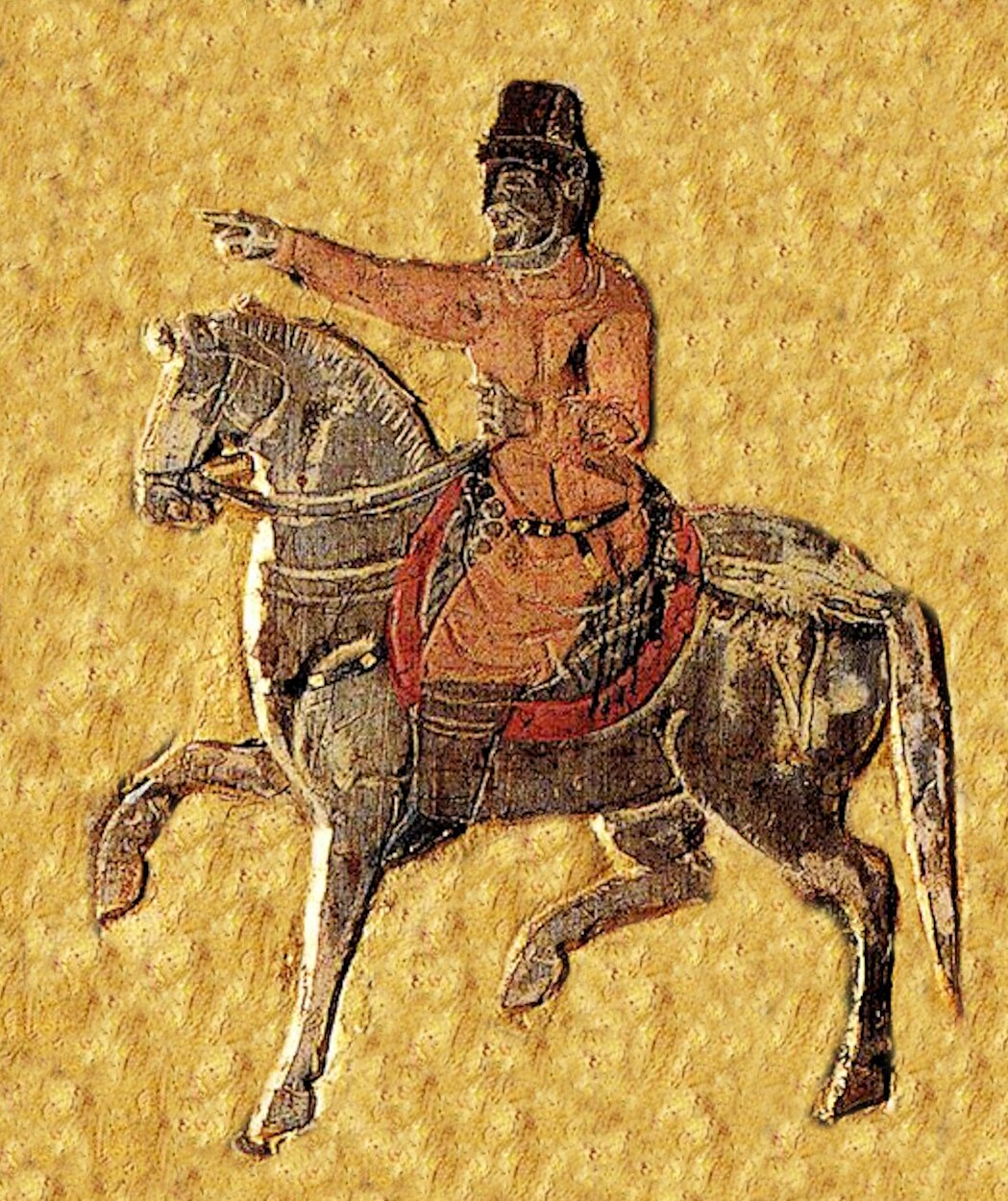
When teaching world history, the Silk Road often comes up as a route for silk, spices, and exotic goods. But at the heart of this network were the Sogdians, a civilization few have ever heard of before. The Sogdians were Central Asian traders whose merchants, language, and networks connected China, Persia, and the Mediterranean. Their role went beyond commerce. They facilitated the exchange of ideas, religion, and art, making them key drivers of early globalization. Social studies teachers can use the Sogdians to help students explore how trade, communication, and culture intersected in the ancient world. This offers a bridge to understand the cultures of Central Asia in the modern world.
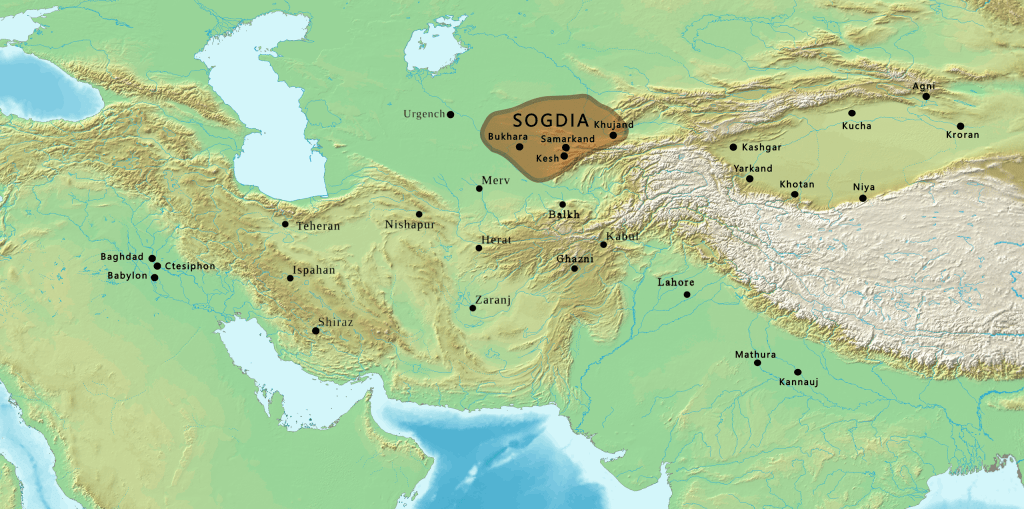
Trade and Networks: How the Sogdians Connected Civilizations
The Sogdians’ success was built on more than goods. They were multilingual and deeply embedded in trade networks stretching thousands of miles. Teachers can engage students by having them map Sogdian trade routes and identify the flow of goods such as silk, glassware, and spices. Asking students to consider the challenges of travel and communication in pre-modern times can build critical thinking and geographic reasoning skills. It’s also a chance to point out the goods the Sogdians themselves offered the ancient world, items ranging from grapes and melons to embroidered fabrics and engraved metal.
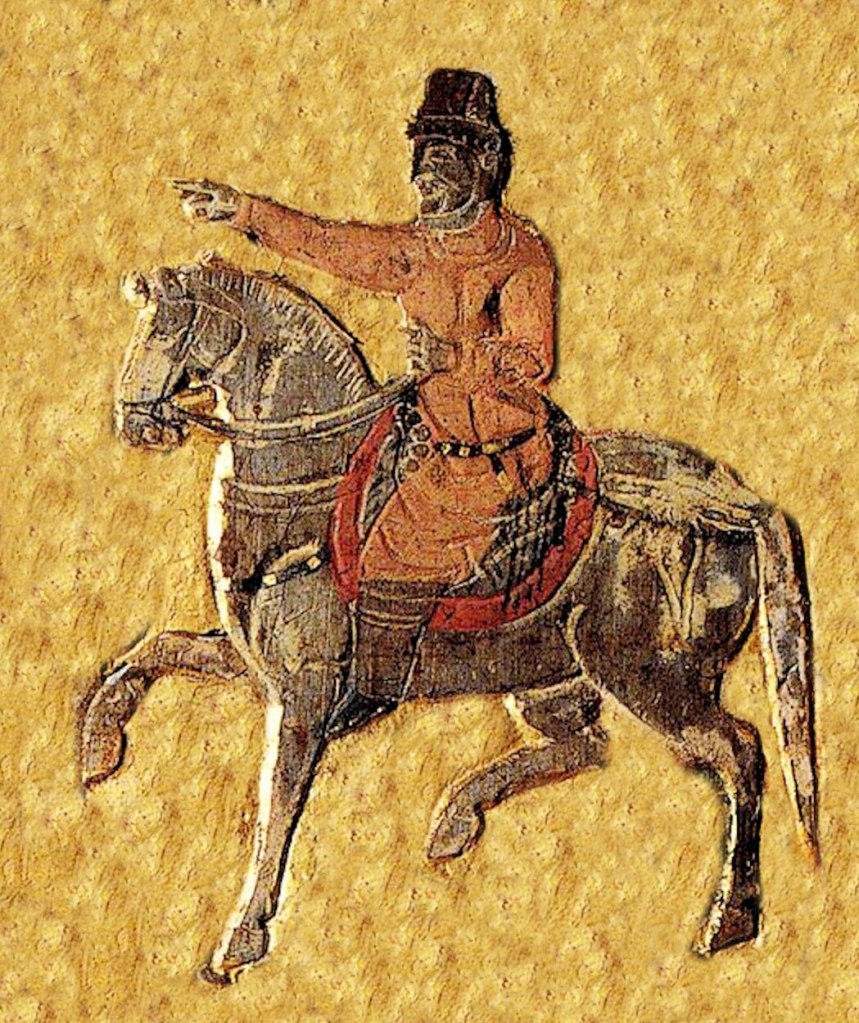
Sogdian merchants also acted as intermediaries, negotiating deals between empires and facilitating cultural understanding. It offers a chance to discuss how language and trust influence trade networks.
Cultural Exchange Along the Silk Road
Trade wasn’t just about goods. Sogdians transmitted Buddhist texts, artistic styles, and technological ideas across regions. Teachers can have students analyze artifacts or artworks from different civilizations to trace Sogdian influence. For example, Greco-Roman motifs traveled east, while Chinese inventions moved west, carried by caravans and translated texts.
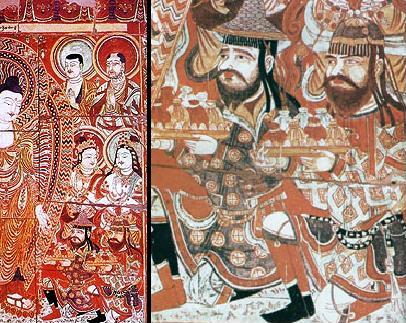
Highlighting Sogdian cultural exchange also allows students to examine the human side of globalization, how ideas and beliefs spread alongside merchants, creating a more interconnected ancient world. Classroom activities could include creating a “Silk Road influence map” showing where specific cultural elements originated and traveled.
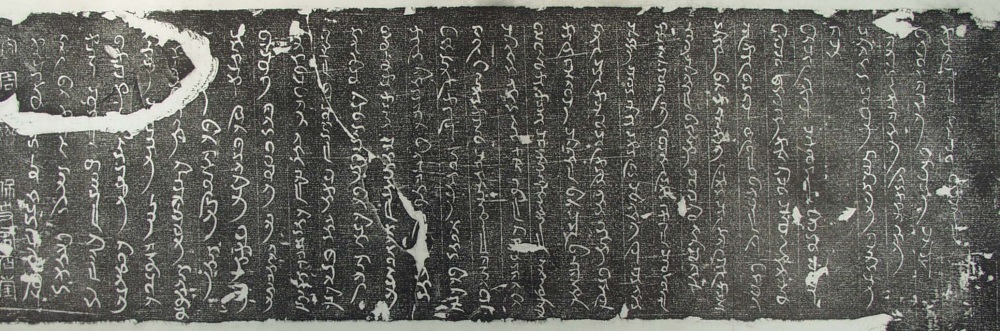
The Sogdians gradually lost political independence after the Arab Muslim conquest of Central Asia in the 8th century CE and were assimilated into modern Central Asian populations, leaving their cultural and linguistic legacy in Tajik, Uzbek, and other communities. While their language died out, they left an enduring cultural and commercial legacy.
Why the Sogdians Matter Today
By studying the Sogdians, students learn that globalization is not a modern invention. Social studies lessons can use their story to explore economic, linguistic, and cultural connections, and to understand how human networks shape societies. Activities like comparing ancient trade networks to modern supply chains or debating the social impact of cultural exchange help students see patterns in history and understand their relevance today.
The Sogdians demonstrate that trade, communication, and culture have always been intertwined, and they show the power of human networks in shaping civilizations long before ships, trains, or airplanes.
Recommended Reading
The Smithsonian’s The (Re)discovery of the Sogdians – explains how scholars pieced together the history and culture of the Sogdians from scattered texts and archaeological finds, revealing their major role in Silk Road trade and exchange.
The Livius.org article on the Sogdians – describes them as an ancient Iranian people of Sogdiana whose strategic location made them central to overland trade between the Mediterranean and East Asia.
The British Museum blog Who Were the Sogdians? – Highlights the Sogdians as prolific Silk Road traders and cultural intermediaries whose goods, ideas, and art traveled from East Asia to Europe.
The Smithsonian’s Who Were the Sogdians? – Sogdians as an influential Iranian people in Central Asia whose towns, agriculture, and strategic position on the Silk Roads made them key players in connecting Eurasian civilizations.
Ryan Wagoner
The Lyceum of History
“I am indebted to my father for living, but to my teacher for living well.” — Alexander the Great
Follow me on: Blog | TpT | YouTube | X | Instagram | Facebook



Leave a comment