When History Is a Moral Warning, Not a Record

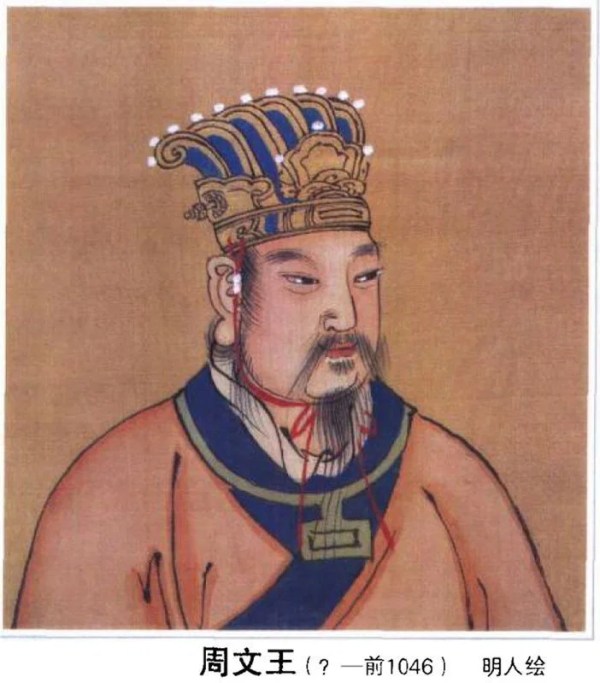
When students read histories from ancient China or medieval Europe, they often notice an unusual pattern: bad rulers bring famine, war, or chaos, while good rulers preside over prosperity and peace. Omens, portents, and celestial signs are frequently cited as evidence for success or failure. To a student trained in modern historical analysis, this can... Continue Reading →

Challenging Western Views in History Teaching

Why Some Histories Feel “False” to Us (and Why They Aren’t) When students encounter non-Western histories, their reaction is often subtle but telling: they hesitate, skim, or mentally check out because something feels “off.” Events don’t line up neatly on a timeline, details shift, or the story emphasizes lessons instead of dates. These moments aren’t... Continue Reading →

Scythians: Masters of the Steppe

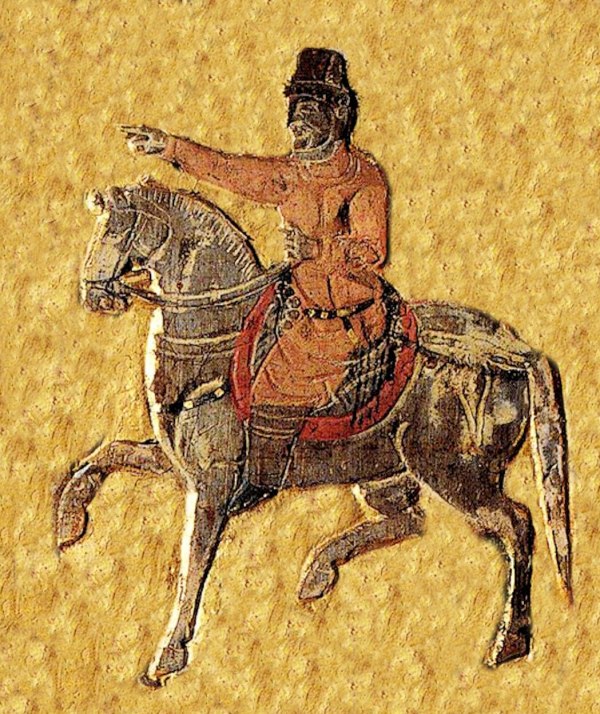
Between the Black and Caspian Seas, a group of nomadic Iranian warriors, dominated the Eurasian steppe from roughly 900 BCE to 200 CE. The Scythians were renowned for their cavalry skills. Their mobile society excelled in horseback archery, rapid raids, and strategic warfare that allowed them to control vast territories far beyond their settlements. They influenced both... Continue Reading →

The Olmecs: Mesoamerica’s Mother Culture

Often called the “mother culture” of Mesoamerica, the Olmecs (c. 1500–400 BCE) laid the groundwork for later civilizations like the Maya and Aztec. They are best known for their monumental stone heads, carved from basalt and weighing several tons, which may have represented rulers or deities. The Olmecs also built pyramids and ceremonial centers and... Continue Reading →

Blog at WordPress.com.

Up ↑