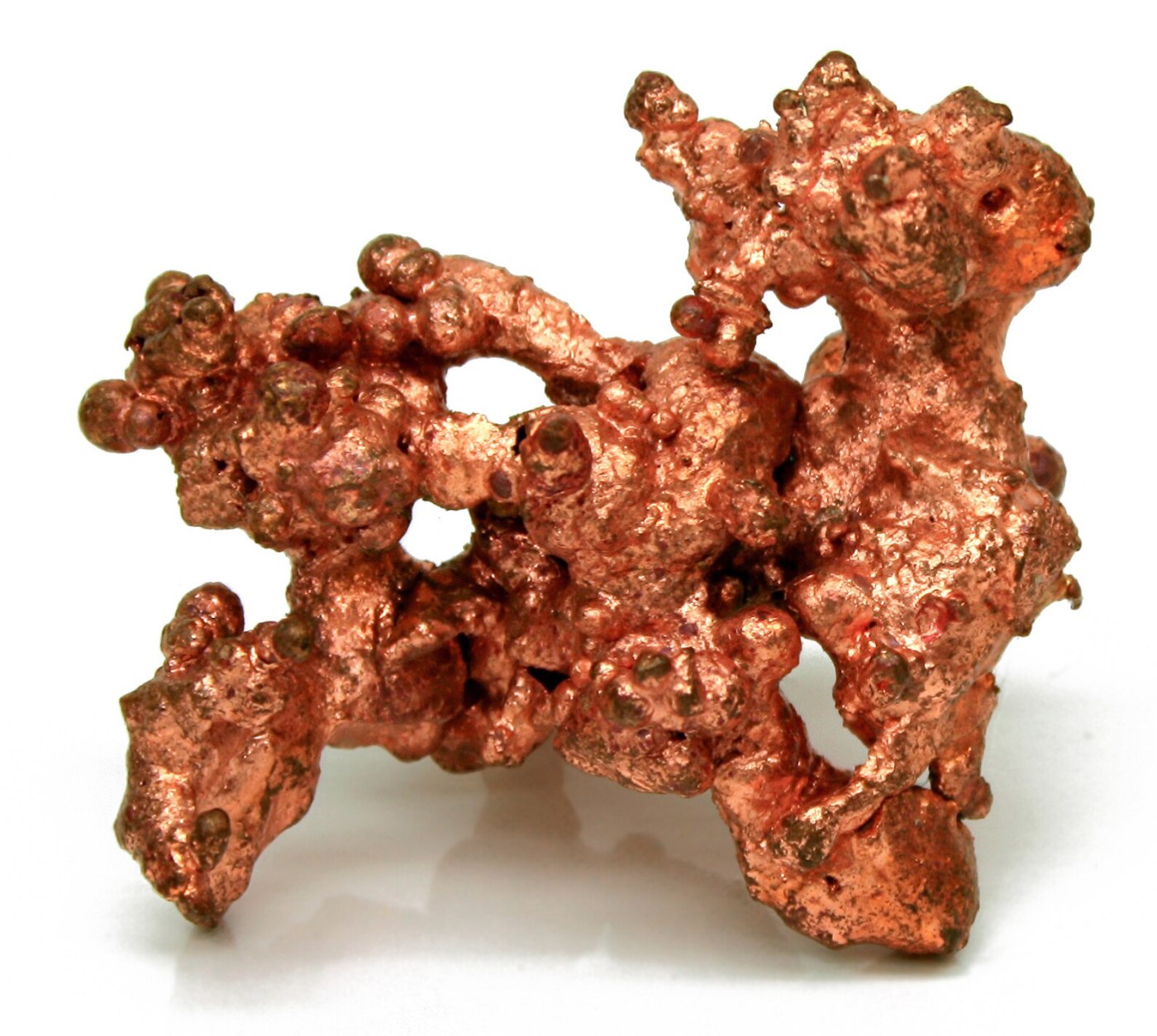
The Copper Age, also known as the Chalcolithic period, represents one of the most fascinating turning points in human history. Social studies teachers can use this era to show students how societies began moving beyond stone tools, experimenting with metal, developing trade networks, and building early urban communities. By exploring the Copper Age, students see that history is not just a series of dates. Much like today, it’s a story of innovation, social change, and interconnected civilizations. Highlighting these big-picture themes allows students to understand both the practical and cultural impacts of early metallurgy, and it gives teachers an opportunity to make history interactive and meaningful.
Why the Copper Age Matters in Your Classroom
The Copper Age is an ideal period to introduce students to cause-and-effect thinking, trade networks, and social change. Rather than focusing solely on memorization, teachers can guide students to notice patterns: how new tools might have transformed daily life, how small villages connected across long distances through trade, or how access to metal resources could create social hierarchies. You might have students compare stone tools with copper ones to see firsthand how innovation changes productivity and status. These exercises help students internalize abstract concepts while making history tangible. They also tie into the role technology has always played in our lives.
Bringing the Copper Age to Life
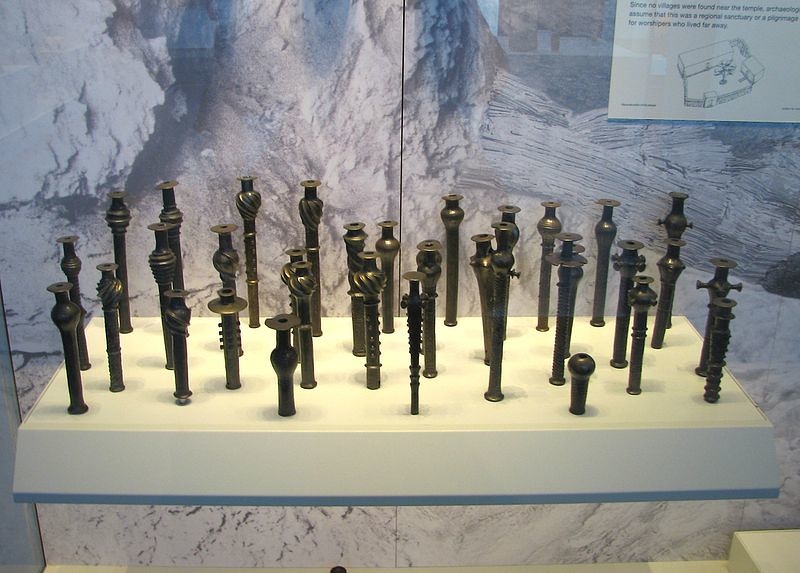
One of the most effective ways to engage students is to connect the past to familiar concepts. For example, mapping trade routes for copper, obsidian, or crafted goods allows students to visualize how geography shaped early human connections. Asking them to consider why copper might have been valued, not just as a tool but also as a symbol of wealth or spiritual significance, opens the door to critical thinking about culture, perspective, and interpretation. Teachers can further encourage pattern recognition by looking across regions: Did villages in the Near East, Anatolia, or the Indus Valley experience similar social changes when copper became available? These comparative discussions naturally highlight the cyclical and interconnected nature of history.
Even small, hands-on activities can make the Copper Age come alive. Students can examine artifact images, reconstruct simple tools, or chart the rise of settlements alongside the adoption of copper. By embedding these strategies within your lessons, you provide students with both knowledge and a framework for analyzing broader historical patterns.
Fun Fact: Copper (Cu) gets its name from the Latin cuprum, which comes from aes Cyprium meaning “metal of Cyprus,” because the island was a major source of copper in ancient times.
Why Social Studies Teachers Should Care
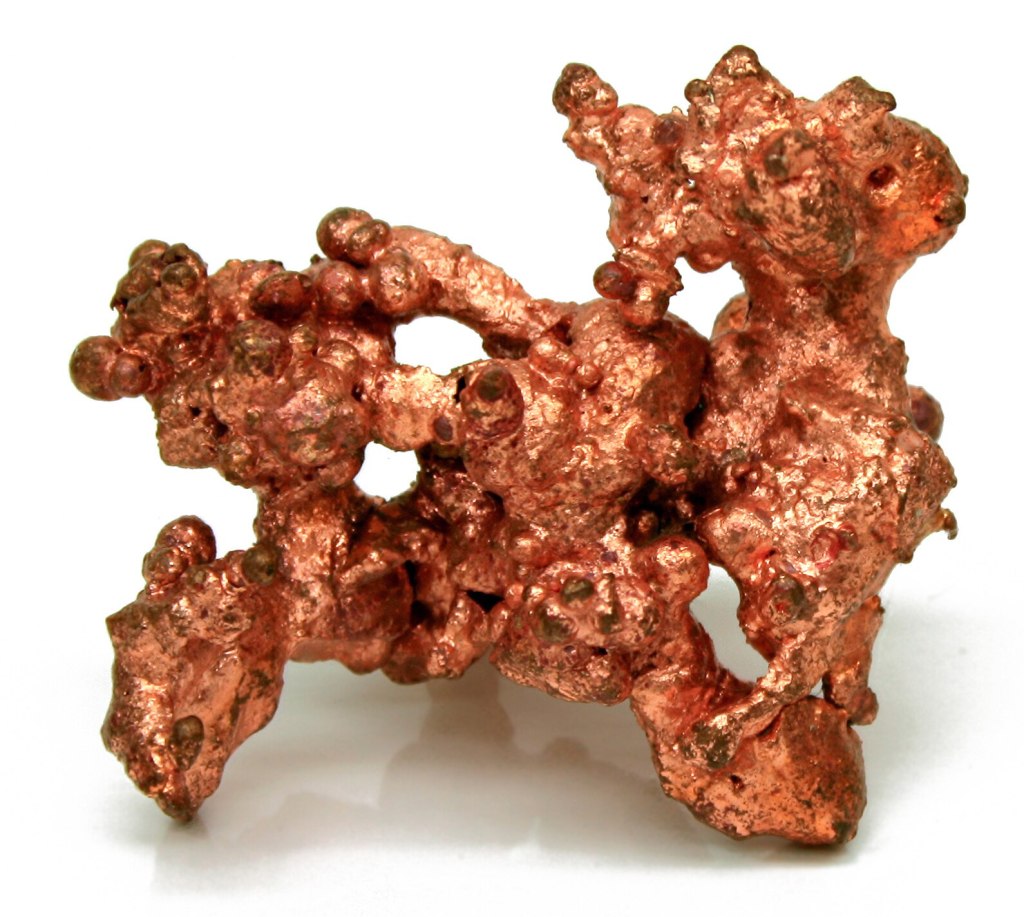
Teaching the Copper Age isn’t just about tools or dates; it’s about helping students see the broader story of human innovation and societal change. By highlighting technology, trade, and community organization, teachers encourage students to think critically about how human ingenuity drives social evolution. Integrating activities like mapping, hands-on comparisons, and discussions of cultural perspective makes history tangible, memorable, and relevant to today’s students. The period is a perfect lens through which social studies teachers can explore how innovation and human ingenuity shaped history. By bringing the Copper Age to life in the classroom, teachers help students connect past innovations to present challenges, fostering curiosity, insight, and a deeper appreciation for the diversity of human experience.
Recommended Reading
Copper: A metal for the ages – Copper’s early use shaped societies, trade, and technological development in human history.
Ryan Wagoner
The Lyceum of History
“I am indebted to my father for living, but to my teacher for living well.” — Alexander the Great
Follow me on: Blog | TpT | YouTube | X | Instagram | Facebook



Leave a Reply