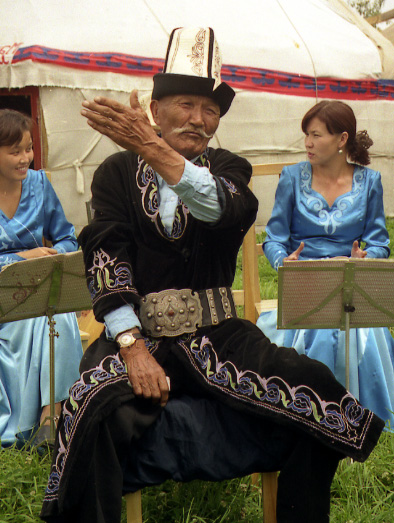
Before we were literate, we were listeners and tellers of tales. Have you ever listened to two eyewitnesses describe the same event, yet tell very different stories? We may feel unsure or even suspicious, but we rarely ignore one account without trying to understand it. This same reaction often happens when students encounter African, Native American, Asian, etc. oral traditions in social studies class. Students notice that a single historical event can have multiple versions, each with different details, emphases, or characters. From a Western historical perspective, where accuracy is often measured by consistency, these differences may appear as contradictions or errors. For social studies teachers, however, oral traditions provide a valuable teaching opportunity to explore cultural perspectives, historical memory, and how societies use storytelling to preserve history, reinforce values, and explain the past beyond written records.
Embracing Contradiction in History
We are exposed to so called contradictions in our own stories. One relative remembers a great-grandparent as strict and disciplined, while another remembers them as protective and loving. Each version reflects personal experience and values. Neither is wrong, just different.

In many oral traditions, the goal of telling a story is to communicate values, reinforce social cohesion, or highlight moral lessons. Each storyteller may emphasize different aspects depending on the audience, context, or purpose. Unlike written Western accounts, there is often no effort to reconcile discrepancies. Teachers can help students grasp this concept by asking them to consider modern examples: have they ever read different newspaper articles about the same event? This can be especially true of political people and events. Each account may focus on different facts, sources, or angles, yet none are “wrong.” Similarly, multiple oral versions of a story can coexist, each serving a unique function in the community.
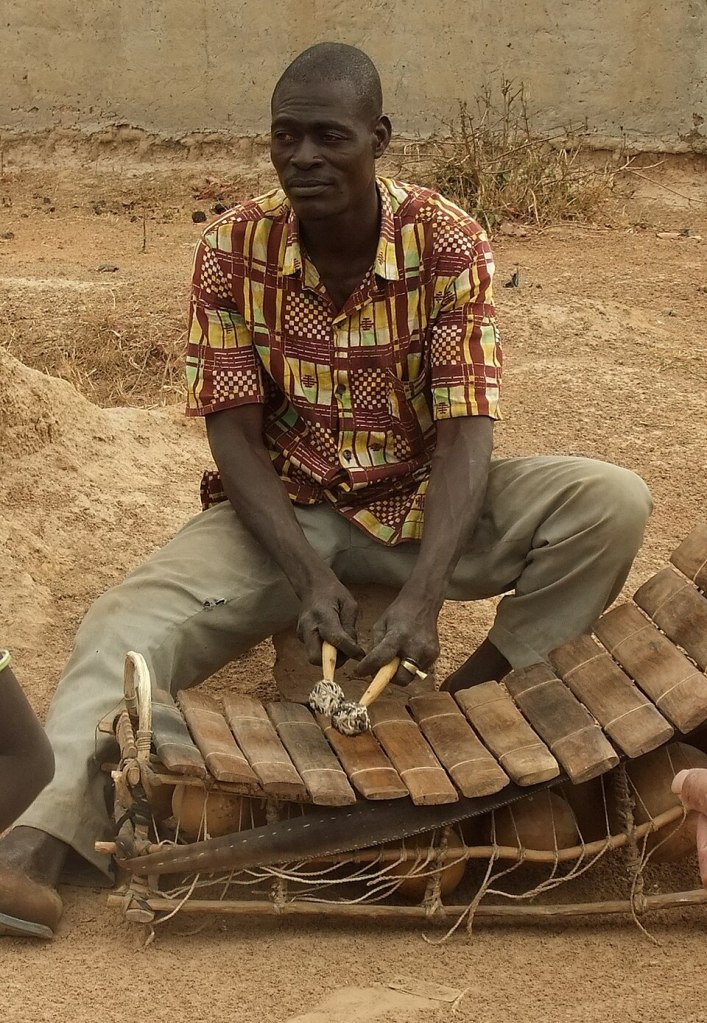
Framing the discussion this way allows students to see that contradictions are not failures. They are features of a system designed to teach, connect, and preserve meaning across generations. A classroom activity could involve presenting two versions of a single oral story and asking students to identify the different emphases or lessons in each telling. Then, they could compare those findings to contemporary media coverage of a single event, drawing parallels between storytelling choices across time and culture.
Understanding Purpose in Oral Traditions
Oral histories often encode wisdom, social norms, and historical memory in ways that written records do not. By highlighting purpose over precision, teachers can encourage students to think critically about sources, context, and intended audiences. For example, a Native American story about a battle might highlight bravery and cooperation, while an African folktale about a migration might emphasize resilience and kinship. Both versions recount “the same” past, yet each communicates distinct lessons appropriate to its cultural context.
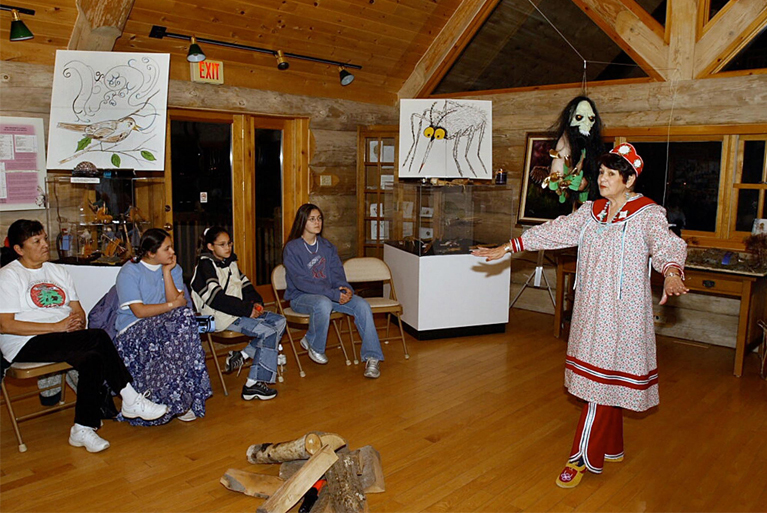
This approach also helps students build important social studies skills: evaluating perspective, considering context, and understanding that history is often as much about meaning as it is about events. It gives students a chance to see the importance in evaluating primary sources, focusing on author’s intent, rather than just on the content itself.
Teaching Tip: Seeing History as Multi-Dimensional
By introducing students to oral traditions that allow multiple truths to coexist, teachers help them recognize that history is not always linear or singular. Contradictions can reveal cultural priorities, social needs, and moral lessons that Western expectations often overlook. Asking students to compare oral traditions to newspaper coverage or eyewitness accounts today provides an accessible bridge, making the concept of multiple truths tangible and relatable.
Ultimately, exploring oral histories in this way teaches students that history is a dynamic conversation, not a static record. It encourages them to appreciate how communities remember, teach, and live their pasts, even when different versions exist side by side. In doing so, students gain a richer, more nuanced understanding of global history and the diverse ways humans transmit knowledge across generations.
Recommended Reading
Chirp Literacy – A literacy resource that discusses how familiar stories like Cinderella have many versions in different cultures, offering a concrete comparison students can explore.
California State University – a virtual exhibit on Differing Perspectives, explains how oral histories about the same event can vary depending on personal experience.
Khan Academy YouTube video – A video activity students can watch that shows the same basic story told in different media and invites learners to notice similarities and differences.
Ryan Wagoner
The Lyceum of History
“I am indebted to my father for living, but to my teacher for living well.” — Alexander the Great
Follow me on: Blog | TpT | YouTube | X | Instagram | Facebook



Leave a Reply