Different Ways to Explain the Past
When students first encounter genealogies in the Hebrew Bible, African oral traditions, or Polynesian ancestry charts, they often react with surprise or even skepticism. Wait, some generations are missing… Why are numbers symbolic? How can one ancestor represent an entire clan? In a Western context, where family trees are expected to be precise and linear, these features can feel like mistakes or inaccuracies. But for social studies teachers, these genealogies offer a powerful lens into how cultures use history to express identity, legitimacy, and social connections rather than just biological lineage.
Genealogies as Meaning, Not Just Biology
In many traditions, genealogies are not intended to record every individual who ever lived. These choices can feel “false” to students trained to expect complete records, but the truth lies in what the genealogy communicates about belonging, authority, and social structure. The examples below illustrate that very point and can help students see the diversity in the way the world thinks about the past.
Hebrew Bible (symbolic structure)
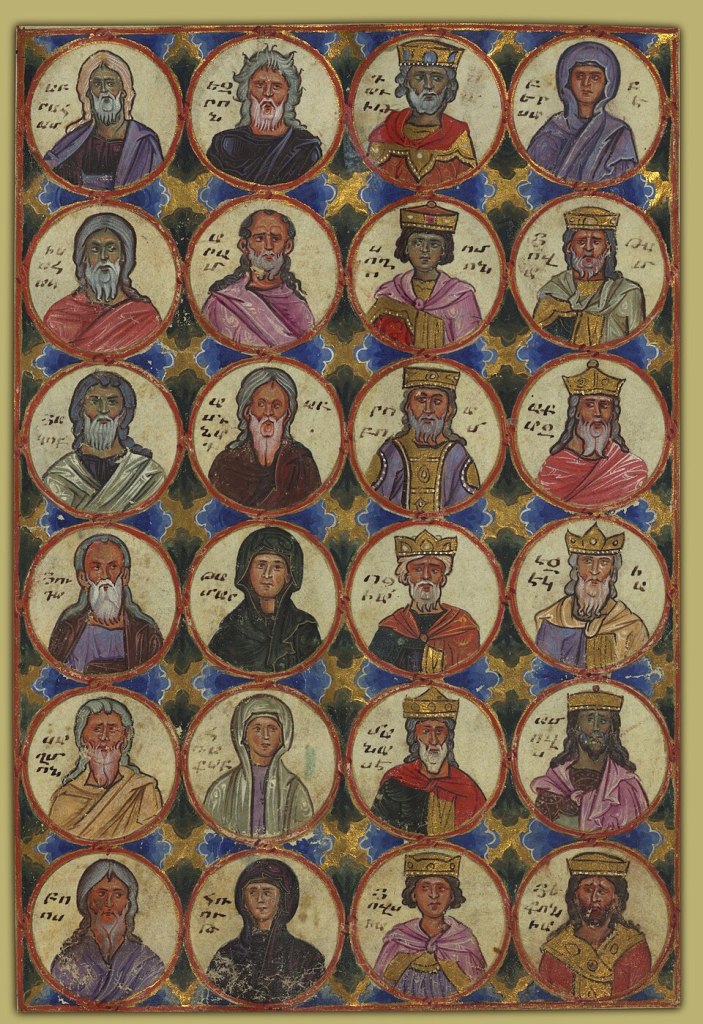
In the Gospel of Matthew, Jesus’s genealogy is deliberately arranged into three groups of fourteen generations. To make that pattern work, several known kings are left out. The genealogy is not trying to list every ancestor but to present Jesus as the rightful heir to King David. To a student expecting a complete family tree, this looks inaccurate. In its original context, the pattern itself was the message: legitimacy, fulfillment, and divine order.
African lineages (merged ancestors)
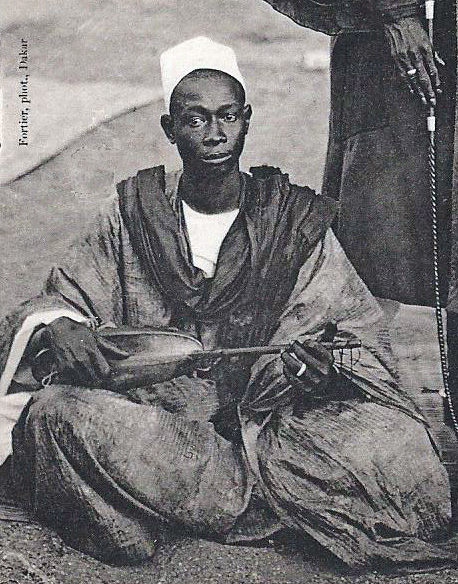
Among the Akan of West Africa, oral genealogies often treat a founding ancestor as a single figure even when that “ancestor” represents several generations of clan leaders. The genealogy preserves the memory of where the group came from and who belongs to it, not a biological record of every parent and child. To a Western reader, this can feel like missing information. To the community, it reinforces unity and shared identity. One traditional story tells of Osei Tutu, the founder of the Asante kingdom, whose ancestors are remembered not just by names, but by deeds and clan connections. The story emphasizes how his family united several clans, defended their territory, and established social order.
_cropped.jpg)
Polynesian ancestry (compressed time)
In Māori whakapapa, genealogies may list a small number of named ancestors spanning what historians know to be many centuries. These names represent key ancestors who anchor the group to land, status, and sacred origins. Time is compressed because the genealogy is meant to show relationships and responsibilities, not to measure years. What matters is connection, not chronology.
Whakapapa is still actively recited and referenced in many settings today. Māori use whakapapa when introducing themselves (for example through pepeha, which identifies a person’s ancestral mountains, rivers, and community connections), and it plays a role in cultural ceremonies, social relationships, and even in regional court and land claims. This shows that whakapapa remains a living system of history and identity rather than a static list of names.
Reading Genealogies Like Histories
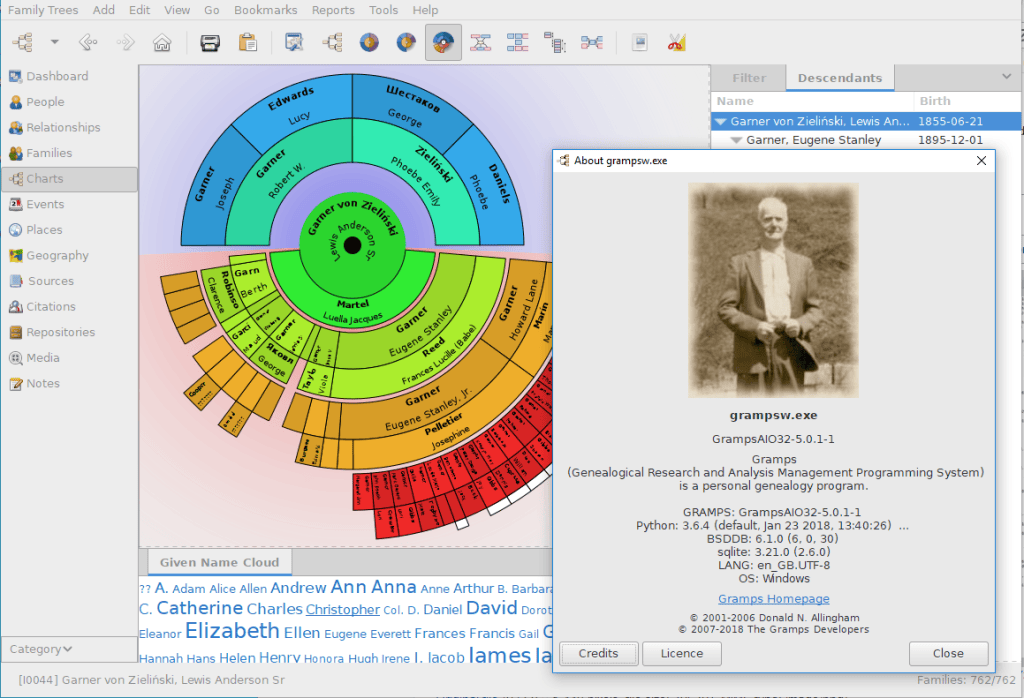
Teachers can guide students to look for patterns, themes, and legitimacy claims rather than just counting generations. Embedding these discussions naturally helps students practice historical thinking skills: analyzing sources, considering perspective, and evaluating purpose. It also opens a broader conversation about how cultural priorities shape what gets recorded and remembered. The same can be done with the genealogies of students in your classroom. Which ancestor was the first to move to the area? Which ancestor saved the family during a crisis or turning point? The options are extensive.
Why Teachers Should Include Genealogies
Understanding that genealogies often express identity and legitimacy rather than precise biology allows students to appreciate the diversity of historical thought. Teachers can frame this as a way to explore social structures, cultural memory, and the different ways societies define “truth” in history. By comparing symbolic or compressed genealogies to modern family trees, students see that history is a choice in how to tell the past, not a single objective record.
Ultimately, using genealogies in the classroom helps students understand that different cultures record and interpret the past in ways that reflect their values and priorities. Even when generations are skipped or numbers are symbolic, the genealogy is intact and meaningful, just operating on a different set of rules than Western timelines. This approach encourages students to move beyond surface accuracy and engage with history as a living, culturally shaped practice.
Recommended Reading
Griot – Wikipedia – A griot is a traditional West African oral historian, storyteller, praise singer, and genealogist.
Whakapapa – genealogy – A whakapapa shapes the Māori world view.
Historiography – Encyclopedia Britannica – An overview of the writing of history based on the critical examination of sources, the selection of particular details from the authentic materials in those sources, and the synthesis of those details into a narrative that stands the test of critical examinati
Ancient Historiography – Encyclopedia Britannica – An overview of the various methods of historiography from various cultures of antiquity.
Ryan Wagoner
The Lyceum of History
“I am indebted to my father for living, but to my teacher for living well.” — Alexander the Great
Follow me on: Blog | TpT | YouTube | X | Instagram | Facebook



Leave a Reply