After exploring cyclical and mythic timelines, symbolic genealogies, oral traditions, and histories that may feel “false” to Western-trained eyes, students often ask: What counts as real history? For social studies teachers, this capstone lesson is a powerful chance to help students synthesize everything they’ve learned about how cultures record and interpret the past. The key insight is clear and transformative: different cultures create different kinds of history based on their goals, and Western history, linear, chronological, and citation-driven, is just one approach among many. By teaching students to analyze cyclical history, oral traditions, and symbolic records alongside conventional timelines, teachers help learners develop critical thinking, appreciate diverse cultural perspectives, and understand that history is more than dates and facts. It’s a reflection of human values, priorities, and interpretation.
Different Goals, Different Histories
Across cultures, history has been shaped by a variety of purposes. Some traditions preserve meaning and moral lessons, like oral storytelling or biblical genealogies. Others highlight patterns and cycles, as in Hindu yugas or Mesoamerican calendars. Some histories exist to train rulers or maintain social order, as in ancient Chinese dynastic accounts. Even when these approaches contradict Western expectations: missing generations, multiple versions of the same event, or the rise and fall of civilizations without progress, they are coherent and functional within their cultural context.
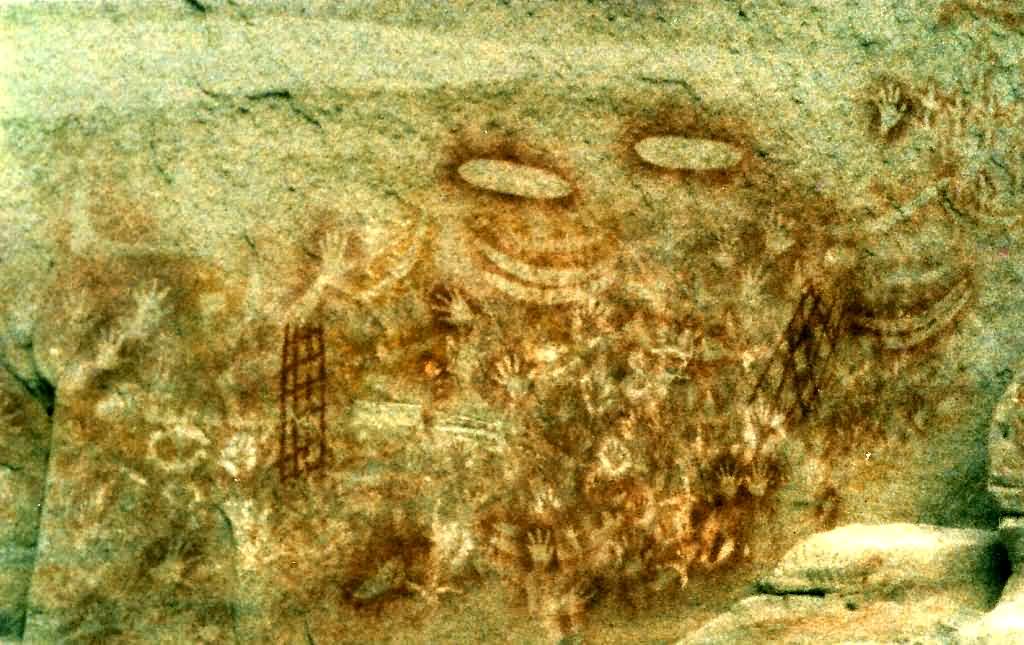
Teachers can illustrate this by having students revisit examples from previous lessons and identify the goal behind each type of history. This helps students see that accuracy, linearity, or consistency are not universal measures of truth, but tools chosen to solve particular problems. By looking at different ways of viewing the past side by side, students can gain a better appreciation of what it means to be human.
Western History as a Specialized Lens
One powerful classroom conversation is to reflect on Western historical methods themselves. Students often assume that timelines, footnotes, and chronological ordering are neutral or objective. Asking them to compare these methods with non-Western traditions reveals that Western history is just one approach, optimized for tracking events, legal systems, and administrative continuity, rather than moral guidance, cyclical understanding, or social cohesion. Embedding this reflection in discussion helps students recognize the cultural specificity of the tools they’ve been trained to trust. Again, it’s not that one system is better than another. It’s about stepping outside of your comfort zone to experience the world in a different lens.
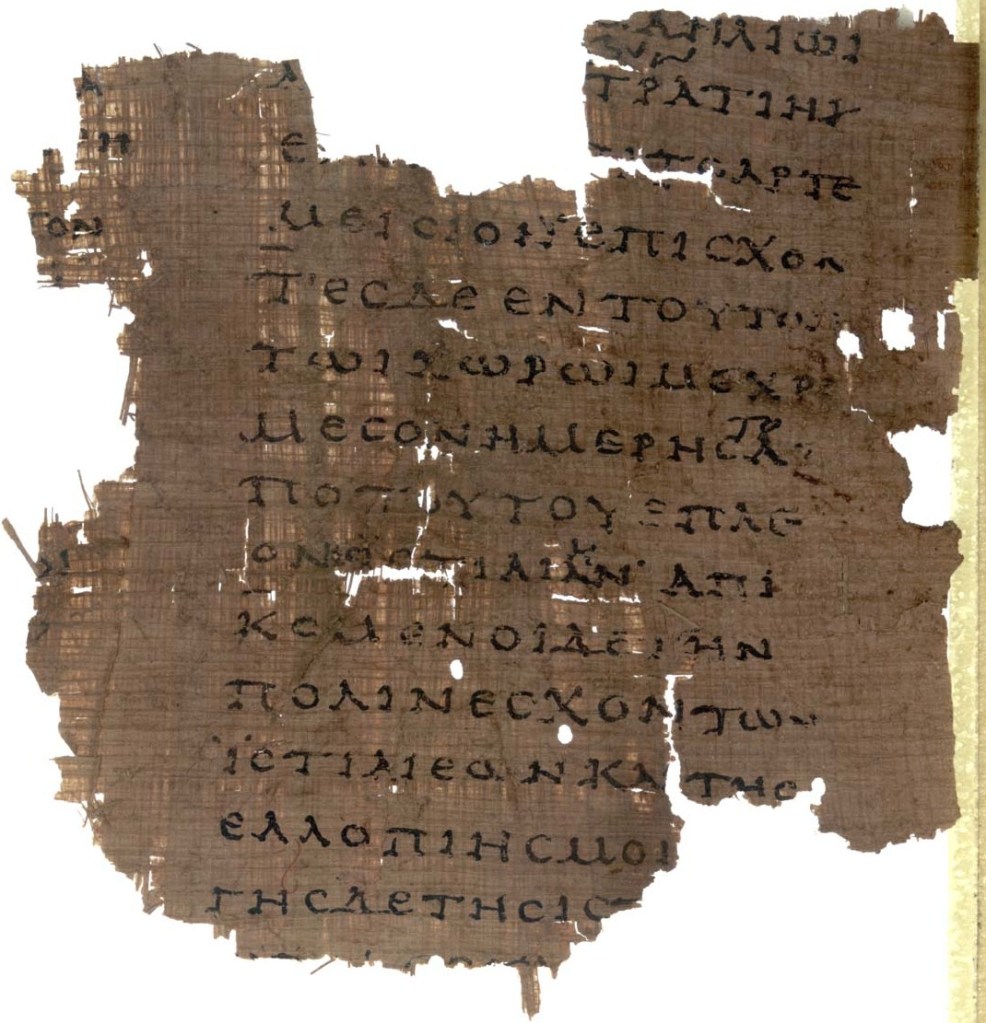
Teaching Tip: Ask the Right Question
The capstone classroom move is deceptively simple but transformative: teach students to ask, “What problem was this culture using history to solve?” By focusing on purpose rather than surface accuracy, students gain insight into why histories look different across time and place. For example, a biblical genealogy emphasizes identity and legitimacy; a Dreamtime story explains the natural world and community ethics; a dynastic Chinese account guides rulers through moral lessons; Mesoamerican interlocking calendars tracked cycles from the seasons to cosmic events. In each case, history is fully functional, even if it violates Western expectations.
Why This Matters for Teaching World History
When students understand that “real” history is defined by purpose as much as by events, they gain historical empathy, critical thinking, and analytical flexibility. They learn to read sources for meaning, context, and intent, rather than simply cross-checking facts. This approach equips students to engage thoughtfully with diverse global histories, recognize patterns across cultures, and appreciate the richness of human memory and record-keeping. It can show how something isn’t “false” simply because it doesn’t use the same methods as expected by the viewer.
By concluding your unit with this capstone perspective, teachers can help students integrate everything they’ve learned about mythic pasts, genealogies, oral traditions, cyclical time, and moral histories. Students leave the classroom with a crucial skill: the ability to approach any history, not just Western history, with curiosity, context, and the right questions. In short, they learn that history is not one story, but many, each designed to solve the problems of its people.
Recommended Reading
Perspectives on History — A hub of resources and articles for professional historians and history educators.
Teaching Historical Thinking — Tools and resources for engaging students in why historians use timelines, causation, sourcing, etc.
National Council for the Social Studies — What is History? Frameworks and guides for teaching history as a discipline, including historical thinking skills.
Ryan Wagoner
The Lyceum of History
“I am indebted to my father for living, but to my teacher for living well.” — Alexander the Great
Follow me on: Blog | TpT | YouTube | X | Instagram | Facebook



Leave a Reply