Language Revival: More Than Words
When a language is labeled “endangered,” many people assume its story is already over. In reality, decline does not always mean disappearance. With deliberate schooling, grassroots activism, and government backing, some languages have managed to regain real ground and come back to life, so to speak. Welsh and Irish are strong examples of what might be called partial or moderate revivals: speaker numbers have increased, visibility has grown, and cultural pride has strengthened, even though everyday conversational use is still limited. For social studies classrooms, these languages open the door to meaningful discussions about nationalism, education policy, and the real-world obstacles of keeping a language alive in a globalized society.
Welsh: Structured Support and Growing Visibility
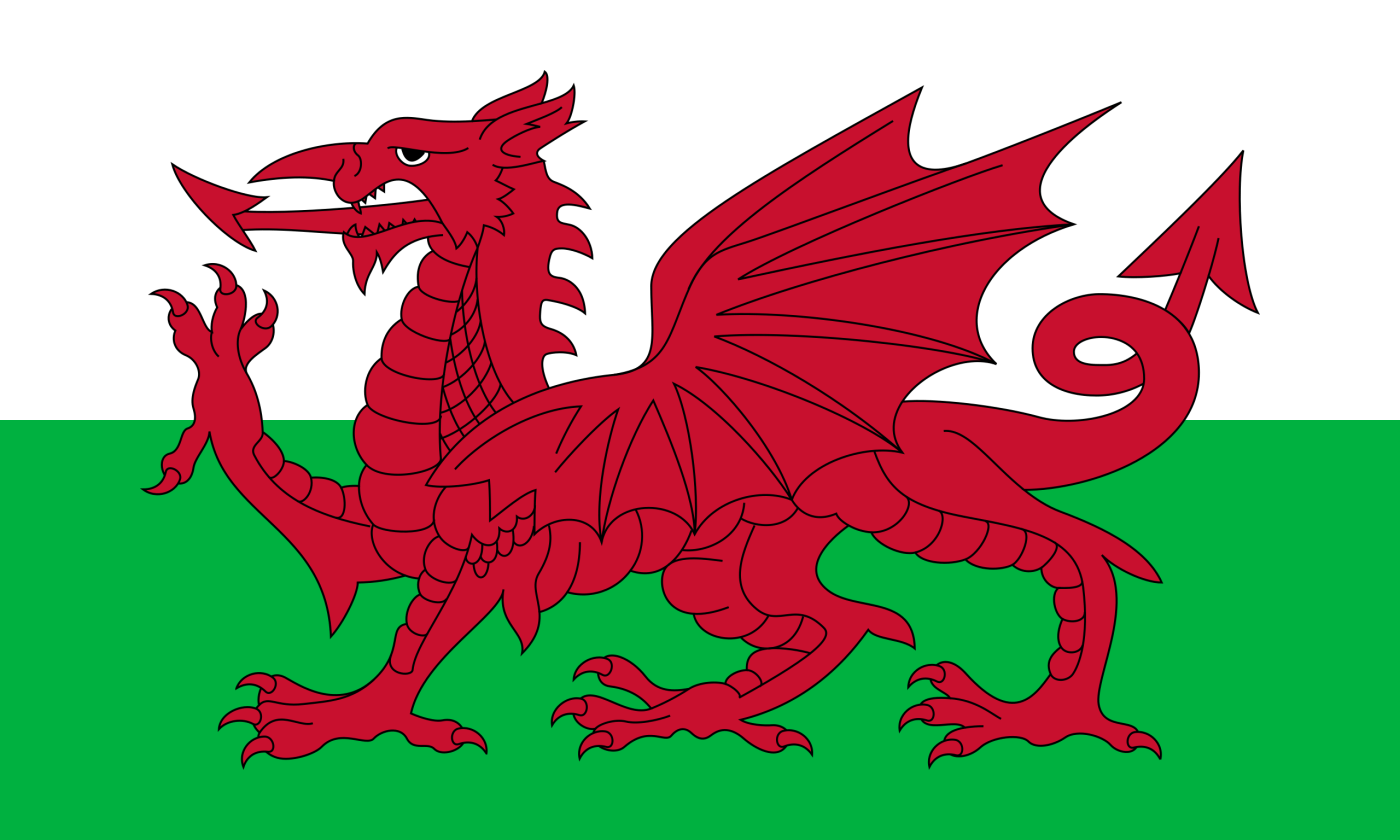
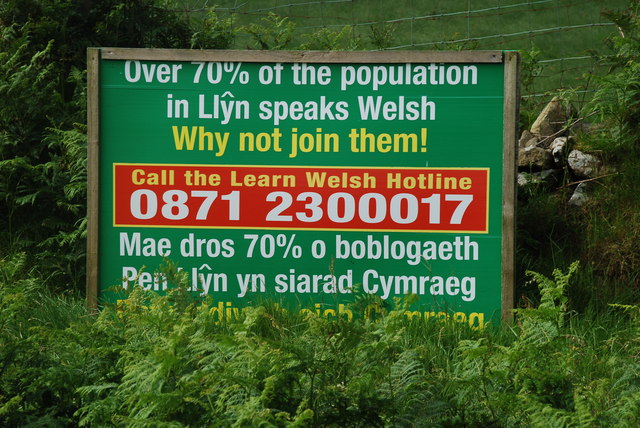
Wales provides an example of revival through legal frameworks and media. It’s considered the least endangered Celtic language by UNESCO. Welsh is taught in schools across the country, backed by government policies like the Welsh Language Act, which ensures the language is used in public institutions. Media support on TV channels, radio stations, online content, etc. reinforces exposure, helping learners practice beyond the classroom. In many towns and rural areas, children grow up bilingual, and Welsh is a living part of public life. This invites student discussion on various fronts: the visibility of a language, laws, and media coverage and how these all factor together.

Irish: Revival Efforts and Social Resistance
Ireland tells a more complex story. Irish is taught in schools nationwide, but mixed enforcement and resistance in urban areas, especially Dublin, limit its everyday use. While there are media outlets and apps promoting Irish, the language often remains symbolic rather than practical. Many who can understand or speak Irish do so mainly within educational contexts, and only a minority use it as their primary language day-to-day. The challenge remains a long-term challenge that depends on stronger family transmission, more immersion opportunities, and policy implementation that goes beyond the classroom. This partial revival highlights how education and policy are necessary but not always sufficient for daily adoption.

Key Lessons for Teachers
Both Welsh and Irish show that revival is rarely all-or-nothing. Welsh demonstrates how structured legal and media support can boost visibility, while Irish underscores the limits of policy without widespread cultural adoption. These examples allow students to explore the role of language in national identity and cultural memory. As social studies teachers, we can guide discussions about the social, political, and educational challenges of preserving a linguistic heritage. It can also open up numerous other activities: map language use and signage in different regions, design “revival projects” where students imagine strategies to increase daily use, and analyze government policy and media influence on minority language adoption.
Both languages survived Latin, Norse, Norman French, and especially English. Even partial revival is worth celebrating. Welsh and Irish remind students that language is a living expression of culture, and sustaining it requires more than rules. It requires people, community, and commitment.
Recommended Reading
Learn Welsh — A fully free site with structured Welsh lessons, interactive games, and quizzes across beginner to intermediate topics
Learn Irish — Similar to Learn Welsh, this site offers free beginner to intermediate Irish lessons with games and quizzes
Cymraeg 2050 — Welsh language strategy action plan 2024 to 2025
Ryan Wagoner
The Lyceum of History
“I am indebted to my father for living, but to my teacher for living well.” — Alexander the Great
Follow me on: Blog | TpT | YouTube | X | Instagram | Facebook



Leave a Reply