Introduction
The Battle of the Milvian Bridge on October 28, 312 CE was more than a clash between rival Roman emperors. It was a moment that reshaped the Roman Empire, altered the rise of Christianity, and forever changed the religious and political landscape of Europe. Fought between Constantine I and Maxentius at the Milvian Bridge north of Rome, this battle ended one era and ushered in another.
A Clash of Caesars
In the early fourth century, the Roman Empire was fractured by dynastic rivalries. They had formed after the Tetrarchy that emperor Diocletian had established the previous century. It created a system of “rule by four” that helped end the crisis of the third century. While it initially stabilized the empire, it ultimately collapsed into civil war.
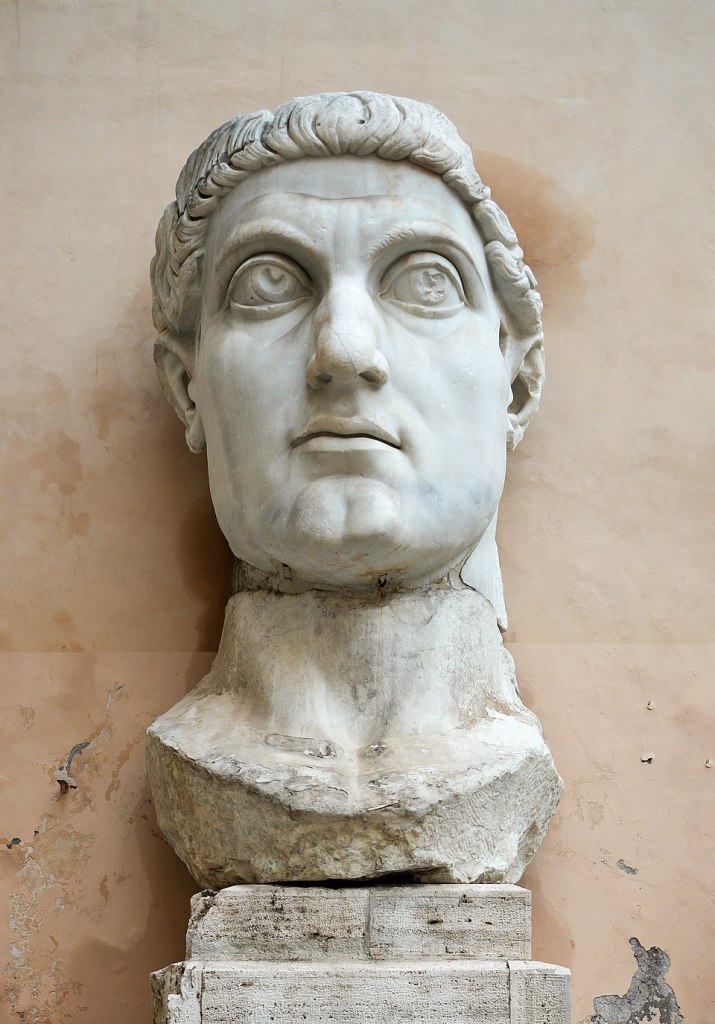
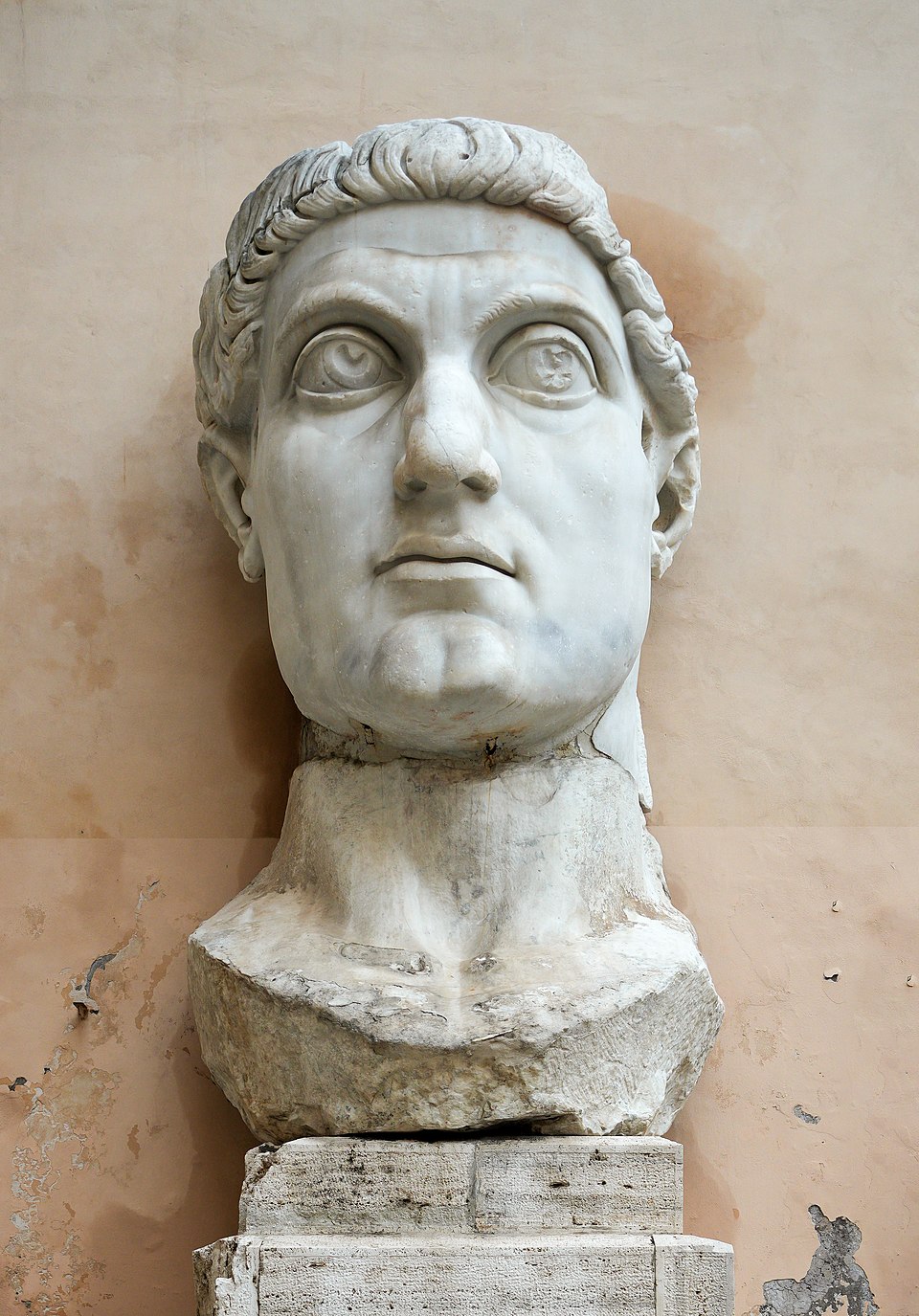
The two men vying for power were Constantine I, a skilled military leader who controlled Gaul and Britain, and Maxentius, a rival based in Rome whom many saw as a usurper. The Milvian Bridge, a key crossing over the Tiber River just north of Rome, became the stage for their confrontation. Maxentius, trying to block Constantine’s approach, fortified the bridge and prepared to defend the city. But Constantine, marching with his army through northern Italy and on towards Rome.
As social studies teachers, it’s easy to focus on the Pax Romana and skip ahead to the fall of Rome. These in-between events provide students with critical context clues to understand the dynamics of the rise and fall of civilizations.
How the Battle was Fought
According to ancient Christian chroniclers, on the eve of battle Constantine saw a vision. In his vision he saw the Greek letters chi and rho and heard the promise of victory with this sign. Those letters are the first two of the word Christos, from where we get Christ. Motivated by this vision, he ordered his soldiers to mark their shields with these letters.
“Directed in a dream to mark the heavenly sign of God on his soldiers’ shields, Constantine obeyed, and on the following day, with the army thus protected, he fought Maxentius and defeated him, who perished in the river during the retreat.” — Lactantius, De Mortibus Persecutorum, Ch. 44
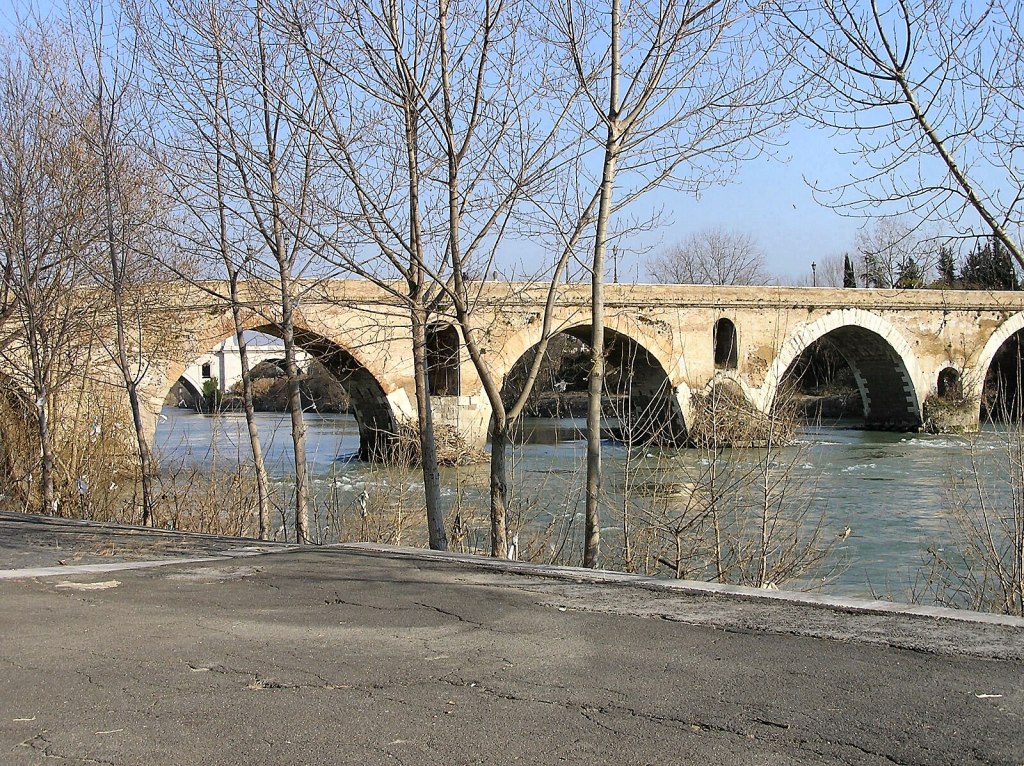
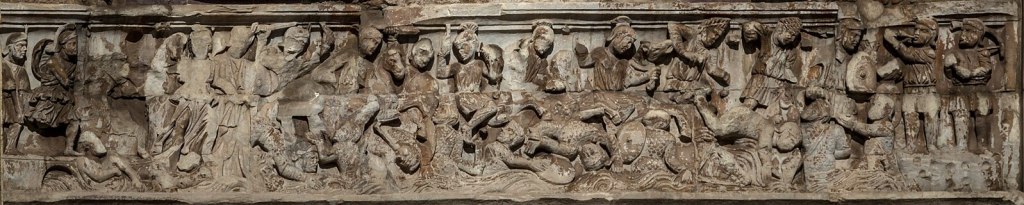
When the two armies met on October 28, Constantine’s forces proved more effective. Maxentius’s troops were pushed back toward the Tiber and when a temporary pontoon bridge collapsed under the weight of the retreating army, many soldiers drowned. Maxentius himself met his end in the river, either drowned or thrown from his horse in the chaos.
Victory and Immediate Aftermath
With Maxentius gone, Constantine entered Rome in triumph the next day and secured control over the western half of the empire (it would be another 12 years before he became sole emperor of both halves of the empire). He declined the traditional pagan sacrifice at the Temple of Jupiter, a symbolic indication that something fundamental had shifted.
Why the Battle Matters: History’s Turning Point
The Battle of the Milvian Bridge matters not just as a military victory, but as a catalyst for dramatic cultural and religious transformation. Whether or not the vision actually occurred is besides the point. Constantine’s belief that the Christian God had favored his campaign led him to change imperial policy.
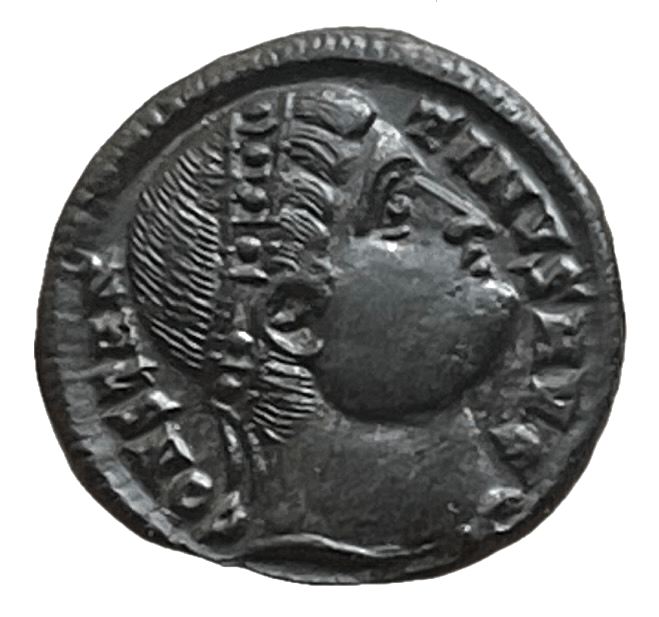
In 313 CE, just months after his triumph, Constantine and his co‑emperor Licinius issued the Edict of Milan, granting religious tolerance throughout the Roman Empire and ended the official persecution of Christians. Christians could now freely meet and had imperial favor. Soon the empire began building basilicas, Christians were appointed to high offices, and in 380 CE, Nicene Christianity became the official religion of the empire.
Teaching Through Milvian Bridge
The Battle of Milvian Bridge helps students understand how leadership decisions and personal faith can influence policy. Was Constantine’s conversion purely religious or entirely political? The answer most likely is both. It provides the opportunity to highlight how various worldviews impact decision making and change the trajectory of empires. After the dust of battle had settled, no one could’ve envisioned the ripple effects it would create that still share our world today.
Recommended Resources
Battle of the Milvian Bridge — Encyclopaedia Britannica
History Today: Battle of the Milvian Bridge
Lactantius — De mortibus persecutorum — One of the earliest surviving Latin accounts
Ryan Wagoner
The Lyceum of History
“I am indebted to my father for living, but to my teacher for living well.” — Alexander the Great
Follow me on: Blog | TpT | YouTube | X | Instagram | Facebook



Leave a Reply