Survival Against Suppression
When a language has only a handful of speakers left, it can feel as though its story is already over. Yet the cases of Scottish Gaelic and Ainu prove that survival is possible even under intense historical pressure. Both languages endured centuries of active suppression. These histories provide rich material for classroom discussion, allowing students to explore how government policies and societal pressures can shape cultural survival. Teachers can engage students in debates comparing the historical suppression of Gaelic and Ainu, helping them understand the broader social and political forces that endanger languages.

Historical Marginalization of Gaelic and Ainu
In Scotland, Gaelic was marginalized through English-dominated schools, the legal system, and social policies that discouraged its use. Today, both languages survive in fragile ways. Scottish Gaelic is still spoken in parts of the Highlands and the Western Isles, but most people encounter it through school programs, media broadcasts, and cultural events rather than everyday conversation.

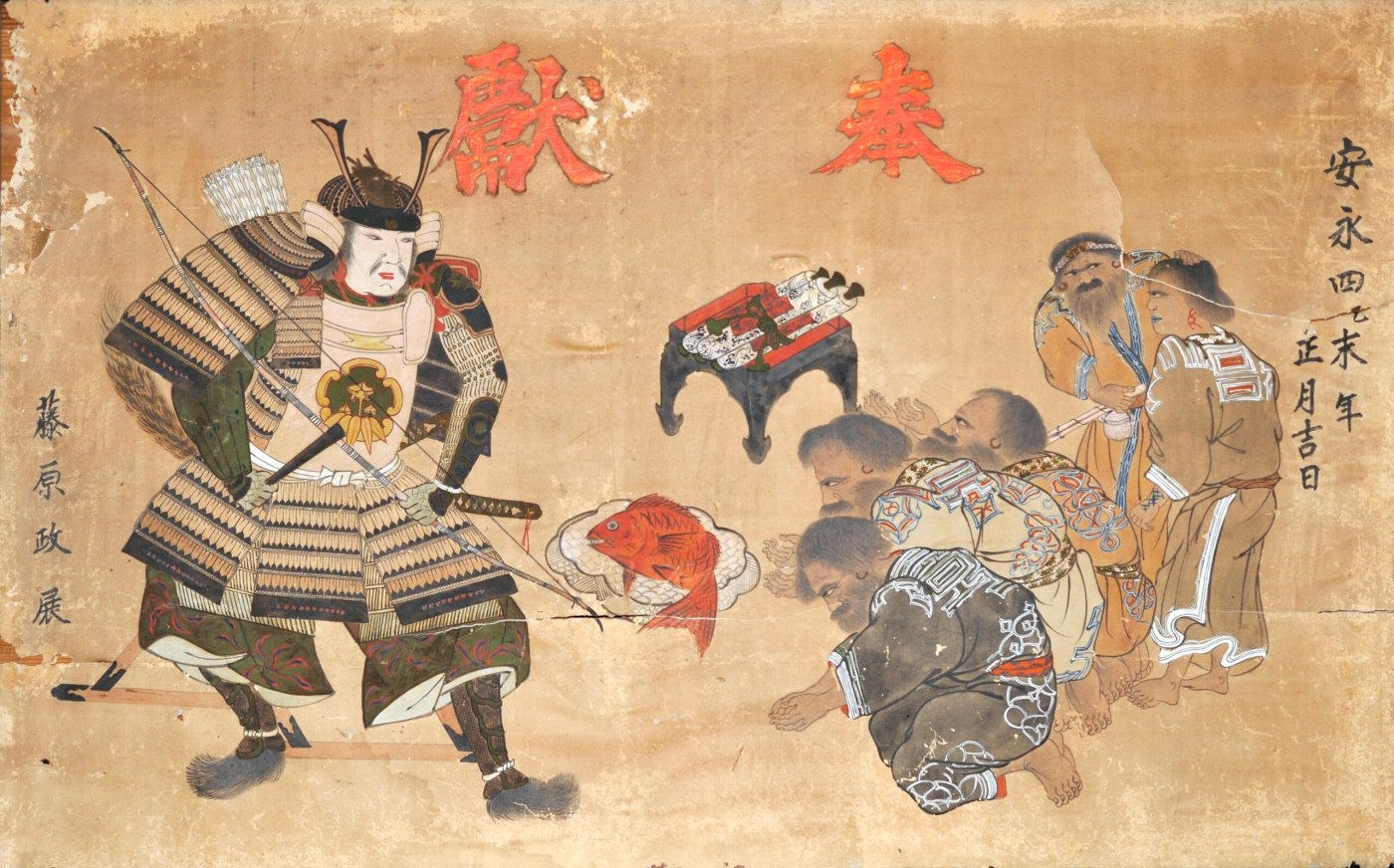
In Japan, Ainu speakers were forbidden to practice their customs or pass the language to children, forcing generations into assimilation. The Ainu are an Indigenous people originally from northern Japan. Today, with fewer than a thousand fluent speakers, Ainu exists largely through cultural revival programs, language workshops, and museum exhibits, with daily spoken use extremely limited.

Classroom Connections and Language Learning
In the classroom, educators can introduce students to Gaelic or Ainu phrases, folk songs, or storytelling traditions, connecting students directly with the experiences of native speakers. Even teaching a few greetings or traditional words can illustrate how language carries culture, identity, and history, making abstract concepts like “revival” tangible for learners.

These examples also highlight the delicate nature of language revitalization. Students can investigate how media exposure, school instruction, and community engagement affect whether a language survives. For instance, Scottish Gaelic television programs or Ainu language workshops demonstrate practical ways communities try to maintain daily use and cultural presence. Assigning research projects on Gaelic music or Ainu crafts allows students to see how language intersects with traditions, while also reflecting on the challenges of sustaining a minority language. By embedding these cultural elements into lessons, teachers help students appreciate the connection between language, identity, and heritage. The best part, we have the technology to explore the world’s languages like never before through videos, stories, etc.
Lessons in Resilience
Ultimately, Scottish Gaelic and Ainu serve as cautionary tales for anyone interested in language revival. They show that even after centuries of suppression, a language can survive, but true revitalization requires intergenerational transmission, consistent educational support, and broad community involvement. For students, examining these languages in the classroom is not just a history lesson. It is a chance to understand resilience, cultural preservation, and the real-world challenges facing the world’s most endangered languages.
Linguists estimate that of the roughly 7,000 languages spoken in the world today, about 40–50% are endangered. That means around 2,800–3,500 languages are at risk of disappearing within the next century if current trends continue. Awareness of a problem is the first step toward solving it and what better place to do so than in the social studies classroom?
Recommended Reading
Endangered Languages Project — A global platform documenting and supporting endangered languages with resources for communities, educators, and researchers.
First Voices — A platform supporting community language documentation and learning tools for Indigenous languages.
Pangloss Collection — A free digital library of audio recordings and transcriptions from endangered languages around the world
Ryan Wagoner
The Lyceum of History
“I am indebted to my father for living, but to my teacher for living well.” — Alexander the Great
Follow me on: Blog | TpT | YouTube | X | Instagram | Facebook



 Lyceum of History
Leave a comment