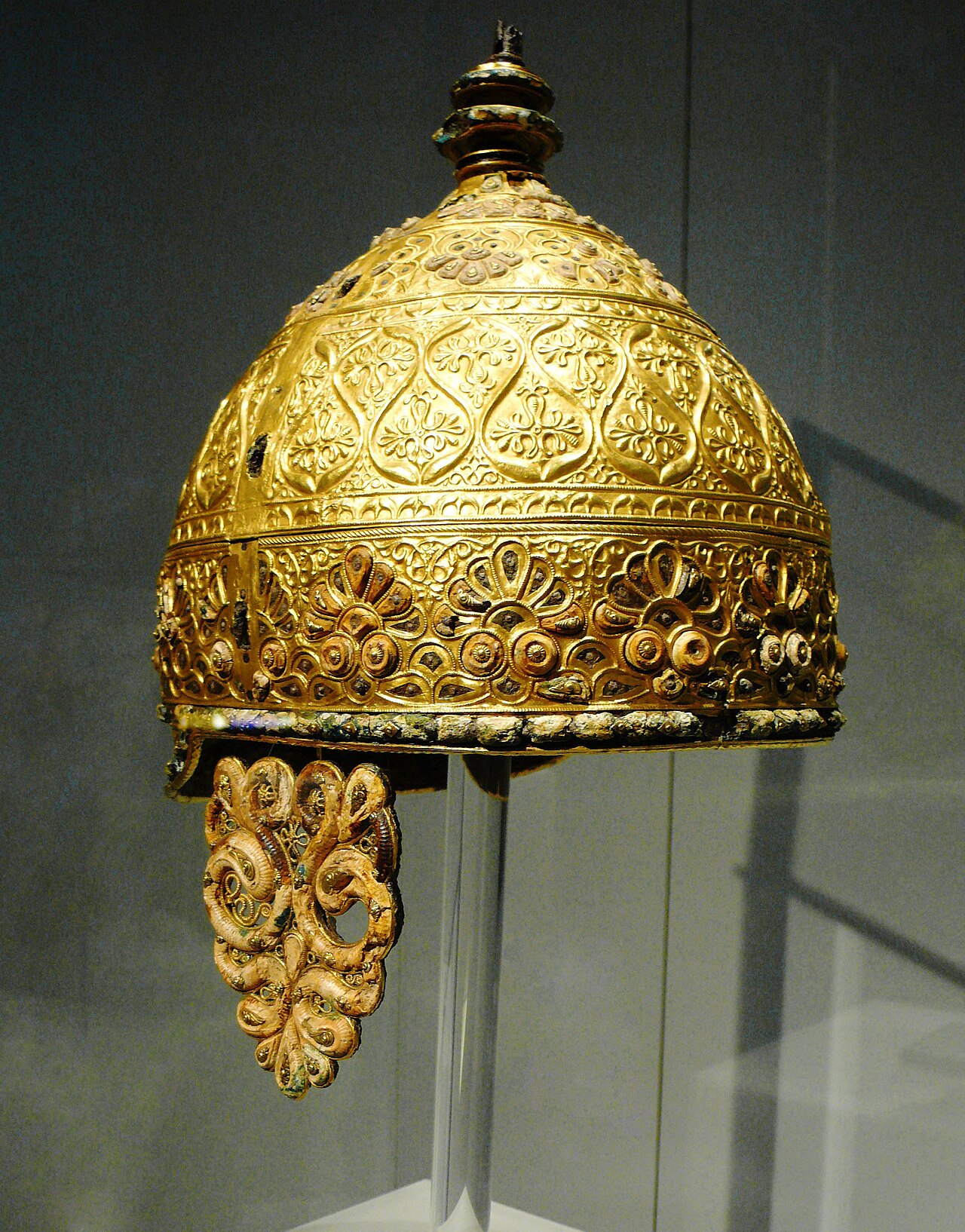
Celtic Europe: Hillforts, Iron, and Tribal Life
Agriculture and Settlements
In Celtic Europe, from around 800 to 100 BCE, iron changed the way people lived, farmed, and organized their communities. Across Gaul, Britain, and central Europe, villages used iron plows and axes to clear forests and farm heavy soils. This made it possible to grow more food and support larger populations.
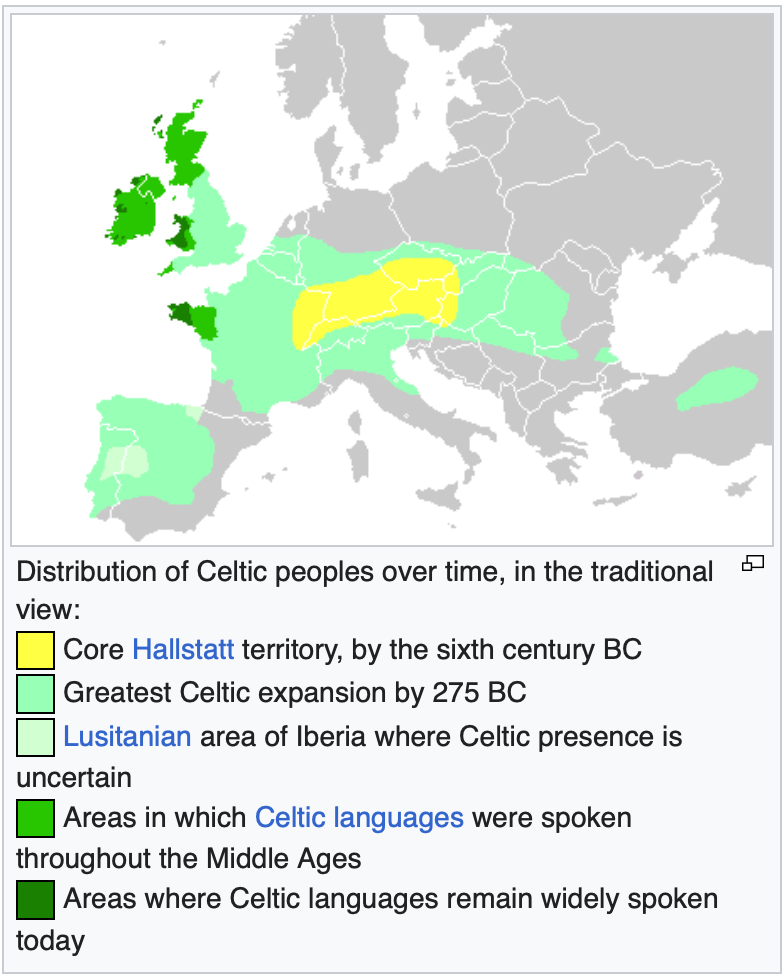
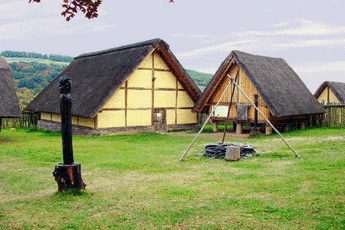
Villages like Bibracte in Gaul and Danebury in southern Britain expanded into fortified settlements, showing how iron tools allowed communities to move from small, seasonal villages to permanent, organized settlements. Teachers can use maps of these hillforts to help students see how geography and technology shaped daily life.
Warfare and Social Structure
Iron also reshaped warfare. Long swords, spearheads, and iron-tipped arrows gave Celtic warriors a real advantage in defending territory and expanding influence. Instead of kings ruling from palaces, communities were often organized around hillforts and collective defense, with leadership shared among local families and tribal groups. This is a great opportunity for students to explore cause-and-effect: how better tools led to bigger harvests, stronger armies, and more complex societies.
Craftsmanship and Trade
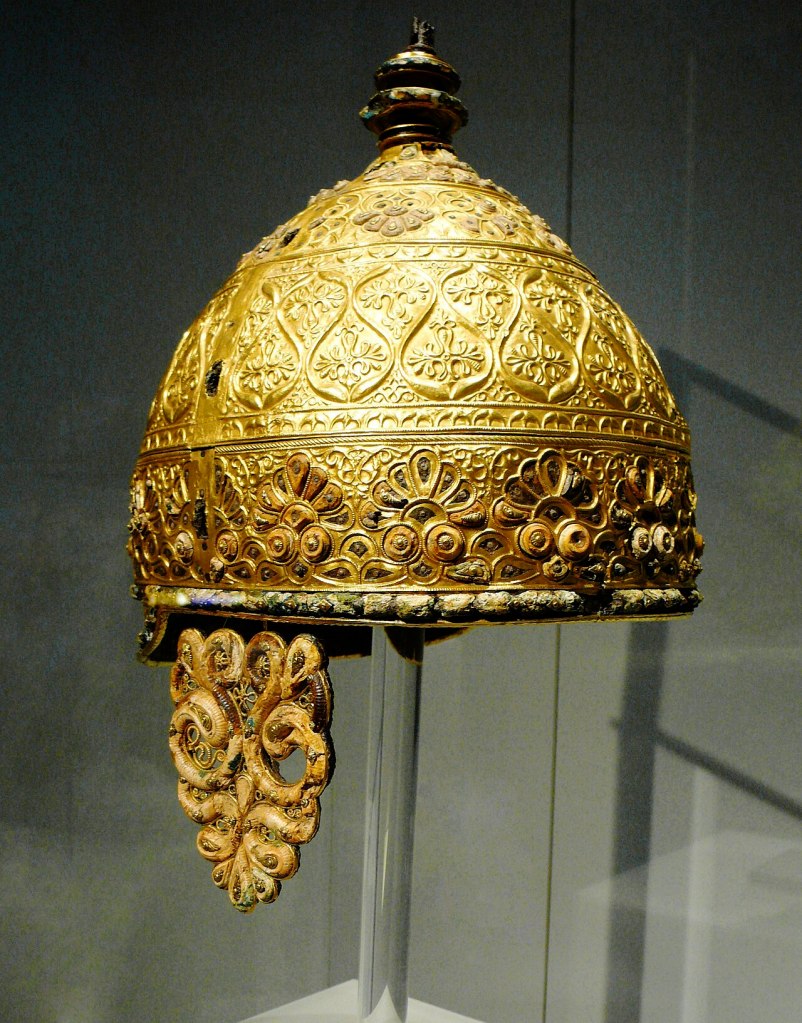
Celtic craftsmanship and trade were important too. Decorative iron weapons, ceremonial tools, and jewelry signaled prestige and connected distant tribes through trade. These innovations influenced later societies, including the Romans, and even helped shape some modern ideas about farming, metalworking, and community organization. Teachers can have students examine images of Celtic artifacts to think about culture, identity, and technology in everyday life.
Greece: Hoplites, City-States, and Iron
Military Technology and Political Power
In Greece, from roughly 900 to 300 BCE, iron transformed warfare, politics, and daily life. Dorians and Aeolians migrated from northern and central Greece, spreading iron technology, shaping settlements, and influencing trade, dialects, and early political systems.
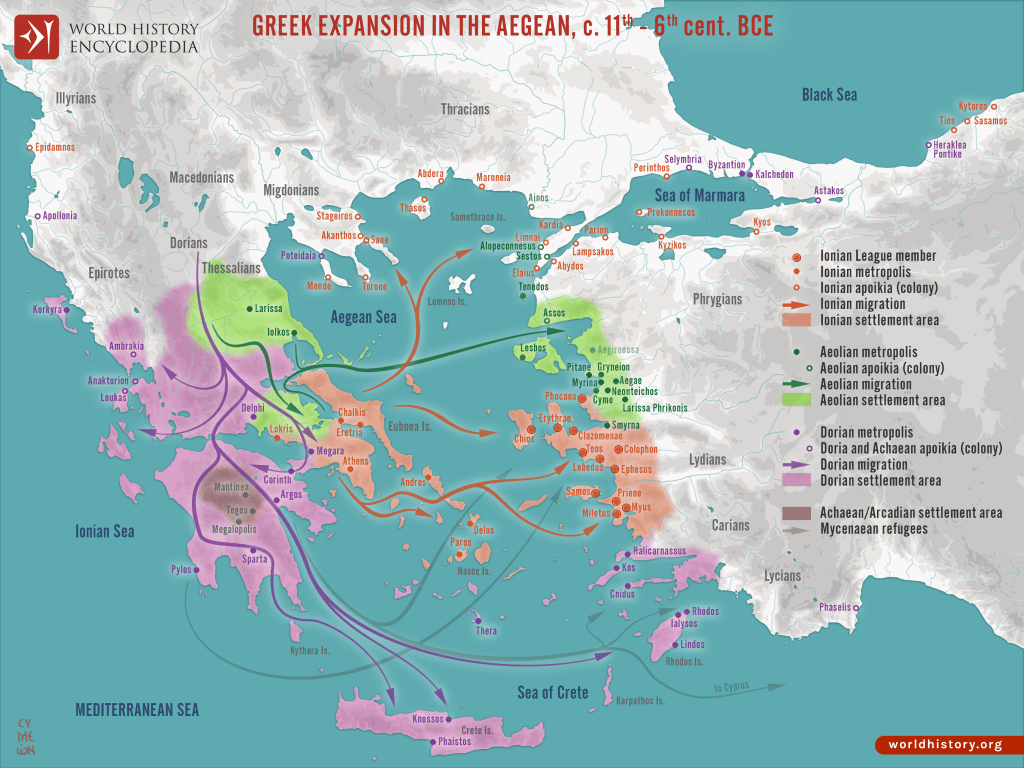
City-states like Athens, Sparta, and Corinth used iron to make swords, spears, and armor for hoplite armies, citizen-soldiers who trained and fought to protect their communities. Unlike earlier societies ruled by kings or elites, these citizen-soldiers gave ordinary men a stake in their city-state’s defense and political life, helping shift power.
These changes laid the foundation for the rise of democracy in Athens and the oligarchy that shaped Sparta. Teachers can have students explore how military technology influenced politics, comparing Greek city-states to tribal societies like the Celts.
Economy and Trade
Iron also shaped the economy and trade. With stronger tools and weapons, Greeks could farm more efficiently, defend trade routes, and craft goods for exchange. With this surplus of food, trade began to grow again. Ports like Piraeus and Corinth became hubs of commerce, connecting Greek city-states with the wider Mediterranean world. Students can map trade networks or track the movement of iron and other resources to see how technology supported economic growth and cultural exchange.
Cultural Innovations
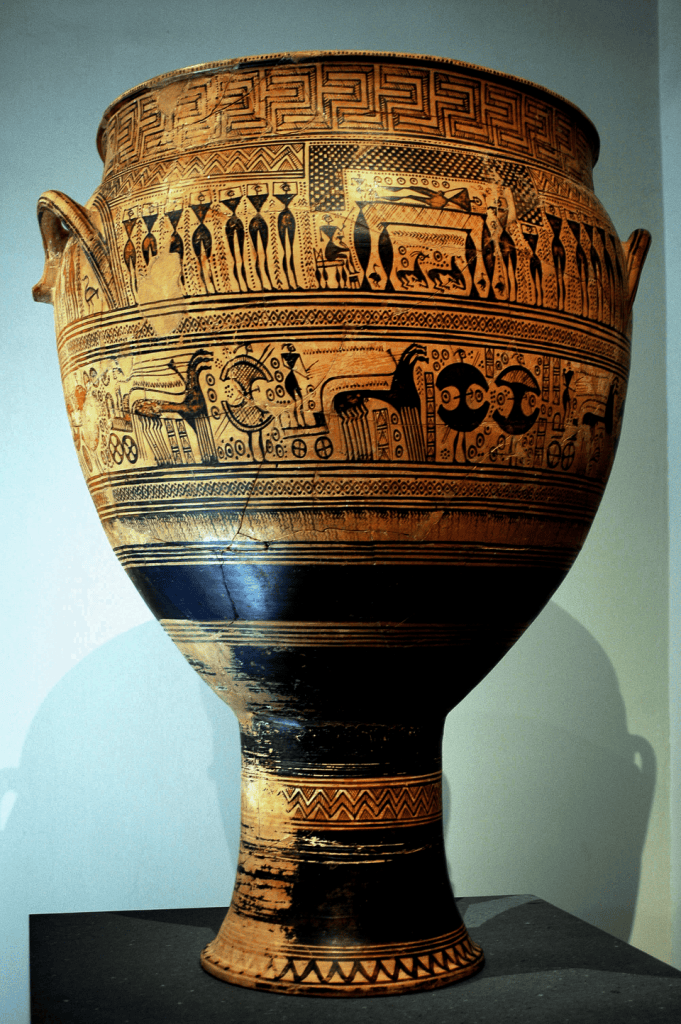
Finally, iron helped fuel cultural innovations in Greece through a chain of practical steps. Artisans used iron to make stronger tools, weapons, and building supports, which allowed the construction of larger temples, city walls, and public spaces. The stability provided by fortified cities and citizen-soldiers (hoplites) gave Greeks the time to focus on philosophy in Athens, literature like Homer’s epics, and early advances in science and mathematics.
These achievements in government, art, and thought influenced Rome and the modern world. Teachers can use this example to show students how a single technological innovation shaped social organization, the economy, and cultural development, turning early urban centers into hubs of lasting human achievement.
Conclusion: Teaching the Lasting Impact of Iron
Across Europe, from Celtic hillforts to Greek city-states, the Iron Age shows how a single technological innovation can reshape societies, economies, and cultures. Iron tools and weapons allowed communities to farm more efficiently, defend themselves, expand trade, and organize political life in entirely new ways. These shifts not only changed daily life in the ancient world but also influenced later civilizations, from Rome to the modern era.
Map It Out
Have students locate Celtic hillforts or Greek city-states to explore how geography influenced settlement, defense, and trade.
Trace Cause & Effect
Ask students to create charts showing how iron tools led to agricultural surplus, population growth, and social change.
Artifact Analysis
Use images of iron weapons, tools, or jewelry to discuss status, trade, and cultural identity.
Compare Socities
Let students contrast tribal Celtic communities with urban Greek city-states to understand different social and political structures.
Connect To Today
Encourage students to identify modern examples of how technology shapes society, linking iron innovations to concepts in agriculture, urban planning, or military strategy.
By using these strategies, students can see how technology, culture, and society interact, helping them understand not just the Iron Age, but broader patterns in human history.
Recommended Reading
Iron Age Facts & Worksheets – free summary info, fact file, and sample worksheets about the Iron Age across Europe (including Celtic contexts).
Iron Age Lifestyle, Culture, History and Facts for Kids – student‑friendly explanation of the Iron Age and Celtic life, including tools, hill forts, and culture.
Ancient Greeks Learning Resources (Cambridge Museum) – classroom‑adaptable activities to explore Greek culture and archaeology (includes Iron Age contexts).
Ryan Wagoner
The Lyceum of History
“I am indebted to my father for living, but to my teacher for living well.” — Alexander the Great
Follow me on: Blog | TpT | YouTube | X | Instagram | Facebook



Leave a Reply