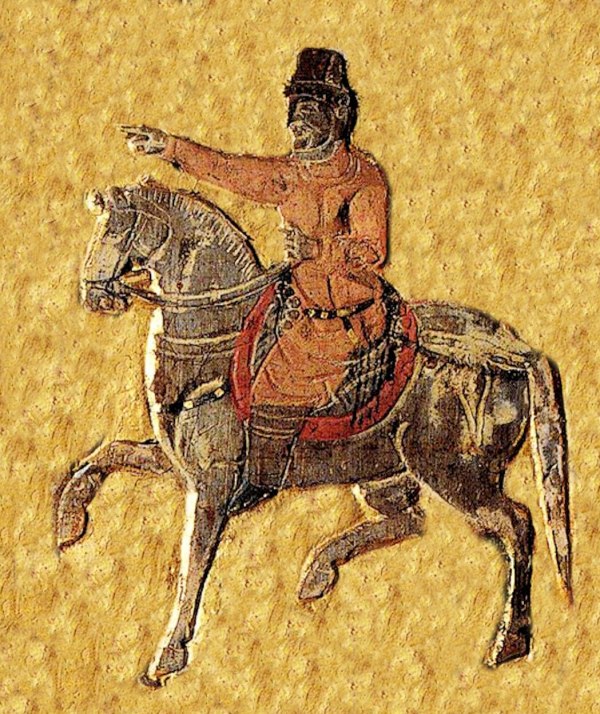
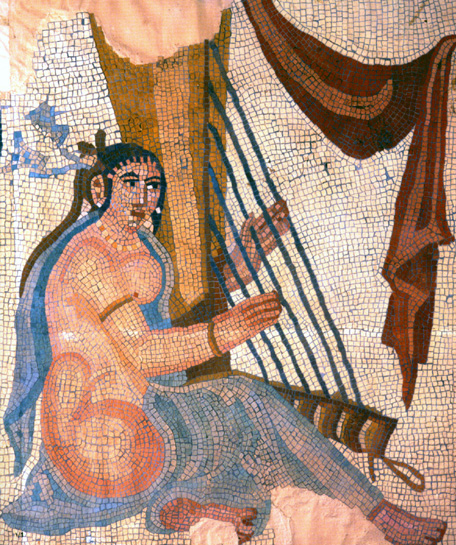
When teaching world history, the Silk Road often comes up as a route for silk, spices, and exotic goods. But at the heart of this network were the Sogdians, a civilization few have ever heard of before. The Sogdians were Central Asian traders whose merchants, language, and networks connected China, Persia, and the Mediterranean. Their... Continue Reading →
Exploring the Kingdom of Kush: A Lost Ancient Civilization
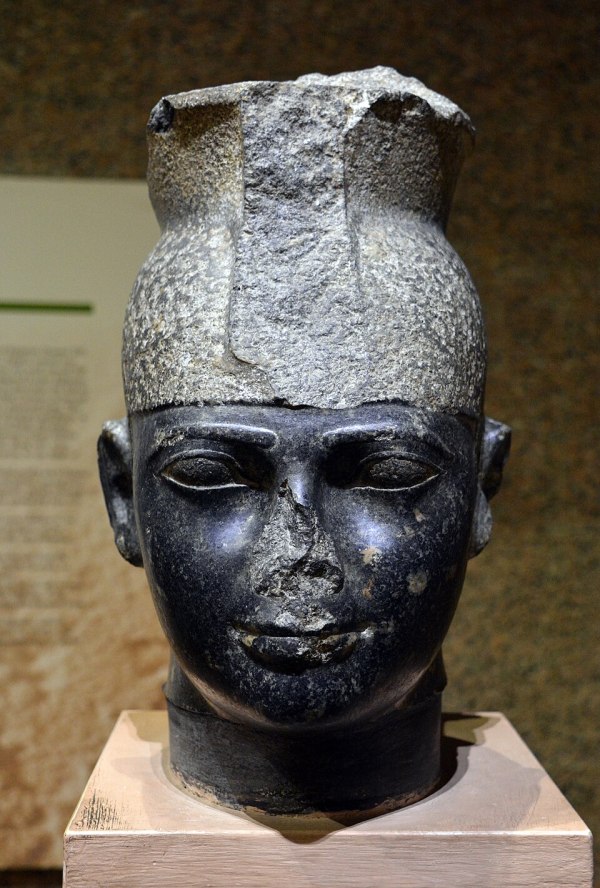
When teaching ancient history, Egypt often dominates the conversation, but just south of the Nile, the Kingdom of Kush thrived for centuries. Centered at Meroë, in modern-day Sudan, Kush became a powerful civilization that even ruled Egypt as pharaohs during the 25th Dynasty. Kush excelled in trade, ironworking, and cultural innovation. They can show students... Continue Reading →
The Legacy of the Lycians: Influence on Ancient Civilizations
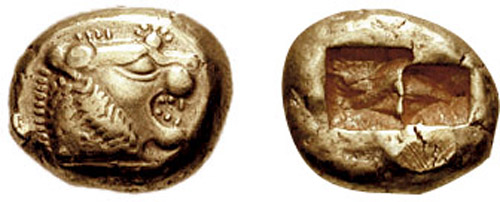
Lycians: An Influential Ancient Civilization of Southwestern Anatolia The Lycians were an ancient civilization that lived in southwestern Anatolia (modern Turkey) from about the 15th century BCE until 546 BCE. While they are often overshadowed by the Greeks and Romans in history textbooks, the Lycians played a key role in shaping Mediterranean trade networks, political... Continue Reading →
Scythians: Masters of the Steppe
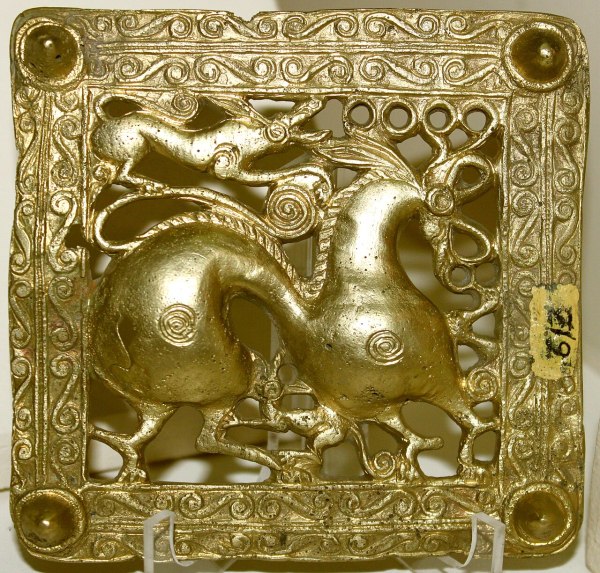
Between the Black and Caspian Seas, a group of nomadic Iranian warriors, dominated the Eurasian steppe from roughly 900 BCE to 200 CE. The Scythians were renowned for their cavalry skills. Their mobile society excelled in horseback archery, rapid raids, and strategic warfare that allowed them to control vast territories far beyond their settlements. They influenced both... Continue Reading →
The Olmecs: Mesoamerica’s Mother Culture
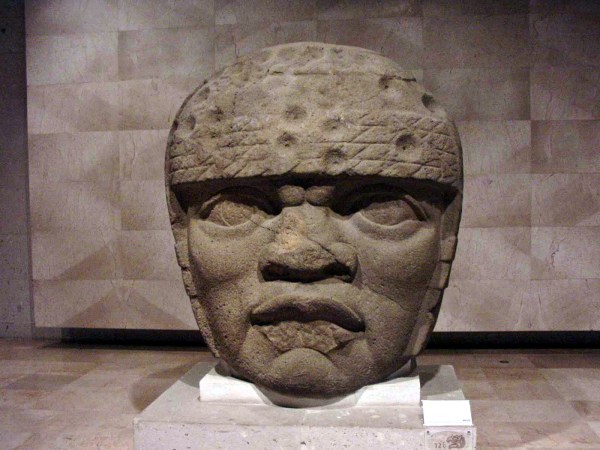
Often called the “mother culture” of Mesoamerica, the Olmecs (c. 1500–400 BCE) laid the groundwork for later civilizations like the Maya and Aztec. They are best known for their monumental stone heads, carved from basalt and weighing several tons, which may have represented rulers or deities. The Olmecs also built pyramids and ceremonial centers and... Continue Reading →
Cultural Impact of Alexander’s Campaign in India
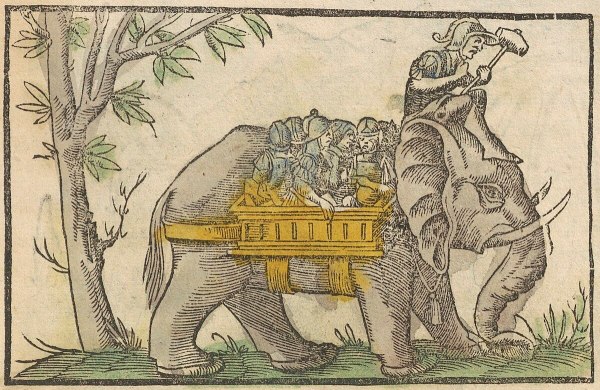
Background How did Alexander the Great extend his empire to the eastern edges of the known world? The Battle of the Hydaspes in 326 BCE offers secondary social studies teachers a vivid case study in leadership, strategy, geography, and the cross-cultural encounters of ancient warfare. Fought between Macedonian forces and the army of King Porus in... Continue Reading →
Understanding the Battle of Gaugamela in Social Studies
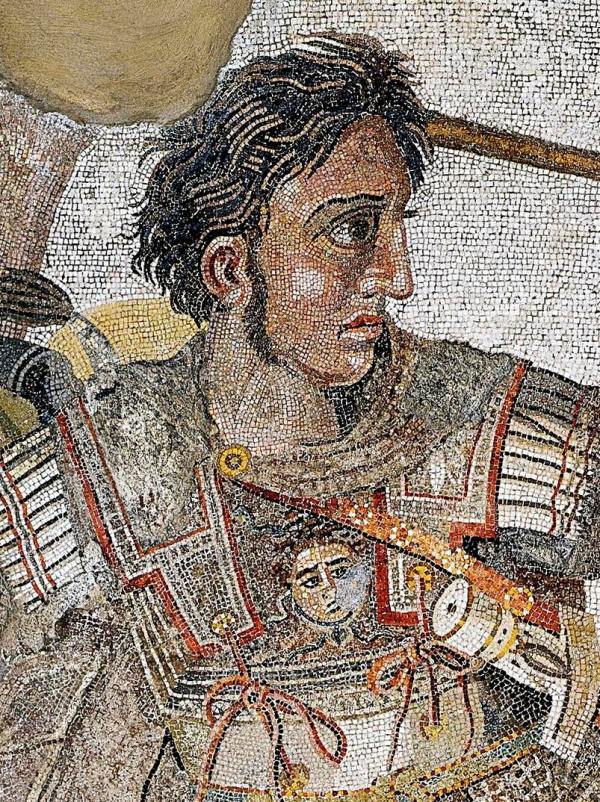
How can the Battle of Gaugamela help secondary social studies students understand shifting power, cultural exchange, and the long-term consequences of conquest? Fought in 331 BCE, the Battle of Gaugamela between Alexander the Great and the Persian king Darius III marked the decisive end of the Achaemenid Persian Empire. This battle offers teachers a powerful... Continue Reading →
Cultural Fusion in Roman-Persian Frontier Cities
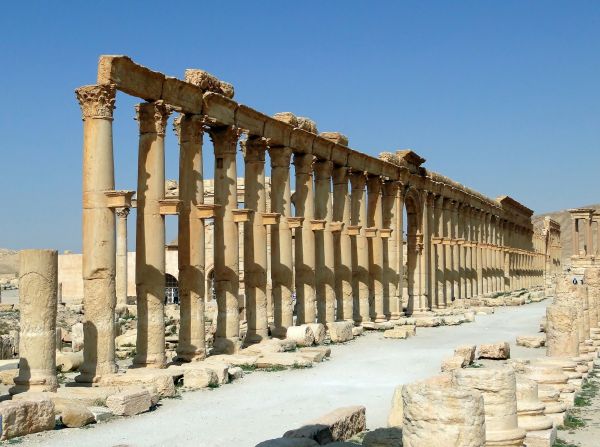
Cities Where Cultures Meet How can exploring daily life in ancient border cities help students understand cultural exchange and globalization? When we think of the Roman–Persian frontier, images of armies, emperors, and shifting borders often come to mind. Yet the most meaningful cultural blending happened far from battlefields and palace halls. It took place in... Continue Reading →
The Dynamic Nature of Borders: Lessons from History
The Illusions of Borders How can exploring historical borderlands help students understand the complexity of political and cultural boundaries today? We often assume that the political lines on modern maps are fixed and represent clear breaks between nations. In reality, these lines are rarely so simple. Cross-border connections—like those between the Southwest United States and Mexico,... Continue Reading →
Lessons from Petra: Trade and Cultural Exchange
A Culture of Blending, Borrowing, Innovating Location of Petra in southern Jordan, showing its position in the modern world. Map © Sting / Wikimedia Commons, CC‑BY‑SA 3.0. Source How can studying ancient trade cities help students understand the ways cultures influence one another? Modern brands like Coke, Disney, Netflix, and Amazon show that cultural exchange is... Continue Reading →