A Door Destroyed, a World Rebuilt
When one door closes, another opens—but in this case, the door was destroyed. In the ashes of the Bronze Age Collapse, some civilizations were repaired, some new ones emerged, and others were lost to history. From this upheaval, a new Iron Age world slowly and unevenly took shape. Palaces crumbled, long-distance trade vanished, and writing systems disappeared—but people adapted. Iron tools and weapons replaced bronze, giving local leaders and small communities the power to thrive where empires once dominated. The collapse wasn’t the end—it was the beginning of a new era, showing how ancient civilizations transformed and innovated in the wake of widespread upheaval.
In the centuries that followed, there are numerous lessons social studies teachers can draw upon, from the dynamic to the fascinating. While overshadowed by the fall of the Roman Empire, the world that emerged from the Bronze Age was every bit as important. It shows students that collapse doesn’t always mean failure. It’s how the cities and empires that emerged best adapted to change that we turn our attention to first.
Life After the Bronze Age Collapse
In the centuries after 1200 BCE, the great palace-based empires, such as the Mycenaeans in Greece, the Hittites in Anatolia, and Egypt’s New Kingdom, were gone or greatly weakened. Without centralized kings controlling food, labor, and trade, societies became more local and flexible. Smaller villages replaced massive palace centers like Mycenae and Hattusa, with people living in scattered farming settlements, hilltop villages, and fortified towns made up of extended families or clans. Long-distance trade shrank, but local production increased, as communities relied on what they could grow, make, or mine nearby.
Yet not every region declined. The Phoenician city-states adapted quickly, using their strategic ports to rebuild trade networks, develop maritime expertise, and create a simple alphabet that helped them thrive in the new Iron Age. Many of their achievements make for excellent case studies you can use in your social studies classroom.
Phoenician Achievements
- Maritime Trade: Rebuilt trade networks using coastal ports like Tyre and Sidon to connect Egypt, Cyprus, Greece, and North Africa, trading timber, metals, glass, and purple dye.
- Alphabet: Created a simple phonetic alphabet that made writing easier and faster than cuneiform, spreading literacy across the Mediterranean.
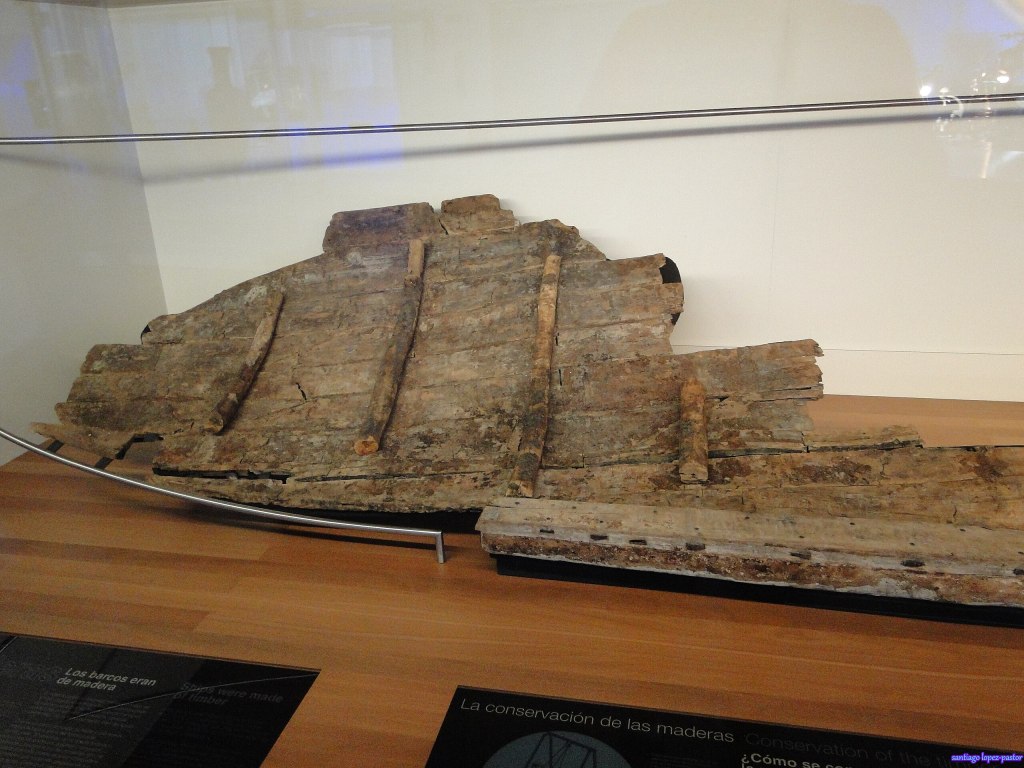
- Shipbuilding & Navigation: Innovated sturdy, long-hulled ships with multiple sails and early rudder systems, enabling longer voyages and heavy cargo transport; developed coastal navigation and early maps. Fun fact: Because of this strong association with their seamanship, later Greek writers referred to Polaris as the “Phoenician Star”, linking the star with the great sailors who depended on it.
- Colonization: Founded colonies like Carthage and settlements in Sicily, Malta, and Spain, extending trade networks and cultural influence.
Takeaway:
The Phoenicians turned the post-collapse chaos into opportunity, using trade, technology, writing, and colonization to become the Mediterranean’s first Iron Age power.
Iron Enters the Story
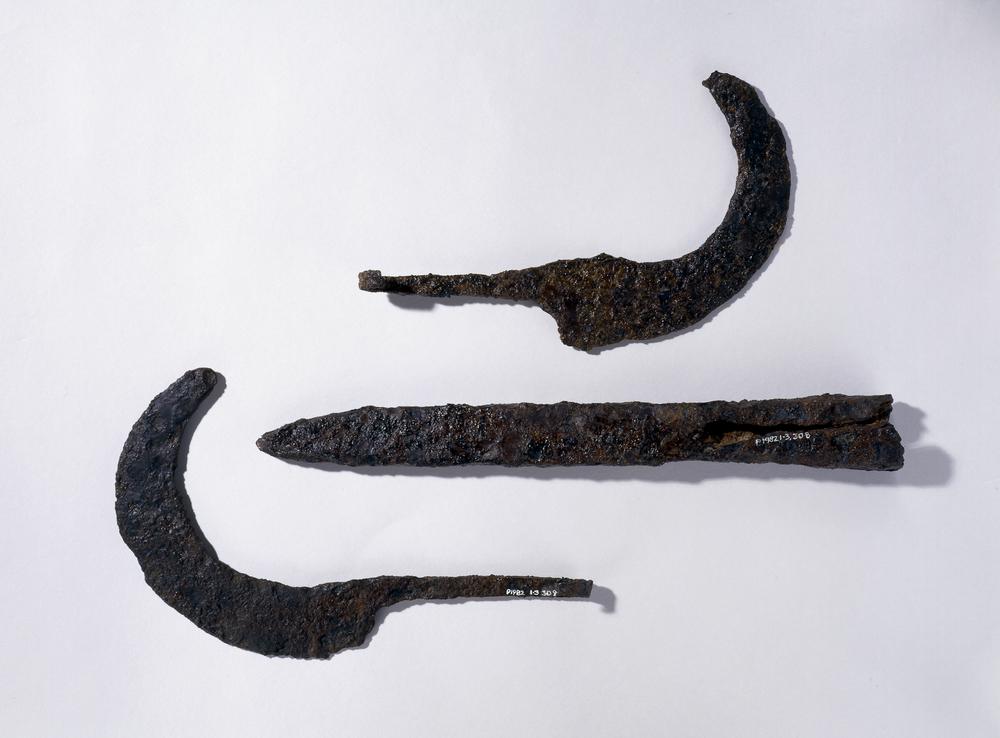
Iron was not new—people had known about it for centuries—but it was harder to work than bronze. Unlike bronze, iron can’t be melted at the temperatures of early furnaces. Ancient smiths used a special furnace called a bloomery, heating iron ore with charcoal until it became soft enough to hammer into tools and weapons. By repeatedly reheating and pounding it, they removed impurities and made strong, durable iron.
From this point, iron tools and weapons could be produced locally, without relying on fragile international trade networks. For students, this is a powerful moment to connect geography, resources, and technology, comparing the two metals and the conditions that led to their initial use.
Why Iron Changed Everything
Iron tools were tougher and cheaper to produce than bronze. Farmers could clear land more easily, and weapons could be made in larger numbers. Armies no longer depended on elite-controlled bronze supplies, slowly shifting power away from palace kings and toward local leaders and communities.
This helped new societies emerge:
- Greece: Small villages slowly grew into city-states like Athens and Sparta.
- The Levant: Early Israelite settlements emerged during the period of the Judges, relying on small-scale farming, local trade, and village life.
- Anatolia: Neo-Hittite city-states, such as Carchemish, Melid, and Aleppo, rose where the old Hittite empire had fallen.
- Mesopotamia: Assyria rebuilt and eventually became a major power, while smaller Babylonian, Aramean, and Chaldean city-states occupied the surrounding regions.
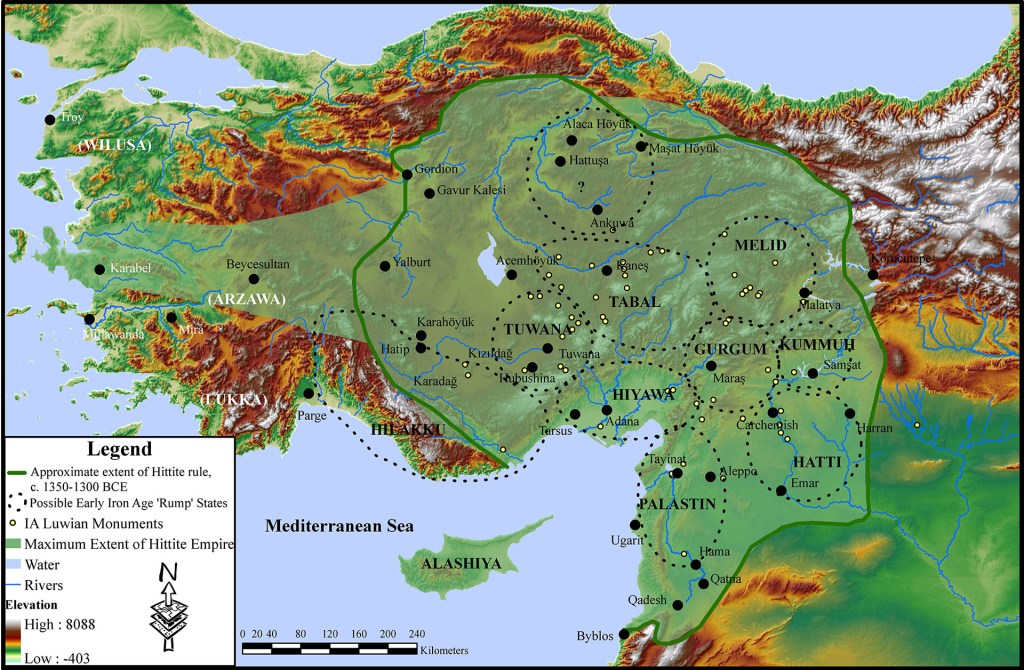
Rather than rebuilding the old Bronze Age system, people created something less centralized, more adaptable, and better suited to a changed world.
Teaching the Transition from Bronze to Iron
The shift into the Iron Age is a perfect opportunity to reinforce cause and effect over time, not just in a single event. Classroom strategies include:
- Continuity and change charts showing what disappeared (palaces, long distance trade) and what emerged (iron tools, local power).
- Technology comparisons between bronze and iron tools to discuss cost, access, and social impact.
- Systems thinking discussions asking whether the Iron Age was a recovery, an improvement, or simply an adaptation.
- Pros and cons of large empires vs smaller, regional powers.
- Long-term timelines that help students see that recovery took centuries, not years.
This approach helps students break away from the idea that history moves in straight lines or rebounds instantly. As students explore the societies that emerged in the Iron Age, they gain insight into how civilizations rebuilt, adapted, and reinvented themselves, laying the groundwork for later classical civilizations like Greece and Rome.
Recommended Reading
Iron Age: Technology & Artifacts (Vaia) – Explains how ironworking started in the Near East and Anatolia around 1200 BCE, including early metallurgy and why iron spread to tools and weapons.
Alphabet Origins (Met Museum) – An overview, with examples, of how the early alphabet formed in the ancient Near East.
Tell Hammeh (Wikipedia) – Details a real archaeological site in Jordan with some of the earliest evidence of iron smelting (around ~930 BCE), useful for showing where practical iron production began.
Tel Megiddo (Wikipedia) – Shows stratified Iron Age I levels (~1150–950 BCE) in a key Near Eastern city, great for classroom maps and timelines
Ryan Wagoner
The Lyceum of History
“I am indebted to my father for living, but to my teacher for living well.” — Alexander the Great
Follow me on: Blog | TpT | YouTube | X | Instagram | Facebook



Leave a Reply