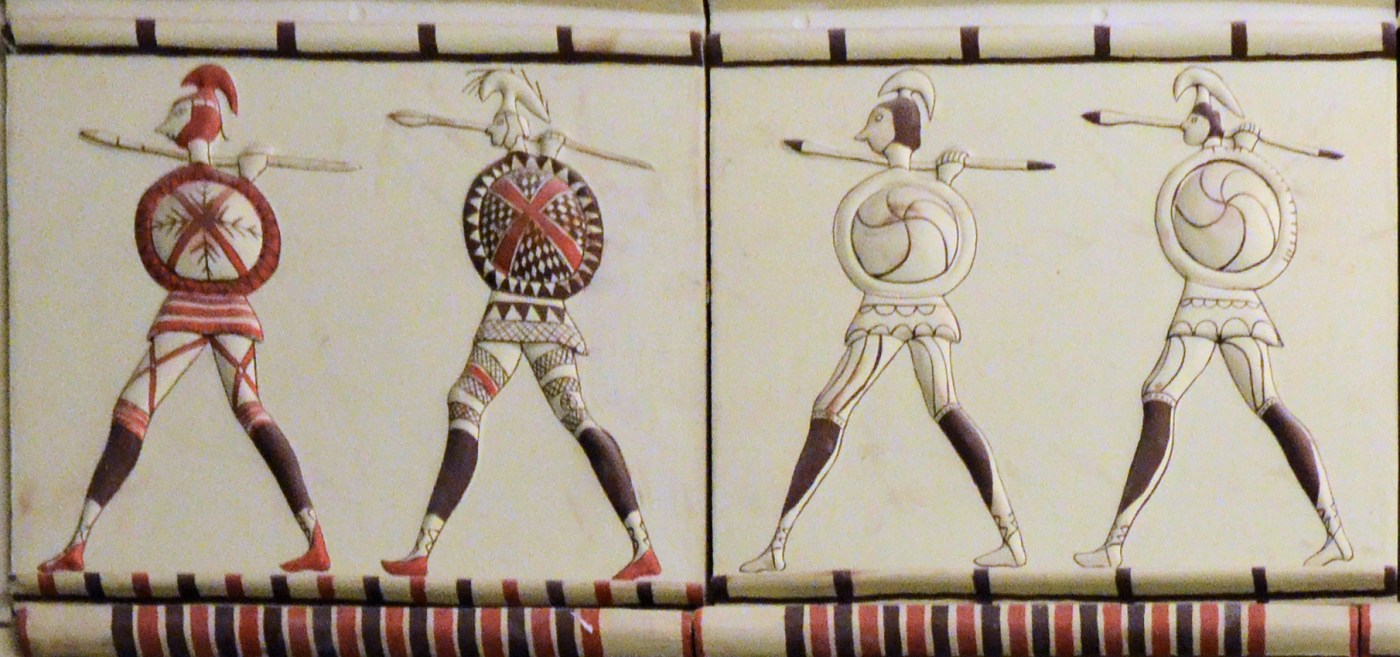
Iron technology transformed ancient societies far beyond tools and weapons. It reshaped defense, agriculture, and cultural identity across the ancient Near East. During the Iron Age, regional societies like the Phrygians of Anatolia and the Israelites of the Levant used iron to build fortified cities, improve farming, defend territory, and strengthen shared traditions and beliefs. From the walled city of Gordion and the legend of King Midas to the rise of early Israelite kingdoms under Saul, David, and Solomon, iron helped define how communities organized power, expressed identity, and understood their place in the world. For social studies teachers, these case studies offer clear, concrete examples of how technology connects daily life, political structures, and belief systems, making the Iron Age a powerful lens for teaching cause and effect in ancient history.
Phrygians: Iron, Fortified Cities, and Cultural Identity
Fortified Cities and Defense
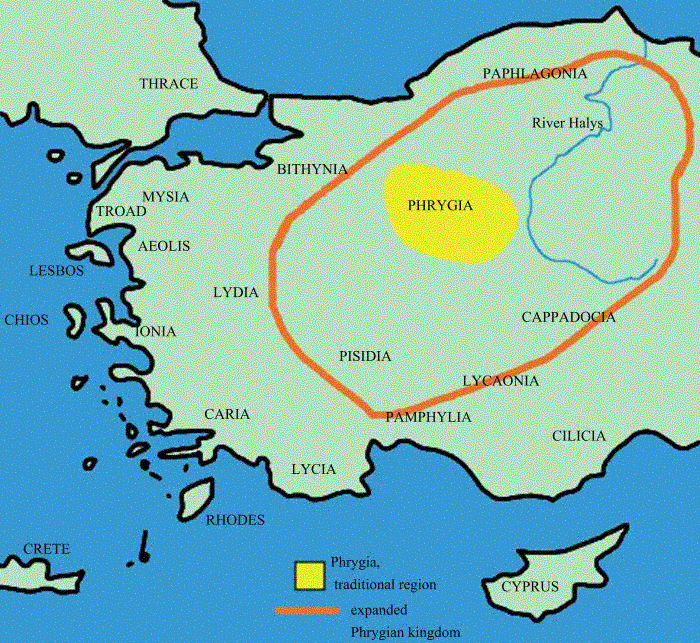
In central Anatolia (modern Turkey), the Phrygians used iron to strengthen both their defenses and their sense of identity. From around 900 to 600 BCE, cities like Gordion were protected by thick stone walls, gates, and towers supported by iron tools and weapons. Iron spearheads, swords, and armor helped Phrygian communities defend trade routes and territory in a region shaped by constant movement and conflict. A region that has seen dozens of civilizations come and go, all leaving their mark on history. Teachers can use maps and artifacts of Anatolia to help students see why fortified cities mattered in this crossroads of empires.
Agriculture, Trade, and Daily Life
Phrygia sat at the crossroads of Anatolia, not on the coast. Unlike Greece or Phoenicia, its power didn’t come from ships It came from overland control. Iron plows, sickles, and axes helped sustain growing populations around centers like Gordion, a key crossroads in Anatolia. These food surpluses supported long-distance trade routes linking Phrygia to the Aegean, Mesopotamia, and the Near East, allowing the region to thrive without direct access to the sea.
For students, Phrygia is a strong example of how geography shaped the use of technology. Teachers can have students trace trade routes connected to Gordion to compare land-based trade networks with maritime systems in places like Greece or Phoenicia, helping them see why Iron Age societies developed power in different ways.
Art, Wealth, and the Midas Legend
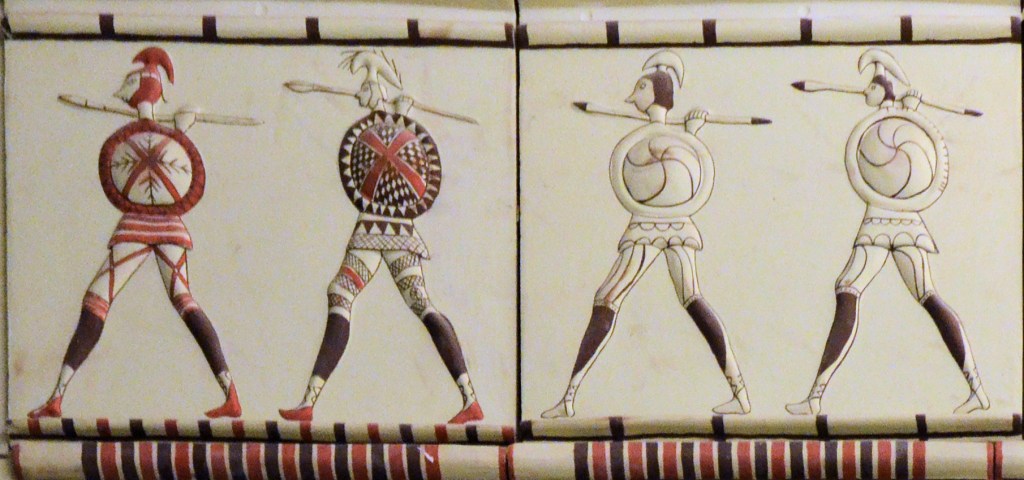
Phrygian identity was expressed through art and craftsmanship. Iron tools allowed artisans to create detailed jewelry, metalwork, and decorated objects that showed status and wealth. The legendary King Midas, often associated with gold, reflects how material wealth and craftsmanship became part of Phrygian cultural memory. Teachers can have students analyze artifacts to discuss how technology, art, and storytelling reinforce cultural identity. This can be a good diversion towards the myth of King Midas.
Israelites: Iron, Kingdoms, and Shared Identity
Iron Tools and Farming
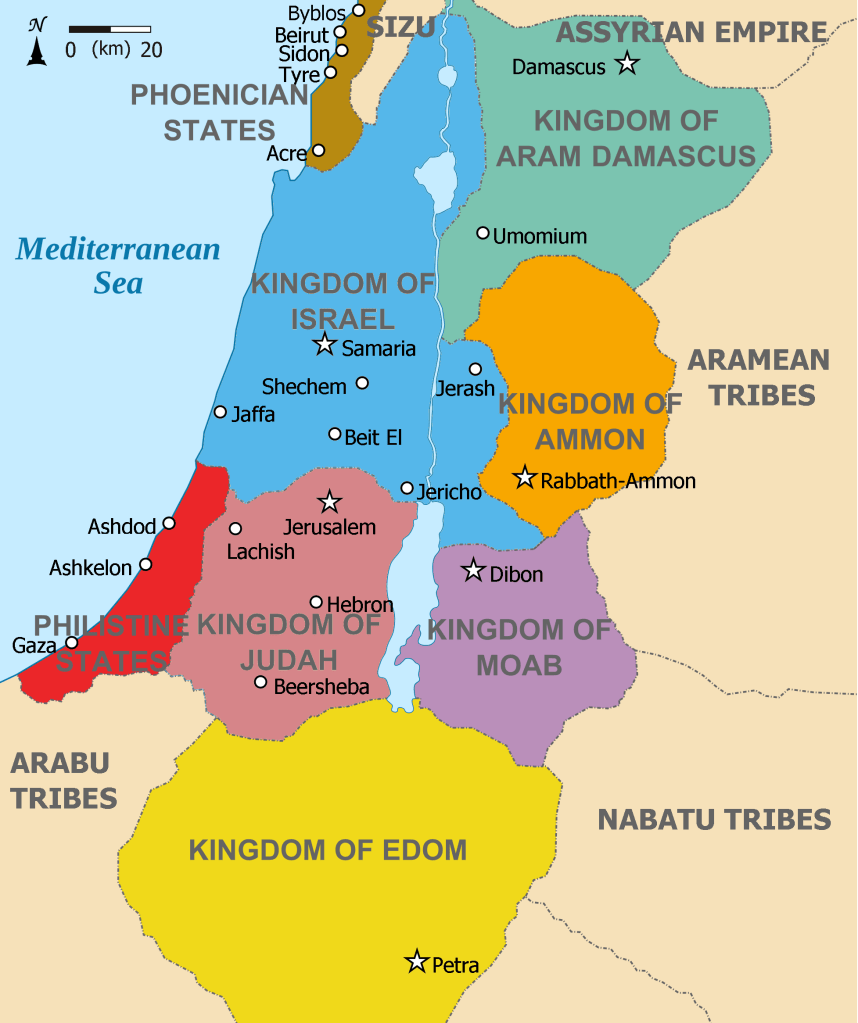
Iron tools supported farming in the hill country of Canaan, where rocky soils made agriculture difficult, while iron weapons strengthened tribal defense during periods of conflict with neighboring groups like the Philistines. As early kingdoms formed under Saul, David, and Solomon, iron helped support standing armies and fortified settlements, reinforcing political stability.
This stability allowed agriculture to expand, villages to grow, and, strengthened tribal ties. Teachers can connect this to geography by examining how iron tools helped people adapt to their environment.
Warfare and Early Kingdoms
For the Israelites, iron mattered less for expanding trade and more for survival, defense, and cultural cohesion. Iron weapons shaped defense and political organization. Swords, spearheads, and iron-tipped tools helped Israelite tribes protect themselves against rival groups. Over time, this need for coordinated defense supported the rise of early kingdoms under Saul, David, and Solomon. Students can explore cause-and-effect by asking how access to iron helped move societies from loose tribes to centralized leadership.
Cultural and Religious Identity
Material culture reinforced Israelite identity. Religious objects, buildings, and written traditions helped unify communities around shared beliefs. Together, technology and belief systems strengthened cultural identity and continuity. Teachers can encourage students to examine how tools, traditions, and beliefs work together to define a society.
Writing
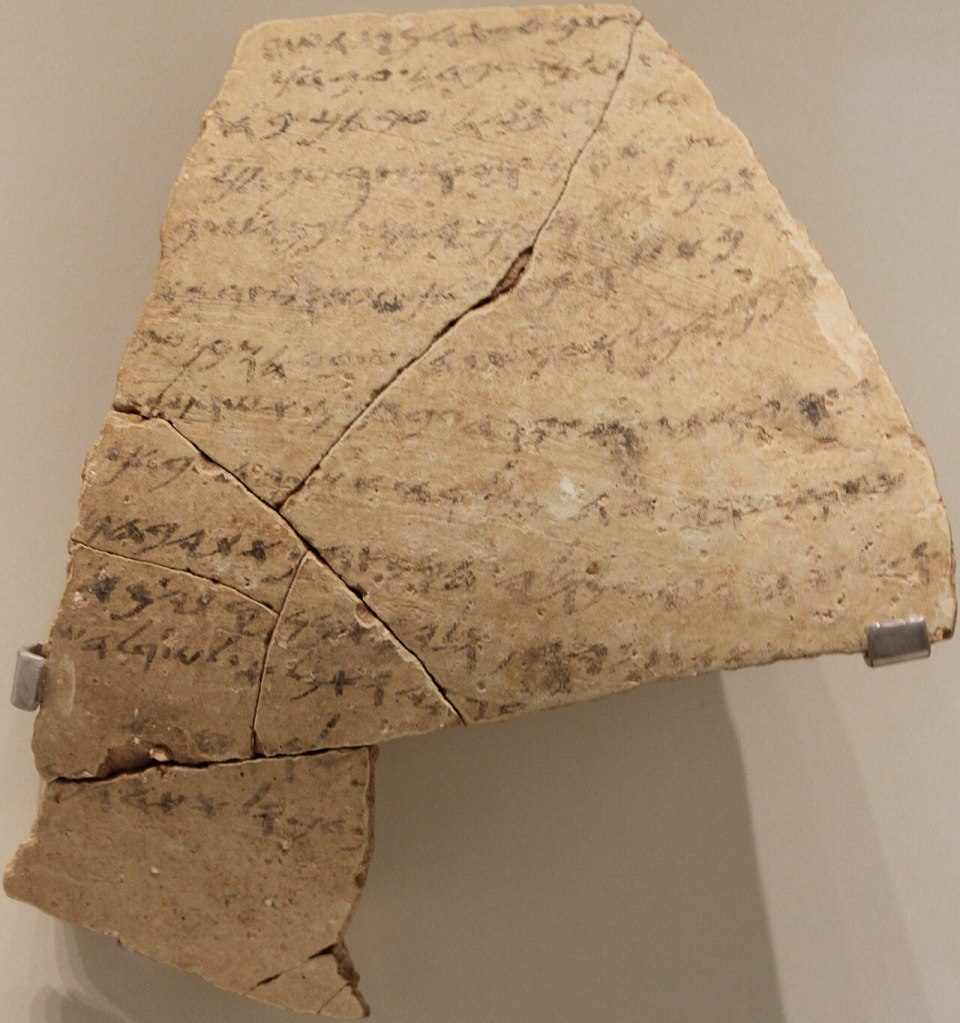
By about 1000 BCE, Israelites were using Paleo-Hebrew, adapted from Phoenician, mainly for administration and law. Inscriptions like the Gezer Calendar, Samaria ostraca, the Siloam Inscription, and the Mesad Hashavyahu ostracon show writing used for taxes, construction, and everyday disputes. Literacy was limited but functional, expanding as Israel and Judah centralized in the 8th–7th centuries BCE, providing the foundation for later biblical texts. The Iron Age made this possible by bringing cheaper tools, wider trade networks, and stronger centralized governments that needed writing to manage labor, taxes, and communication. In the classroom, it’s a great opportunity to compare early alphabetic systems to see how they diverged from each other over time.
Conclusion: Iron, Identity, and Society
Across regions like Anatolia and the Levant, iron shaped more than just tools and weapons. It shaped who people were. For the Phrygians, iron supported fortified cities, trade, and artistic expression tied to legend and memory. For the Israelites, iron strengthened farming, defense, and the rise of early kingdoms rooted in shared belief and identity.
Teaching Strategies to Use Right Away
Teachers can bring this lesson to life by having students map key regions like Gordion and ancient Israel to see how geography shaped defense, trade, and settlement choices. Cause and effect charts help students trace how iron tools strengthened farming, supported armies, and encouraged more organized political systems. Analyzing images of iron tools, weapons, or jewelry allows students to connect daily life with cultural identity. Comparing the Phrygians and Israelites shows how different societies used the same technology to solve similar problems in unique ways. Finally, discussions can link technology to belief systems, helping students see how iron supported traditions, leadership, and shared values, not just survival.
By studying these societies, students can see how technology and culture are deeply connected, helping them understand how innovations like iron shape both practical life and human identity over time.
Recommended Reading
Iron Age Gordion – Explores Gordion’s development as the Phrygian capital during the Iron Age, highlighting its political, cultural, and architectural significance.
Phrygia under King Midas – Highlighting the kingdom’s political power, culture, and regional connections in the late eighth century BCE.
Legend of the Gordion Knot – An overview from Penn State.
World History Encyclopedia – Mesopotamian Effects on Israel During the Iron Age.
Smithsonian – Three Shipwrecks Discovered Off the Coast of Israel Shed New Light on the History of Iron Age Maritime Trade.
Ryan Wagoner
The Lyceum of History
“I am indebted to my father for living, but to my teacher for living well.” — Alexander the Great
Follow me on: Blog | TpT | YouTube | X | Instagram | Facebook



Leave a Reply