When students read histories from ancient China or medieval Europe, they often notice an unusual pattern: bad rulers bring famine, war, or chaos, while good rulers preside over prosperity and peace. Omens, portents, and celestial signs are frequently cited as evidence for success or failure. To a student trained in modern historical analysis, this can seem sketchy at best. But for social studies teachers, these dynastic histories offer a compelling opportunity to explore how cultures use history not just to record events, but to teach lessons and shape behavior.
History as a Guide, Not a Timeline
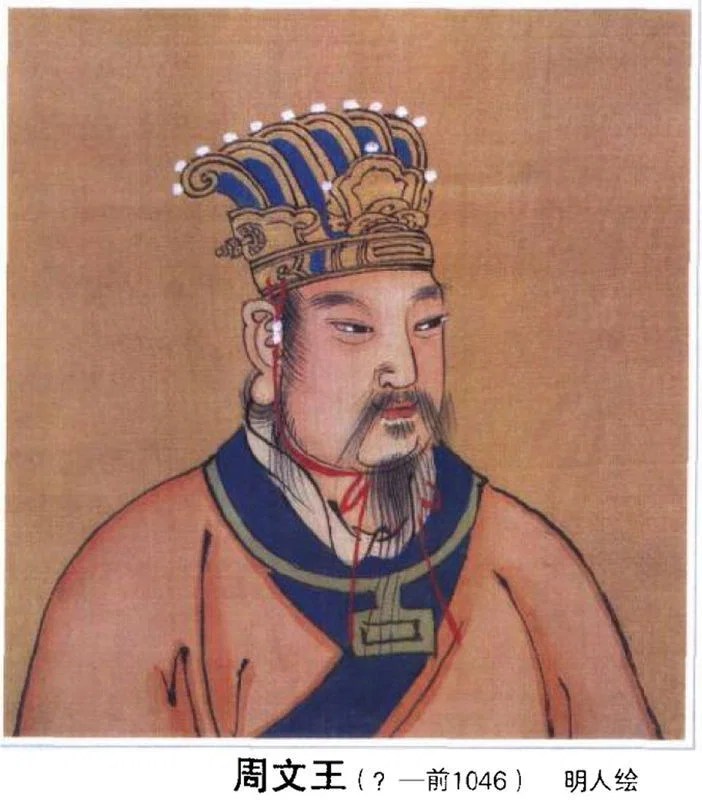
In societies like ancient China, history was closely tied to the Mandate of Heaven, a cycle of the rise and fall of dynasties. Rulers maintained or lost legitimacy based on moral virtue. When one dynasty fell, another would take its place. For example, the collapse of the Han dynasty was interpreted as a result of court corruption, peasant revolts, and famines, all signs that the dynasty had lost Heaven’s support. These narratives emphasized that moral failures of rulers had real consequences, rather than merely recording events.
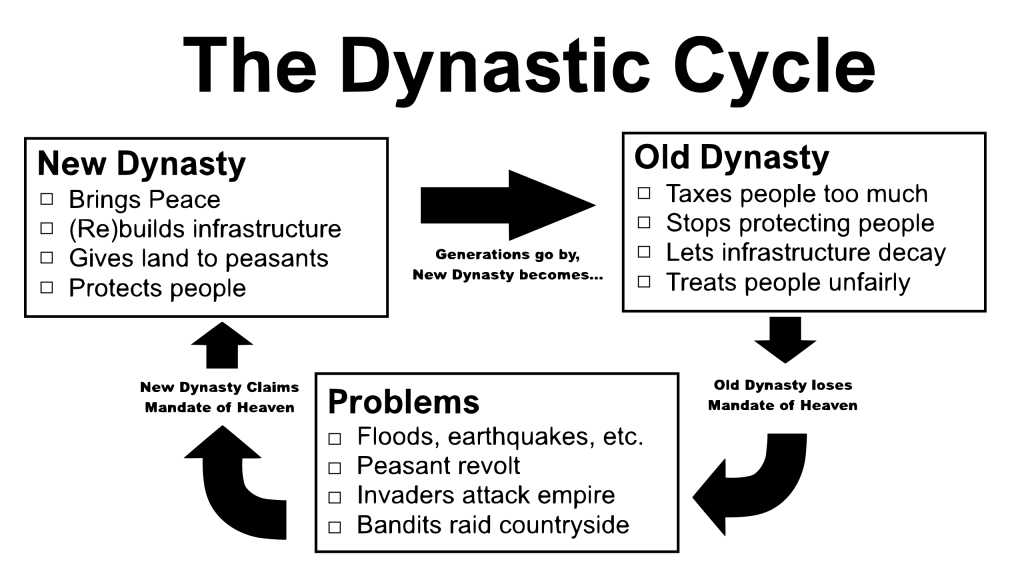
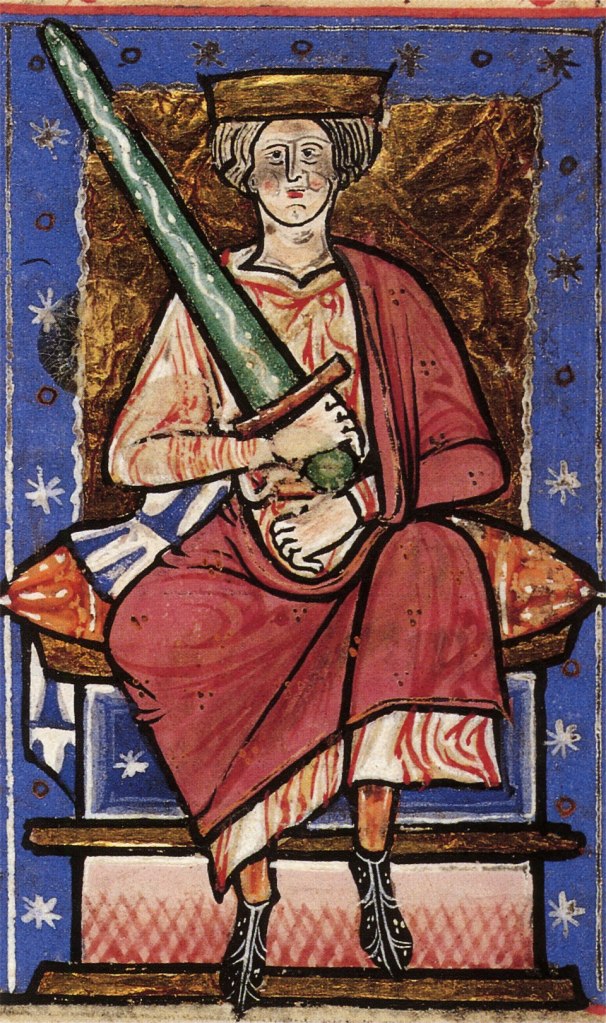
Medieval European chronicles worked similarly, emphasizing divine favor or punishment to explain prosperity or disaster. The Anglo-Saxon Chronicle, for instance, describes King Æthelred the Unready’s reign as disastrous, linking repeated Viking invasions and political failures to his poor leadership and God’s implied displeasure.
These accounts were less concerned with impartial reporting than with instruction. Teachers can help students see this by asking them to imagine being a ruler reading these histories: what lessons would they take away? How would these stories influence their decisions? How do historians use past events to teach cycles or principles? Framing the discussion this way turns “biased” accounts into tools for understanding social and political expectations of the time. Students can analyze cause-and-effect within moralized narratives while recognizing that the purpose of history varies across cultures.
Connecting History to Political Philosophy
This perspective naturally connects to political philosophy. Students can explore questions like: What makes a ruler legitimate? How should leaders balance morality and power? By examining histories designed to teach ethics as well as preserve events, students see the intersection of narrative, culture, and political theory. Teachers can even compare these historical approaches to modern political writing or leadership manuals, deepening both historical and philosophical literacy.
Teaching Tip: Stories That Shape Behavior
A practical classroom strategy is to have students examine a short dynastic narrative and identify its moral lesson, the evidence given, and the intended audience. Then ask them to consider how omens or portents serve as persuasive tools rather than factual reports. This encourages critical thinking and source analysis while illustrating that history can serve multiple purposes simultaneously.
Example: Use an excerpt from the Zuo Zhuan describing the fall of the State of Wu (5th century BCE). The text links the king’s arrogance and mistreatment of ministers to a series of natural disasters—eclipses, comets, and storms—that culminate in his defeat. Students can identify:
- Moral lesson: Leaders who act unjustly invite disaster.
- Evidence given: Omens and misfortunes observed before military defeat.
- Intended audience: Future rulers and court officials learning proper behavior.
Why This Matters
When students understand that some histories exist primarily to instruct or guide, they begin to see why labeling them “biased” or “untrue” is misleading. These accounts are not failures of accuracy—they are successes of pedagogy, designed to shape behavior and ensure social order. Treating these sources as intentional lessons rather than neutral records helps students develop critical analysis, moral reasoning, and cross-cultural understanding, exactly the outcomes that make social studies meaningful.
Recommended Reading
Mandate of Heaven – World History Encyclopedia – An overview of the important concept in Chinese dynastic rule.
The Mandate of Heaven: Then and Now – An opinion article argues that the Chinese Communist Party draws on the Zhou dynasty’s Mandate of Heaven—where a ruler’s legitimacy depends on maintaining order and prosperity—to justify Xi Jinping’s central authority today.
Ryan Wagoner
The Lyceum of History
“I am indebted to my father for living, but to my teacher for living well.” — Alexander the Great
Follow me on: Blog | TpT | YouTube | X | Instagram | Facebook



Leave a Reply