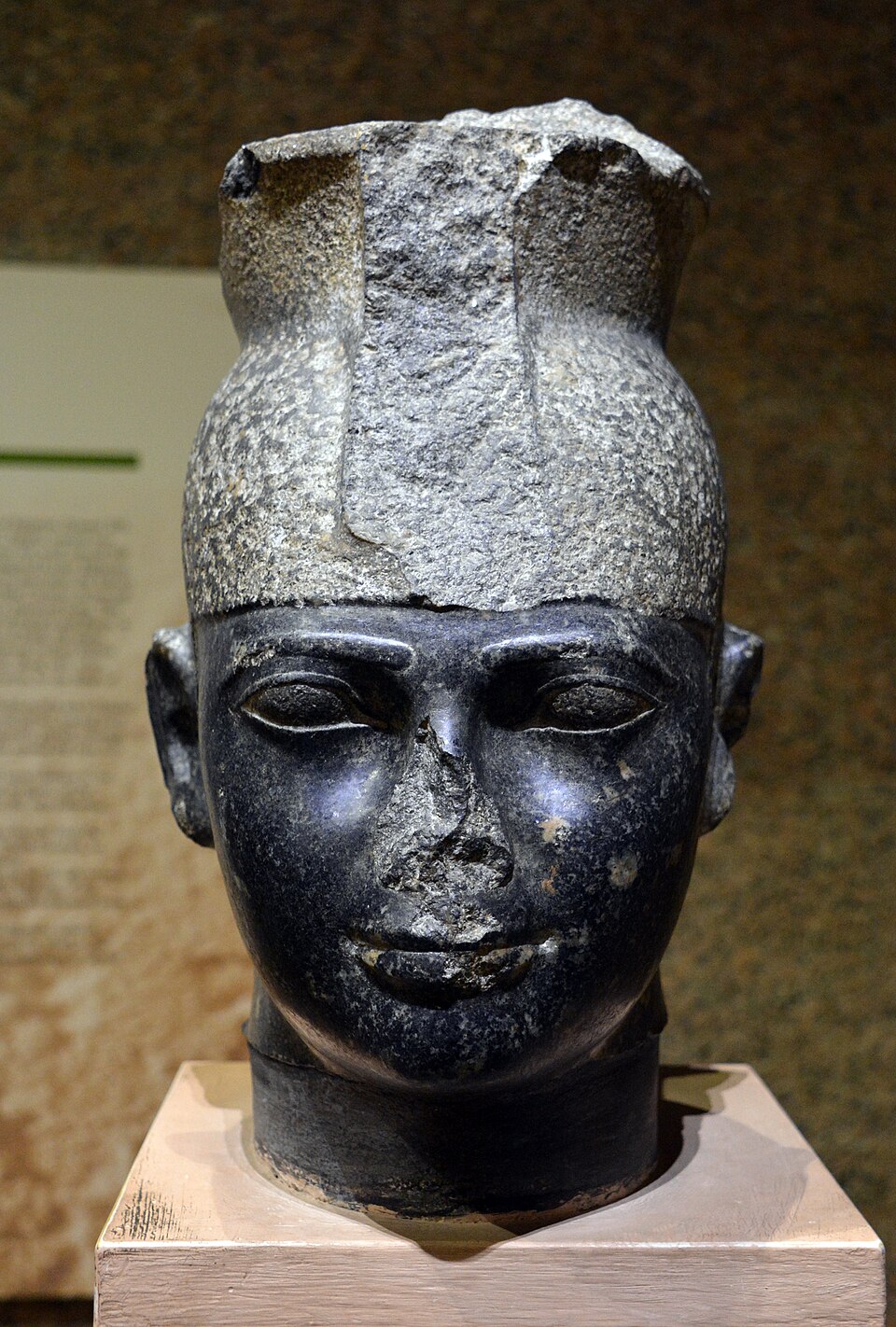
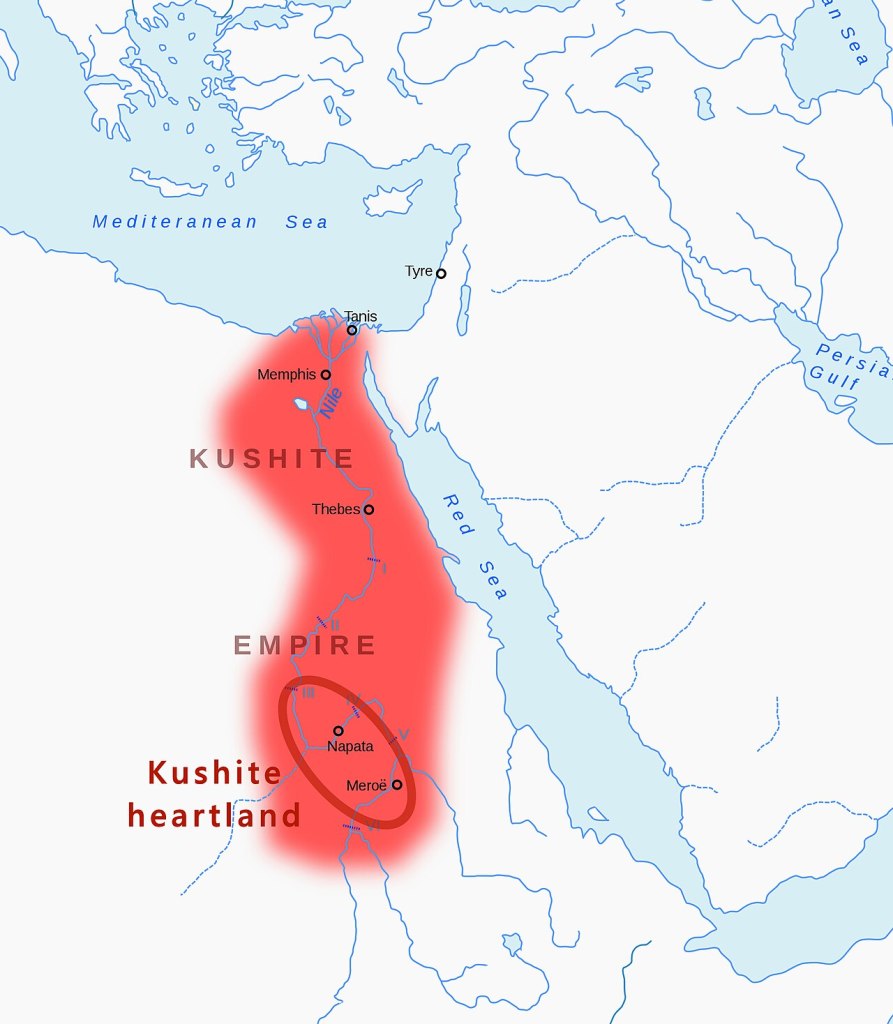
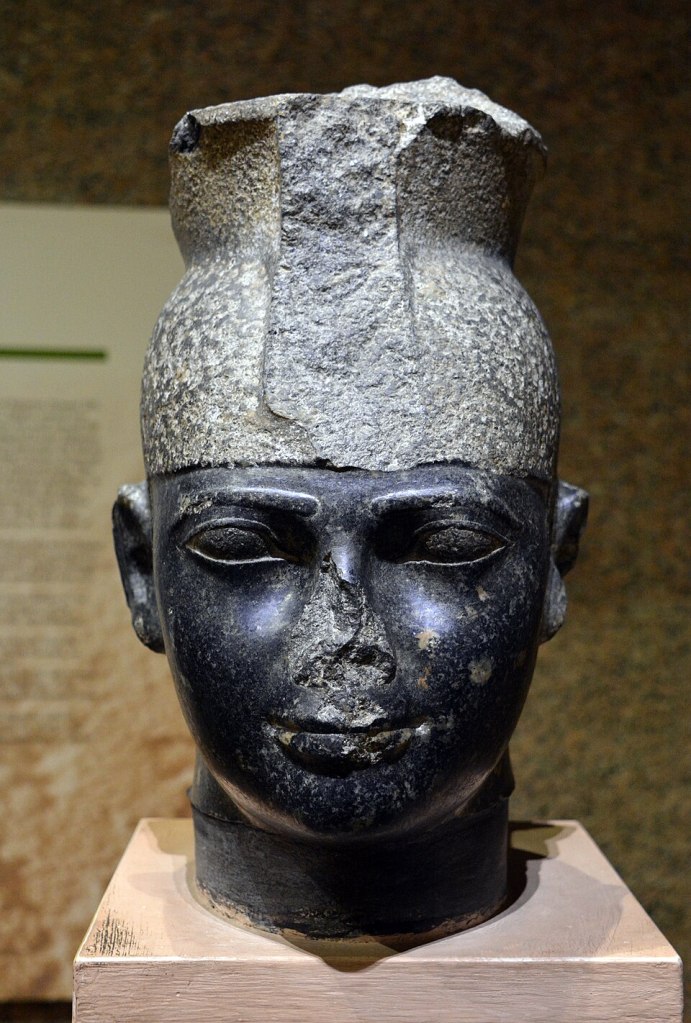
When teaching ancient history, Egypt often dominates the conversation, but just south of the Nile, the Kingdom of Kush thrived for centuries. Centered at Meroë, in modern-day Sudan, Kush became a powerful civilization that even ruled Egypt as pharaohs during the 25th Dynasty. Kush excelled in trade, ironworking, and cultural innovation. They can show students how African, Egyptian, and Nubian traditions combined to create a unique society. Introducing students to Kush provides a natural opportunity to explore how geography, technology, and culture shape civilizations.
Kushite Innovation: Ironworking and Trade
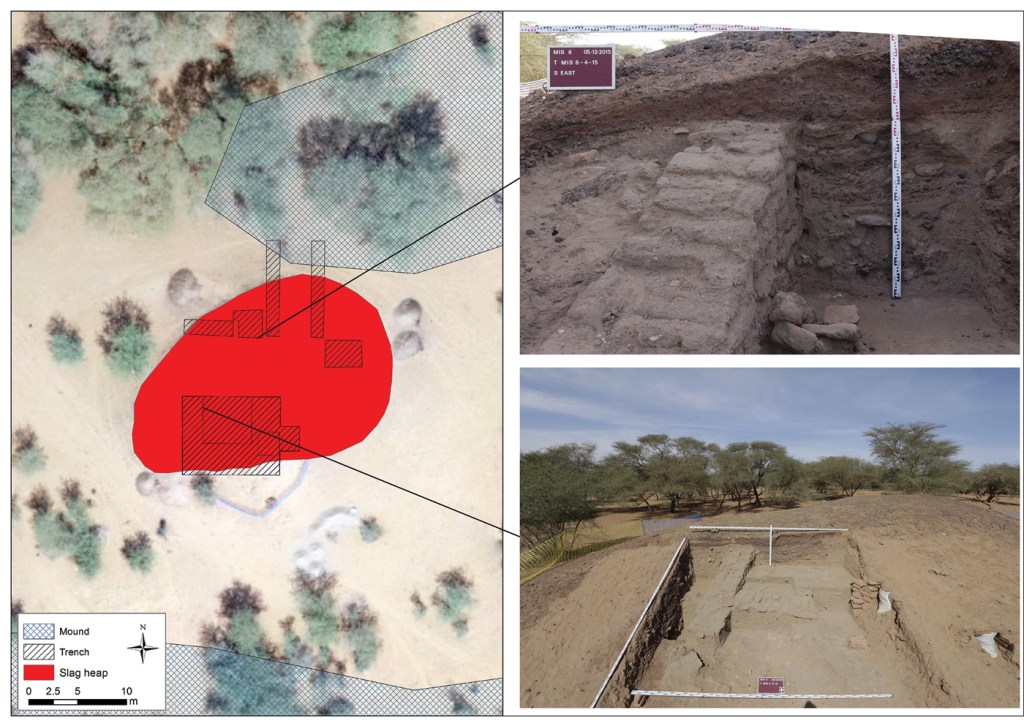
One of the most remarkable achievements of the Kushites was their mastery of ironworking. They produced tools, weapons, and trade goods that helped their civilization flourish. In the classroom, teachers can engage students by having them research how iron tools and weapons transformed daily life, agriculture, and warfare in Kush and compare it to other civilizations. This type of activity encourages students to think critically about the connection between technology and societal development. By incorporating a timeline, you can compare when various civilizations entered the iron age.
Kush’s location along the Nile also made it a hub for trade routes connecting central Africa, Egypt, and the Red Sea. By mapping these routes, students can visualize how geography influenced the economy and political power. Teachers might incorporate activities that ask students to consider why controlling trade along the Nile gave Kush such influence and how natural resources, such as iron ore and gold, fueled its wealth. These exercises naturally develop skills in map analysis, cause-and-effect reasoning, and historical interpretation.
A Unique Blend of Cultures
The Kingdom of Kush offers a vivid example of cultural blending. While the Kushites adopted Egyptian writing, religion, and monumental architecture, they also maintained their Nubian and African heritage. Their pyramids at Meroë, smaller but uniquely styled compared to those in Egypt, provide a rich visual for classroom discussions. Teachers can encourage students to examine the art and architecture to explore questions about cultural diffusion and adaptation. If you’re looking for a quick bell ringer where students explore the pyramids south of Egypt, grab your free Nubian pyramid activity!
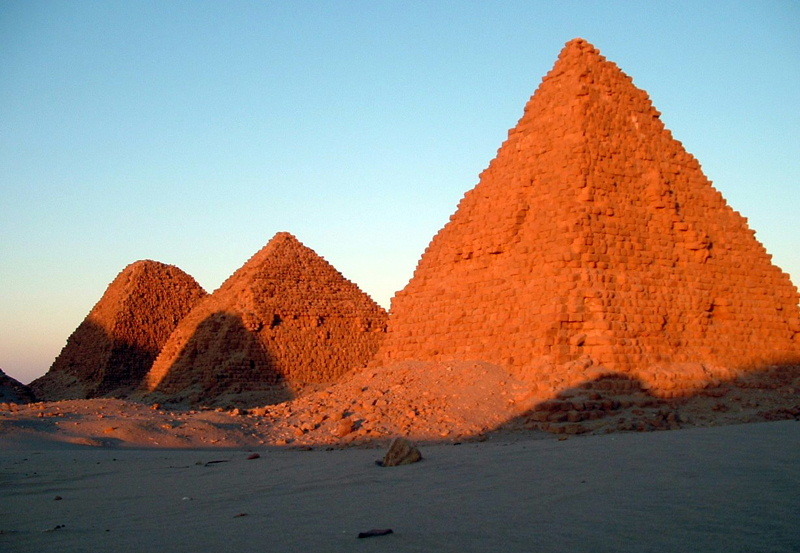
Leadership in Kush was also distinct. Powerful queens known as kandakes ruled alongside kings, offering an engaging way to discuss gender roles and political power in ancient societies. Students can compare these leaders to Egyptian pharaohs or rulers from other civilizations, analyzing how different cultures approached authority and governance. Adding this into lessons helps students understand that historical leadership was diverse and that women in ancient societies could hold significant influence.
Why Teach the Kingdom of Kush
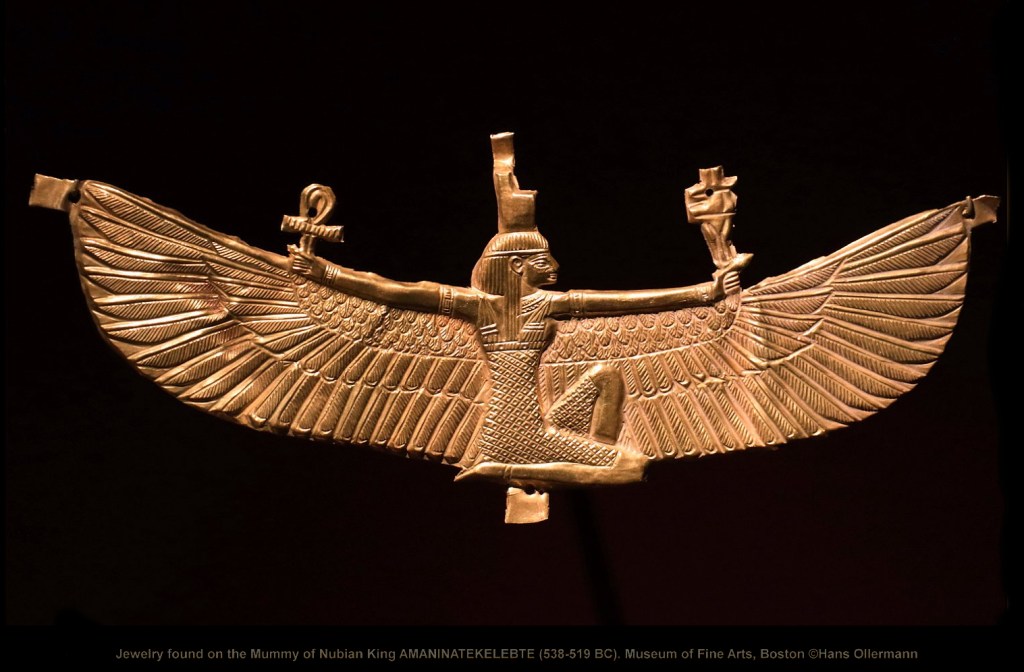
Incorporating Kush into the curriculum allows students to see Africa as home to dynamic, innovative civilizations beyond Egypt. Social studies teachers can design lessons where students trace Nile trade routes, analyze Kushite ironworking, and compare pyramids or rulers across cultures. They can also examine artifacts and architectural styles to explore broader questions about technology, culture, and power. This approach makes history hands-on, interactive, and encourages students to think critically about the forces that shape civilizations. By bringing Kush into lessons, teachers help students recognize that African history is rich, complex, and essential for understanding the broader story of human civilization.
Recommended Resources
Why are there pyramids here? — A quick bell ringer where students analyze an image of Nubian pyramids and use four clues to draw conclusions about the past.
Recommended Reading
The ISAC: Kushite Kingdom – highlights how Kushite rulers conquered Egypt as pharaohs during the 25th Dynasty while blending Egyptian and Nubian traditions.
The World History Encyclopedia: Kush – An overview of the ancient Nubian kingdom that ruled Egypt as pharaohs and later thrived from its capital at Meroë.
Ryan Wagoner
The Lyceum of History
“I am indebted to my father for living, but to my teacher for living well.” — Alexander the Great
Follow me on: Blog | TpT | YouTube | X | Instagram | Facebook



Leave a Reply