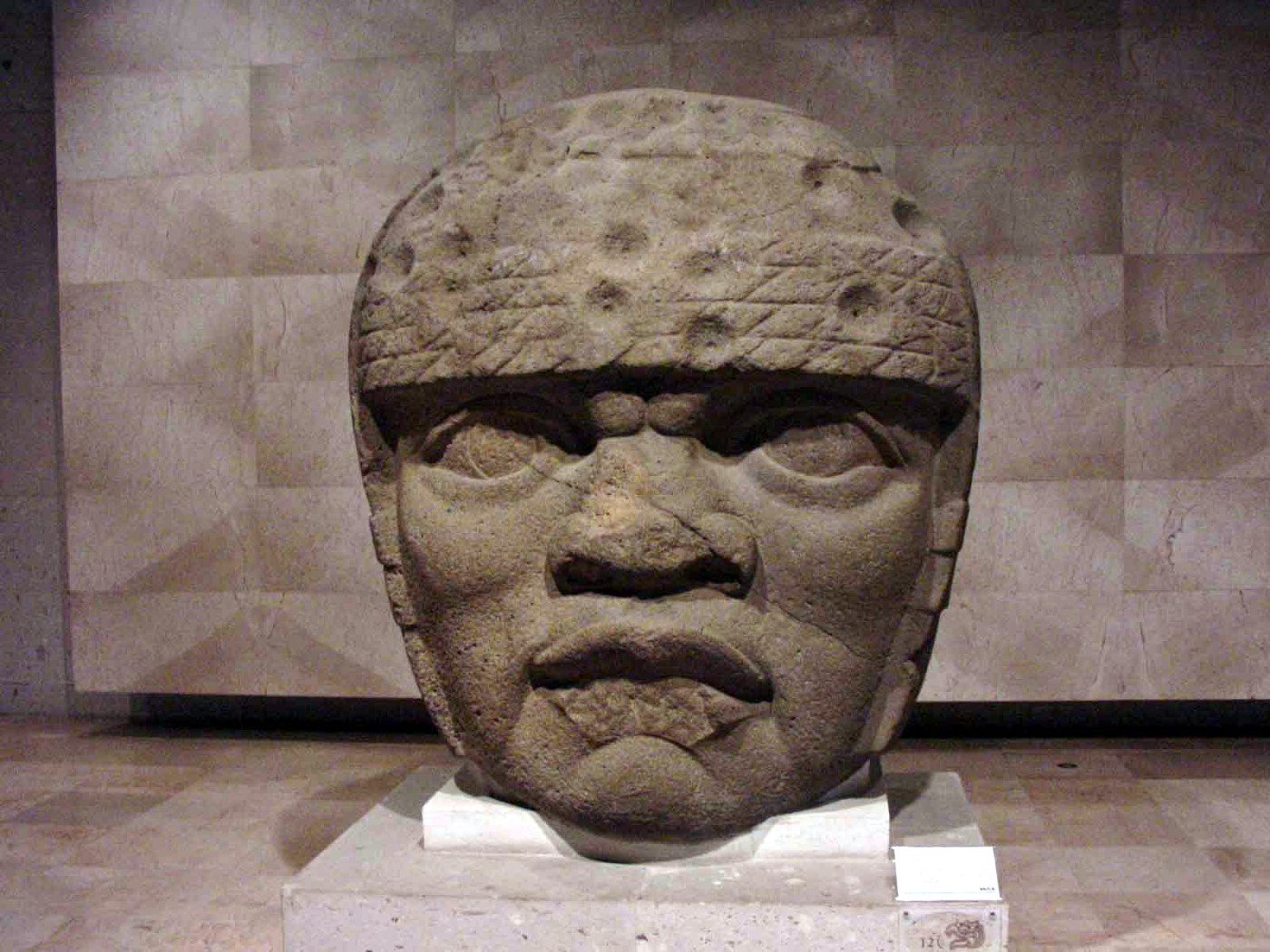
Often called the “mother culture” of Mesoamerica, the Olmecs (c. 1500–400 BCE) laid the groundwork for later civilizations like the Maya and Aztec. They are best known for their monumental stone heads, carved from basalt and weighing several tons, which may have represented rulers or deities. The Olmecs also built pyramids and ceremonial centers and developed early forms of writing, calendar systems, and ritual practices.
Understanding the Olmecs gives students a fuller picture of Mesoamerican history. Their innovations in art, religion, and urban planning influenced virtually every major civilization that followed, showing how even small societies can have long-lasting impacts.
Olmec Art and Symbolism
One of the Olmecs’ most remarkable contributions is their monumental art. The colossal stone heads, sometimes over 9 feet tall, required careful planning, teamwork, and engineering. They most likely were symbols of political authority or religious power. In addition, their smaller jade and ceramic figurines reflect Olmec beliefs about fertility, shamanism, and the natural world.
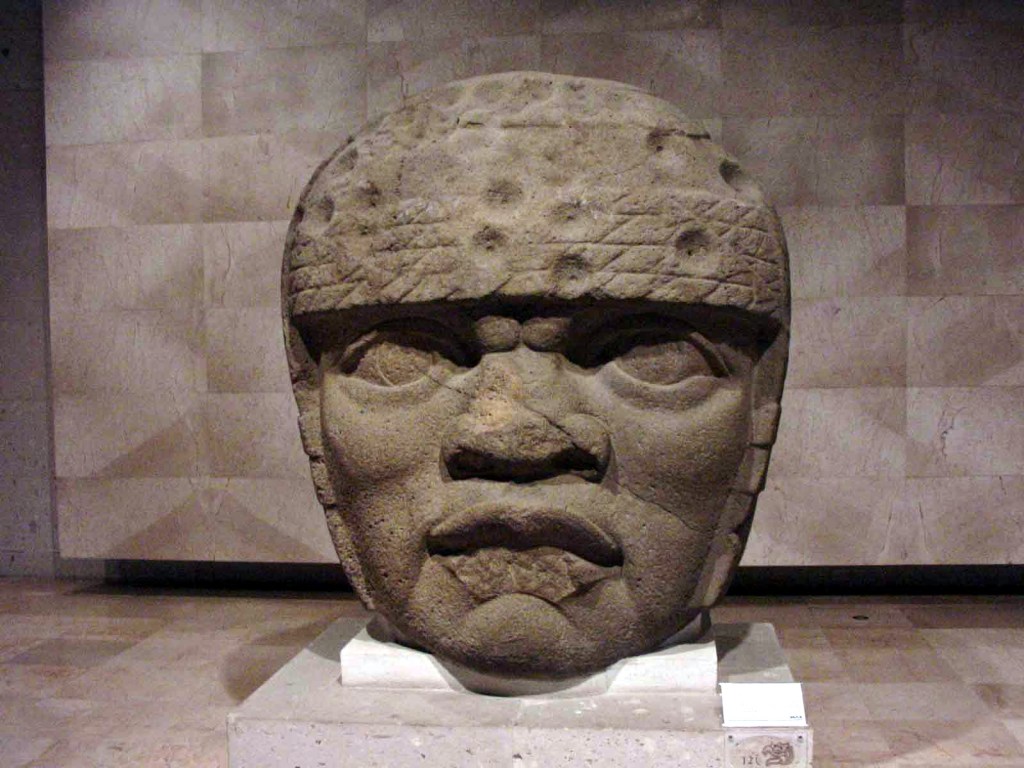
In the classroom, teachers can have students compare Olmec sculptures to later Maya or Aztec art, discussing symbolism, scale, and materials. A discussion about what these artworks tell us about leadership and religion can make ancient society feel tangible. It’s also a chance to show how history is about making inferences and deductions, which feels different than expected an exact answer in math and science classrooms.
Free Classroom Resource
Grab your free Examining Olmec Primary Sources Resource!
Early Writing and Rituals
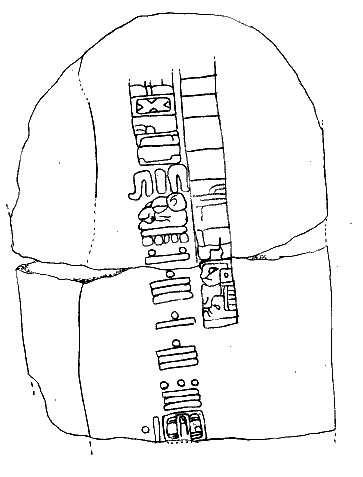
The Olmecs developed one of the earliest writing systems in Mesoamerica. Unfortunately, much of it remains undeciphered. They also organized rituals and ceremonies in their ceremonial centers, often tied to agriculture, astronomy, and belief in supernatural forces. These practices shaped social cohesion and influenced political authority in the civilizations that followed.
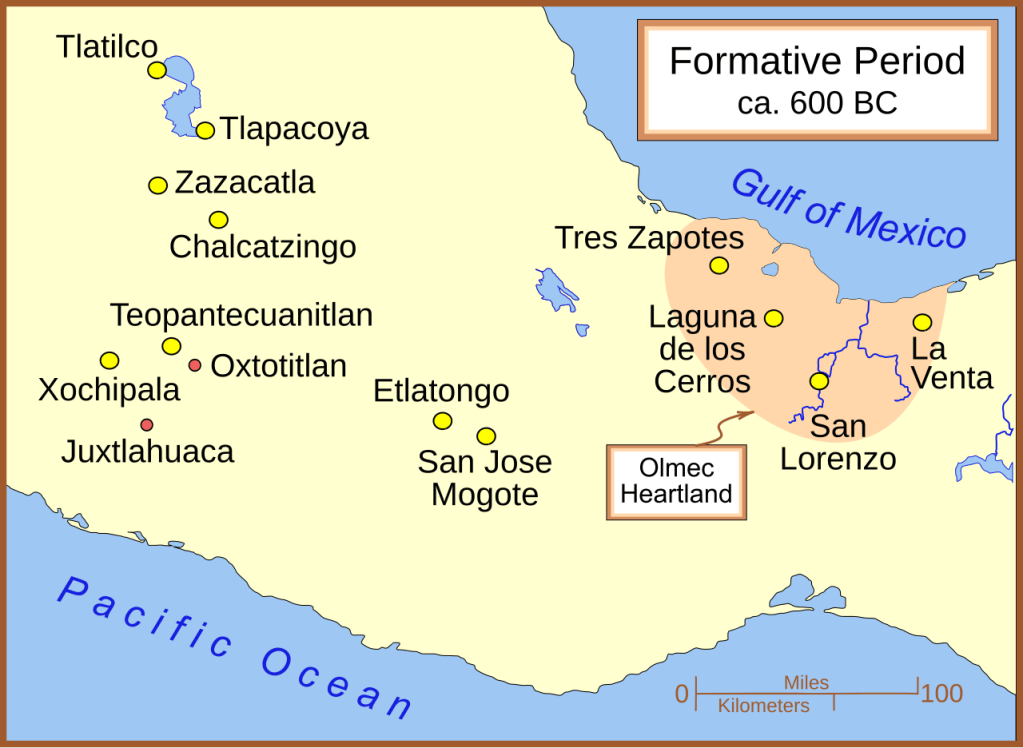
You can have students explore the possible meanings of Olmec symbols and artifacts. A map activity showing Olmec centers like San Lorenzo and La Venta helps students understand geography’s role in trade and political organization.
Legacy and Rediscovery
After the Olmecs declined around 400 BCE, many of their innovations persisted in later Mesoamerican cultures. Their monumental sculpture, urban planning, religious ideas, and writing systems influenced the Maya, Zapotec, and Aztec civilizations. Archaeologists in the 19th and 20th centuries rediscovered Olmec sites, uncovering evidence of a civilization that had been largely forgotten. Studying the Olmecs offers a way to explore how civilizations rise, influence others, and leave a lasting legacy.
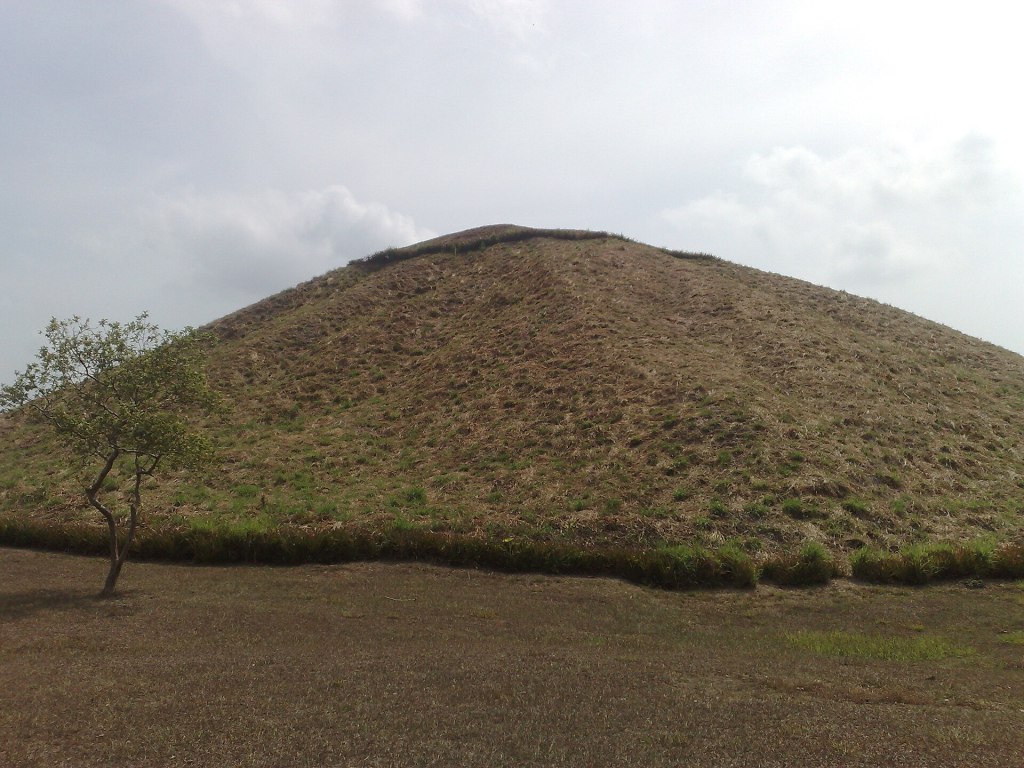
It also offers the opportunity to explore how the empires of the Fertile Crescent, Greco-Roman, Chinese river valley, and other civilizations influenced those who came after. A Venn diagram can serve as a quick bridge while comparing the role the Olmecs influenced their neighbors in much the same way as more familiar civilizations.
Why the Olmecs Matter in Social Studies
Although less famous than the Maya or Aztec, the Olmecs are essential for understanding Mesoamerican history. It shows how history never happens in a vacuum. Their innovations in art, writing, and urban planning provide insight into the development of complex societies. Teaching about the Olmecs encourages students to look beyond the most famous civilizations to see how ideas and technologies spread across cultures, allowing students to make connections in the modern world.
Recommended Reading
eHRAF Archaeology – Yale University — expert summaries and research on the Olmecs and other early Mesoamerican cultures.
Ryan Wagoner
The Lyceum of History
“I am indebted to my father for living, but to my teacher for living well.” — Alexander the Great
Follow me on: Blog | TpT | YouTube | X | Instagram | Facebook



Leave a comment