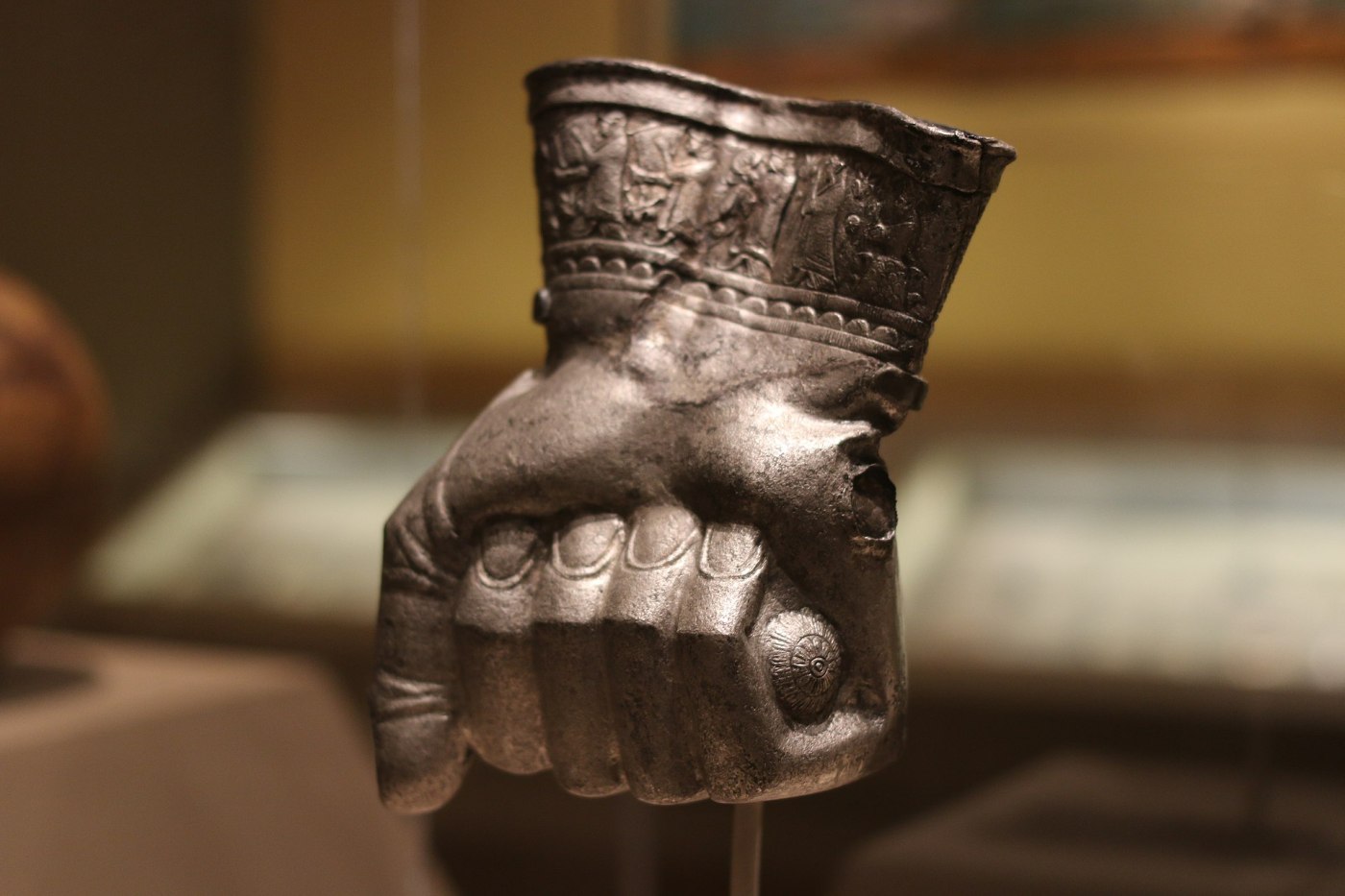
The Hittites were an ancient civilization that thrived in modern-day Turkey and northern Syria from roughly 1600 to 1200 BCE. They were one of the first to forge iron tools and weapons. Along with Egypt, they created the world’s first known peace treaty. Their law codes were ahead of their time, yet despite this, very few people even know they existed. Understanding the Hittites gives students a fuller picture of the ancient Near East. It shows how smaller empires could influence law, language, and warfare. Their story also highlights how civilizations can disappear and later be rediscovered, offering teachers a unique way to explore the mysteries of history in the classroom.
The Hittites and Their Iron Mastery
One of the Hittites’ most important contributions was their advanced metallurgy, particularly ironworking technology. They were among the first civilizations to smelt and forge iron on a large scale, which gave them stronger weapons and tools than many of their neighbors. This technological edge helped them dominate regional trade and warfare, influencing later civilizations such as the Assyrians and Greeks.
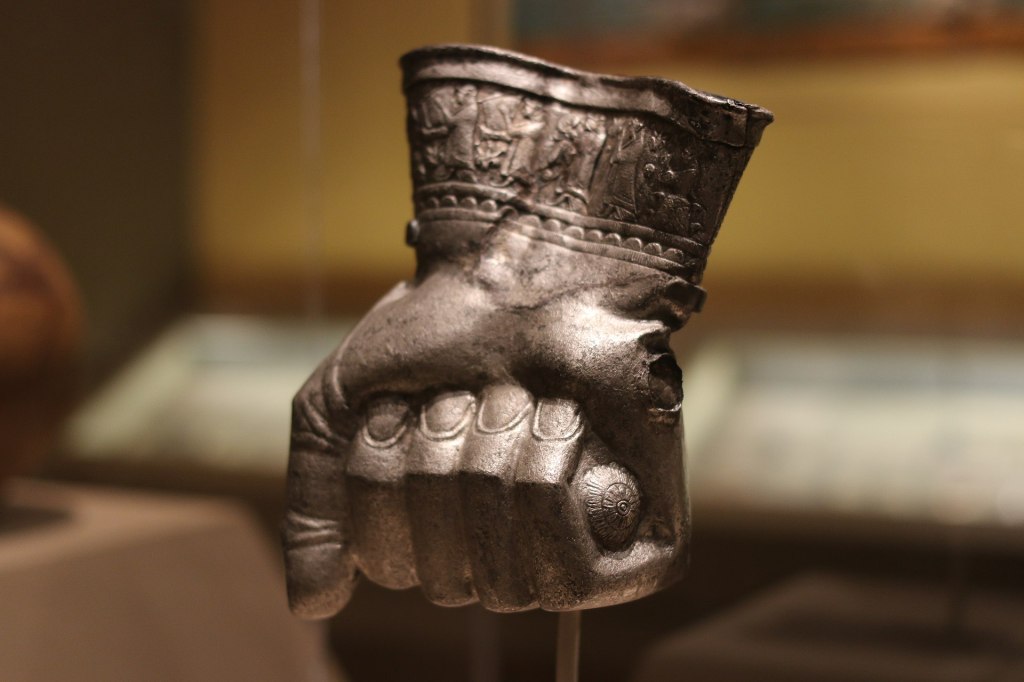
In the classroom, ask students to compare bronze and iron tools or weapons and discuss how access to technology can affect power in ancient societies. A simple classroom demonstration with images or replicas of bronze vs. iron swords can make this tangible. You can also tie in how these metals are used today.
Hittite Law Codes: Early Examples of Justice
The Hittites also developed some of the earliest known law codes, emphasizing restitution over punishment. Unlike the later harsher laws of Mesopotamia, Hittite laws often focused on compensation and repairing social harmony, which influenced other legal systems in the region. These codes illustrate that justice can take many forms and that even ancient societies had complex social regulations.
FREE Student Worksheet: Hittite Law Code vs. Code of Hammurabi Comparison
The Hittite Law Code and the Code of Hammurabi both established rules to maintain order, but they reflected different ideas about justice. Hammurabi’s laws often relied on strict punishments based on the principle of “an eye for an eye,” while Hittite laws usually emphasized paying compensation to victims instead of harsh physical penalties. Both legal systems helped define acceptable behavior and protected society, but they approached fairness in different ways. Comparing these codes helps students recognize how cultural values shaped each civilization’s understanding of justice.
It’s a good time to have students compare Hittite law codes to Hammurabi’s code. Role-playing activities can serve as a way to bring the past to life. This encourages critical thinking about fairness and societal values.
Diplomacy and Military Innovation
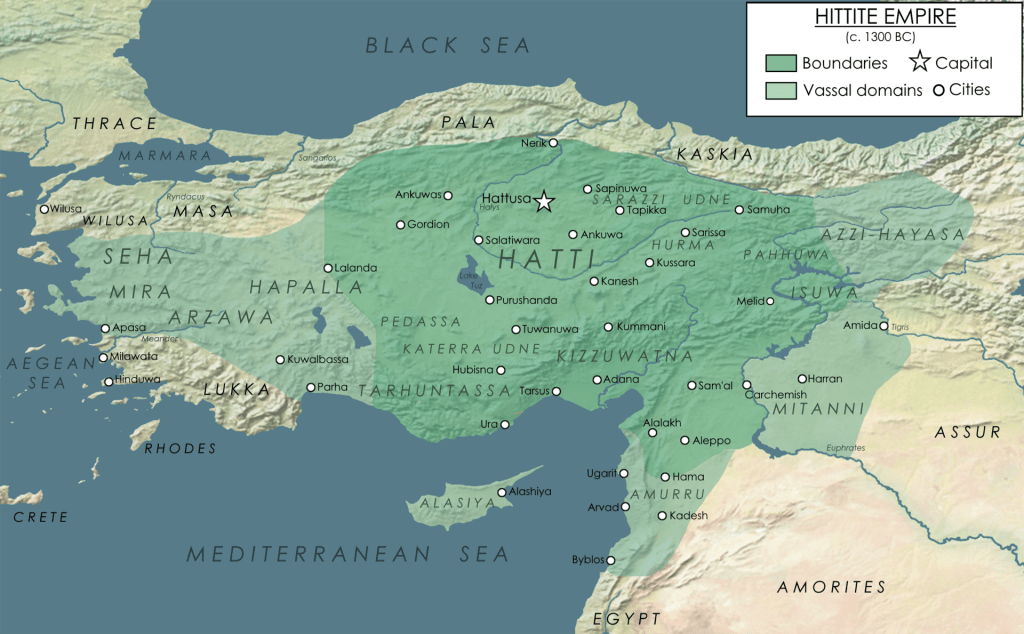
The Hittites were skilled diplomats and negotiators, best known for the Treaty of Kadesh with Egypt around 1259 BCE. This treaty, one of the earliest recorded peace agreements, showed the importance of alliances, negotiation, and formalized diplomacy in maintaining stability. The Hittites also pioneered chariot warfare, which allowed them to compete with larger armies in the region. Map-based activities work well here. Students can trace Hittite campaigns, Egypt, and neighboring states to understand how geography influenced military strategy and diplomacy.
Language, Rediscovery, and Legacy
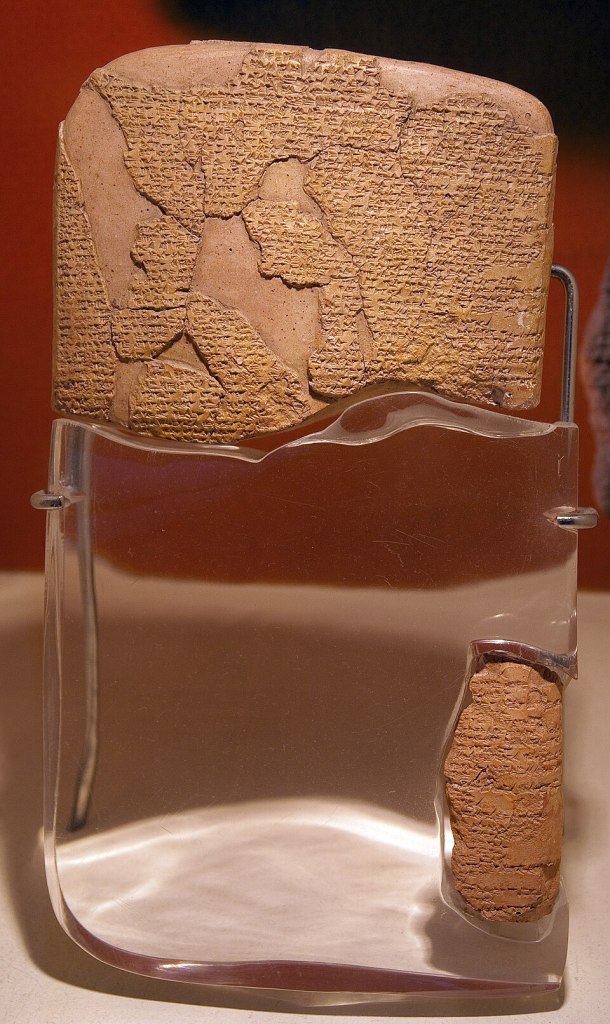
The Hittites spoke an Indo-European language that was unknown to scholars for centuries. They disappeared around 1200 BCE, likely due to a combination of internal collapse and the broader Bronze Age collapse that affected much of the Near East. Their cities and texts were largely forgotten until 19th- and 20th-century archaeologists uncovered their ruins and deciphered their cuneiform tablets. Rediscovery of Hittite texts reshaped our understanding of the ancient Near East, showing that empires outside Egypt and Mesopotamia were also highly influential. You can use Hittite primary sources and and ask them how scholars might go about deciphering them. This helps students connect to the process of historical discovery.

Why the Hittites Matter in Social Studies
Although often overlooked, the Hittites played a critical role in shaping law, technology, and diplomacy in the ancient world. Their mastery of ironworking influenced military and economic power for centuries. Their legal innovations and diplomatic achievements provided models for later civilizations. And their disappearance and rediscovery remind students that history is always evolving, shaped by both evidence and interpretation. Studying the Hittites encourages students to look beyond the most famous empires to understand the full tapestry of human history.
Recommended Reading
Hittite Law Code – A Hittite summary followed by a numbered list of the law code (laws begin on the fifth page).
Hammurabi Law Code – The preamble followed by a numbered list of the law code.
The Hittites — EBSCO Research Starters – academic background on the ancient Anatolian civilization.
Recommended Resources
Bronze Age Collapse DBQ – Help develop students’ historical analysis and essay-writing skills using primary sources and artifacts.
FREE Student Worksheet: Hittite Law Code vs. Code of Hammurabi Comparison
Ryan Wagoner
The Lyceum of History
“I am indebted to my father for living, but to my teacher for living well.” — Alexander the Great
Follow me on: Blog | TpT | YouTube | X | Instagram | Facebook



Leave a Reply