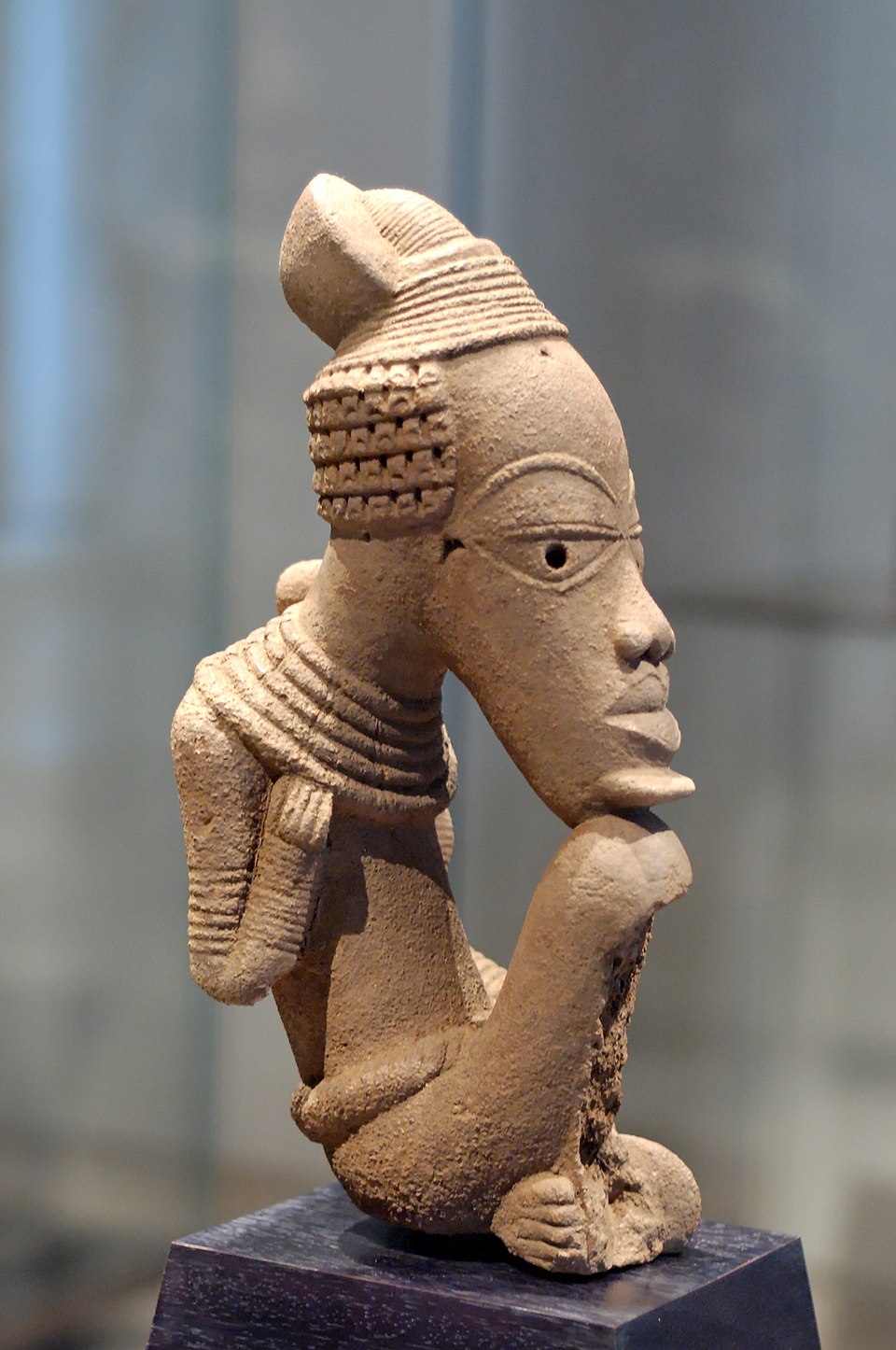
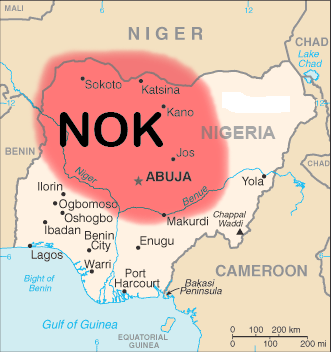
When students study world history, sub-Saharan Africa is often overlooked, yet civilizations like the Nok culture demonstrate early technological and artistic brilliance. Flourishing in what is now central Nigeria from around 1000 BCE to 300 CE, the Nok people were among the first in West Africa to master iron smelting and produce intricate terracotta sculptures. They set the stage for later West African civilizations such as Ife and Benin. Studying Nok offers an opportunity for students to see that innovation and culture were flourishing across the globe, not just in the Mediterranean or Near East.
Free Classroom Resource
Download The Nok: Early Innovators of West Africa Worksheet
This classroom-ready worksheet includes a reading passage, vocabulary practice, comprehension questions, and an answer key.
Early Technological Innovation: Iron Smelting
The Nok were pioneers in iron-working technology. They created tools and weapons that transformed local societies. Their early iron smelting represents one of the first known uses of iron in West Africa and allowed for more efficient farming, hunting, and trade. Teachers can highlight this as a case study of how technology can drive social and economic development. Students could compare iron tools to copper or bronze tools in other regions, analyzing the impact of technological advances. Even today, the materials we use in our tools all have their own story.

Artistic Achievements: Terracotta Sculpture
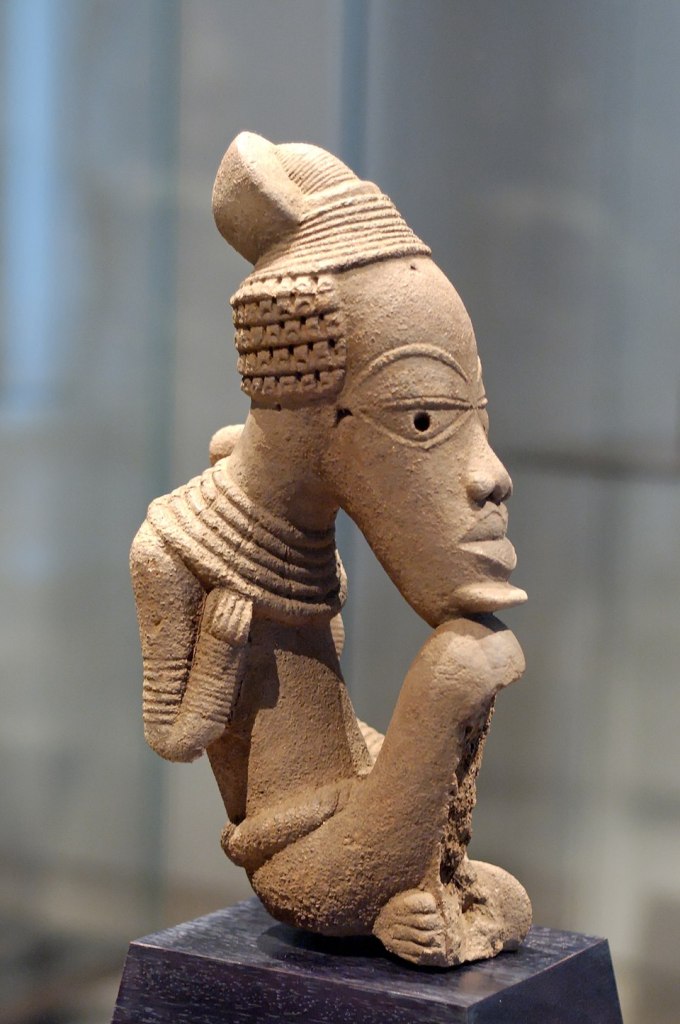
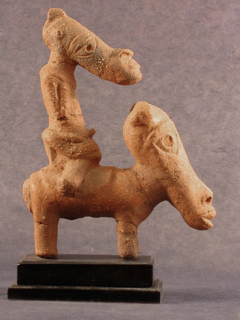
The Nok are perhaps best known for their terracotta sculptures, ranging from human figures to stylized heads and animals. These works are not only artistically sophisticated but also provide insight into Nok society, beliefs, and daily life. Many later West African cultures, such as Ife and Benin, drew inspiration from these artistic traditions. It demonstrates how culture and aesthetics can persist across centuries. Classroom activities could include analyzing images of Nok sculptures and comparing them with later West African art to explore continuity and innovation.
Cultural Influence and Legacy
Though the Nok themselves disappeared as a distinct culture by around 300 CE, their technological and artistic innovations influenced generations of West African societies. From metallurgy to artistic expression, Nok achievements became part of a broader historical legacy that helped shape the region’s identity. Teaching students about Nok challenges the notion that sub-Saharan Africa lacked early technological or artistic development, emphasizing the diverse contributions of “forgotten” civilizations.
Why Nok Matters in the Classroom
Integrating Nok into lessons provides a clear example of historical significance versus historical visibility. Students see that technological innovation and artistic sophistication were not limited to Egypt or Mesopotamia. Teachers can create activities where students map Nok settlements, explore iron-smelting technology, or analyze terracotta sculptures to understand how material culture reflects societal priorities. These lessons highlight the interconnectedness of human achievement and encourage students to value contributions from across the globe.
By studying Nok, students gain a broader, more inclusive understanding of world history, recognizing that some of the earliest technological and artistic accomplishments in sub-Saharan Africa. Nok reminds us that history is a tapestry of diverse cultures whose influence resonates long after their disappearance from the historical record.
Recommended Reading
National Nigerian Museum – a Digital Museum accessible from the museum.ng site, where users worldwide can explore Nigerian cultural heritage online.
Nok – World History Encyclopedia – A well-written summary of the Mitanni kingdom’s history, culture, and significance — great for background reading or student research.
Ryan Wagoner
The Lyceum of History
“I am indebted to my father for living, but to my teacher for living well.” — Alexander the Great
Follow me on: Blog | TpT | YouTube | X | Instagram | Facebook



Leave a Reply