Laying the Foundation
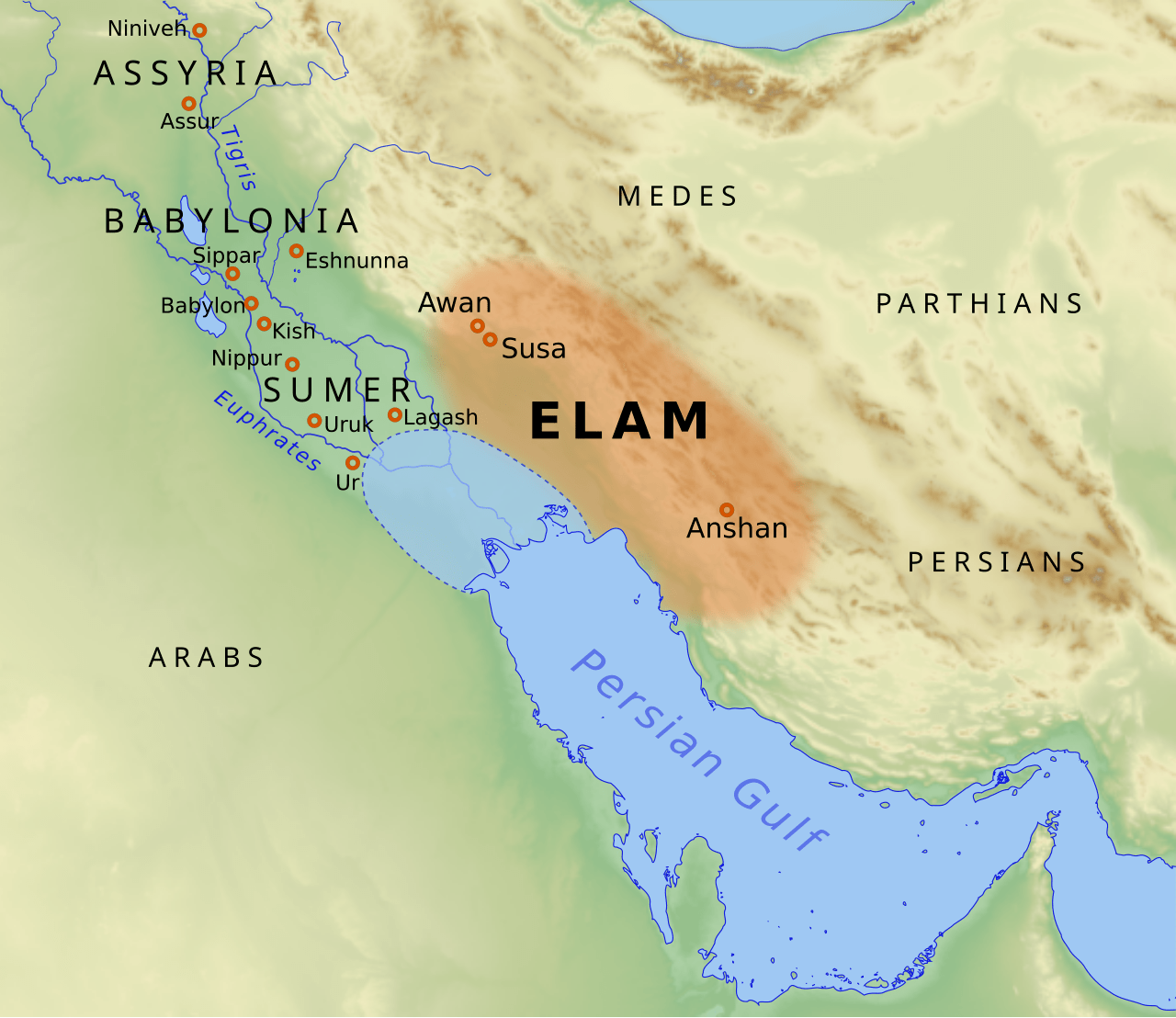
When we think of ancient history, Mesopotamia and Egypt often dominate the conversation, but tucked into southwestern Iran, the Elamite civilization quietly thrived for over two millennia. From early urban centers to innovative bureaucracies and writing systems, Elam played a pivotal role in shaping Mesopotamian culture and laying the foundations for later Persian empires.
Why Elam Is Overlooked
Despite their influence, the Elamites are rarely taught in schools because they were overshadowed by the more famous Mesopotamian empires, whose grand monuments and abundant records dominate the historical narrative. Few Elamite inscriptions survive, their Linear Elamite script is only partially deciphered, and much of what we know comes from the writings of neighboring civilizations. Archaeological focus historically favored headline civilizations like Egypt and Babylon, leaving Elam’s cities and innovations underexplored. By around 539 BCE, when the Persians conquered the region, the Elamites disappeared from the historical record as a distinct political entity, though their cultural and administrative innovations continued to shape Persia and the broader Near East.
Elam’s Urban and Political Innovations
Elam’s cities were more than just population centers. They were hubs of administration, trade, and diplomacy. The Elamite city of Susa became a major political center that connected Mesopotamia with the Iranian plateau. It served as one of the capitals for the Persian Empire. Its importance lasted for thousands of years.
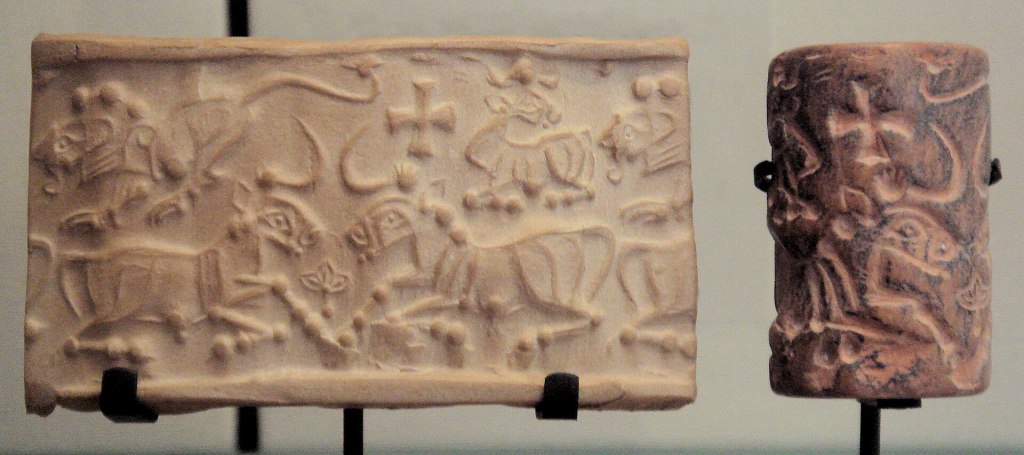
Their political innovations, such as structured governance and record-keeping using Linear Elamite script, another early writing system. They influenced neighboring societies and set the stage for Persia’s rise centuries later.
Classroom Activities Inspired by Elam
A classroom activity could involve students comparing Elamite administrative methods to those of the Babylonians, encouraging critical thinking about how early governance shaped society. You could even have students create “ancient bureaucracy” charts or write letters using a simple code to simulate Linear Elamite, making history tangible and interactive.
Teaching Historical Significance vs. Visibility
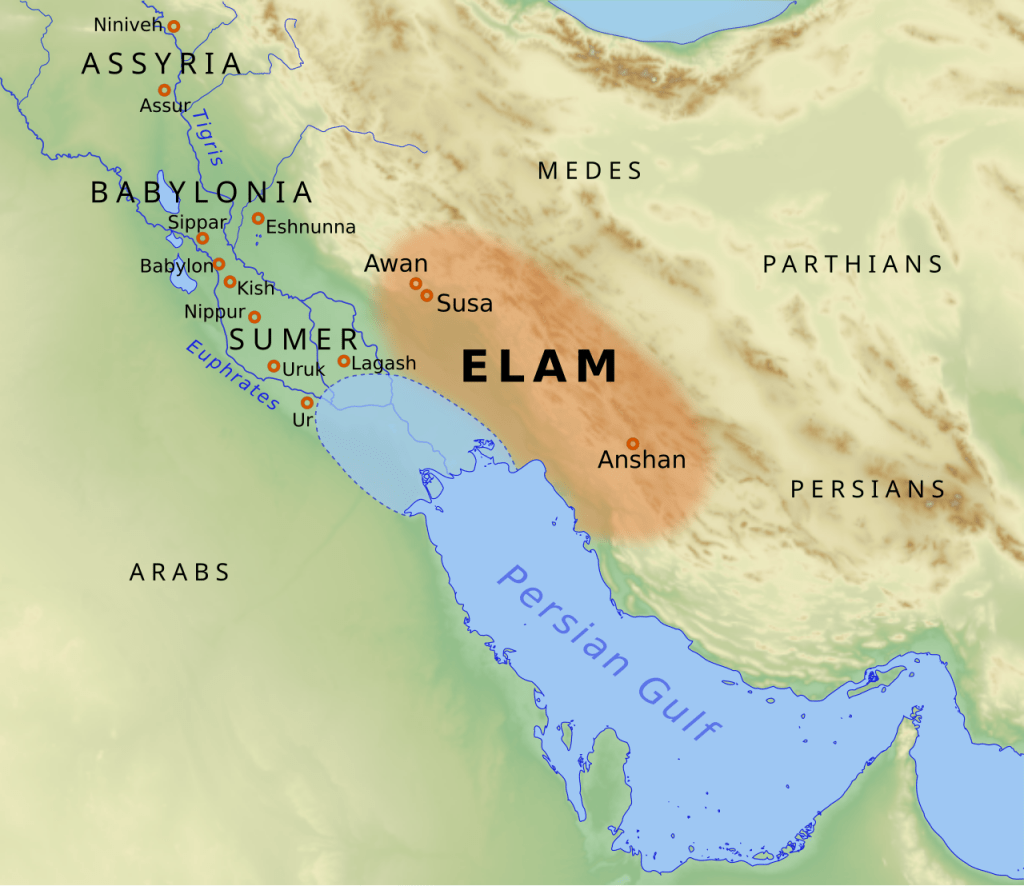
For educators, Elam provides an excellent case study in historical significance versus historical visibility as well as the consequences of conquest. It’s a perfect reminder that civilizations that don’t appear in standard textbooks can still wield enormous influence. A teaching tip: use maps to show Elam’s location relative to Mesopotamia and Persia, then ask students to trace trade routes or cultural exchanges.
The Legacy of Elam
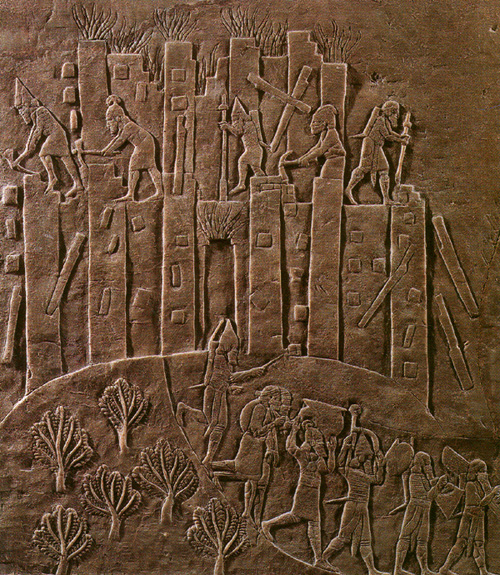
By exploring Elam, students gain a richer, more nuanced understanding of ancient history. They see how innovation, governance, and cultural exchange happen outside the “headline” civilizations and learn to appreciate the complex web of influences that shape our world. History isn’t just about who conquered whom. It’s about who laid the groundwork, often behind the scenes. Integrating Elam into your lessons not only diversifies the historical narrative but also sparks curiosity about the many “forgotten” civilizations whose ideas continue to echo through time.
Recommended Reading
Elam — World History Encyclopedia — A well‑written, teacher‑friendly narrative on Elam’s origins, timeline, and significance.
Ryan Wagoner
The Lyceum of History
“I am indebted to my father for living, but to my teacher for living well.” — Alexander the Great
Follow me on: Blog | TpT | YouTube | X | Instagram | Facebook



Leave a Reply