Introduction to the Bronze Age Collapse
The Bronze Age Collapse was one of the most dramatic periods in ancient history, occurring around 1200 BCE and reshaping civilizations across the eastern Mediterranean and Near East. For social studies teachers, this historical event offers an engaging lesson on the fall of ancient empires, the collapse of trade networks, and the reorganization of political power. Despite its significance, many students and educators know little about this pivotal period. Teaching the Bronze Age Collapse in the classroom allows students to explore cause and effect, systems thinking, and the fragility of interconnected societies, making it a perfect case study for lessons on ancient civilizations, trade, and political change.

Trade and Connections Before the Collapse
In the centuries before the Bronze Age Collapse, the civilizations of the eastern Mediterranean were tightly connected. Powerful empires depended on long-distance trade routes to supply key resources. Goods ranging from textiles and tools to pottery and wheat made their way across a vast trade network. This network went beyond the Eastern Mediterranean, stretching from the Aegean Sea in the west to Afghanistan in the east, and from the Baltic Sea in the north to Nubia in the south.
But of all the items that criss-crossed this network, it was the lack of access to tin that caused the biggest issue, because without tin, you cannot make bronze. This is a great time to have students explore the geography and resources of these civilizations. Teachers could put students in groups to research key regions and map the flow of goods like tin, copper, and grain.
The Collapse Unfolds
Yet despite this level of wealth and interconnectedness, it came to an end relatively quickly. In just a few generations, major empires across the eastern Mediterranean fell apart. Cities burned. Trade stopped. Writing systems disappeared. For students, it feels dramatic. For teachers, it’s a goldmine for teaching cause and effect, systems thinking, and historical complexity.
What Happened to Major Civilizations
Following the Bronze Age Collapse:
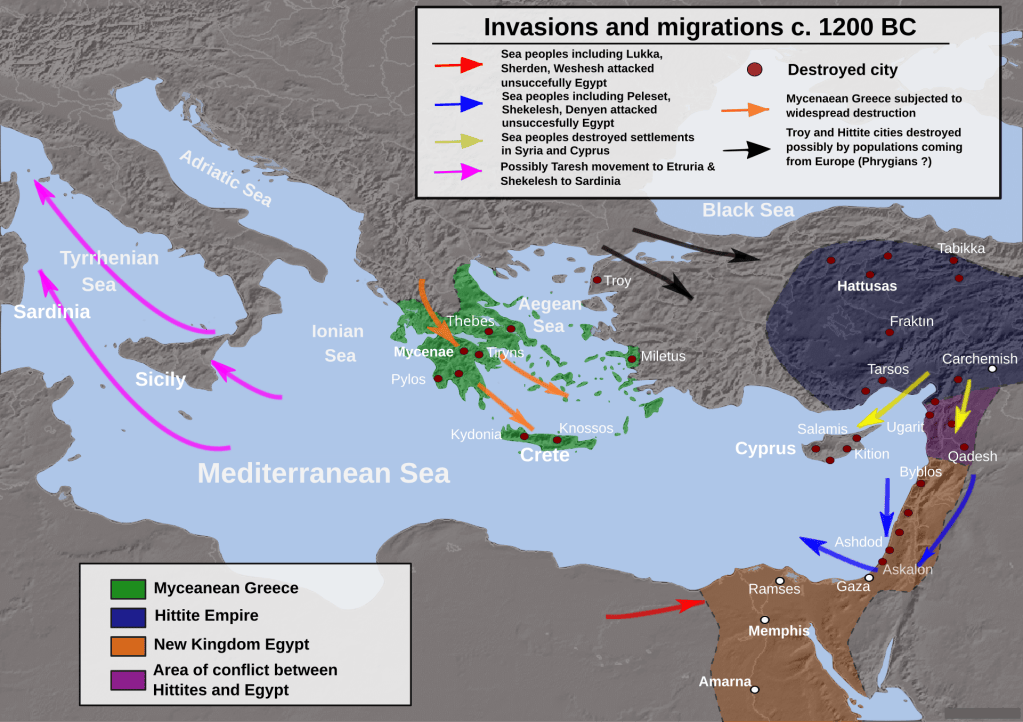
- Hittite Empire (Anatolia): Fell apart completely. Its capital, Hattusa, was burned and abandoned, leaving only smaller Neo-Hittite city-states.
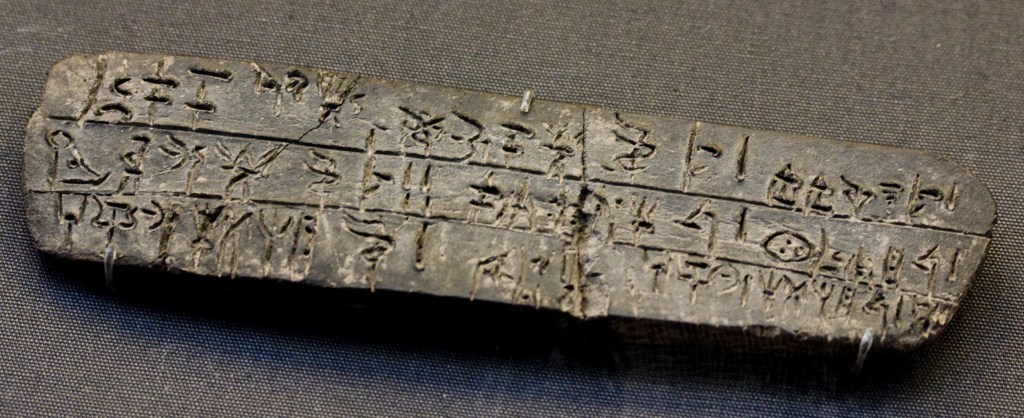
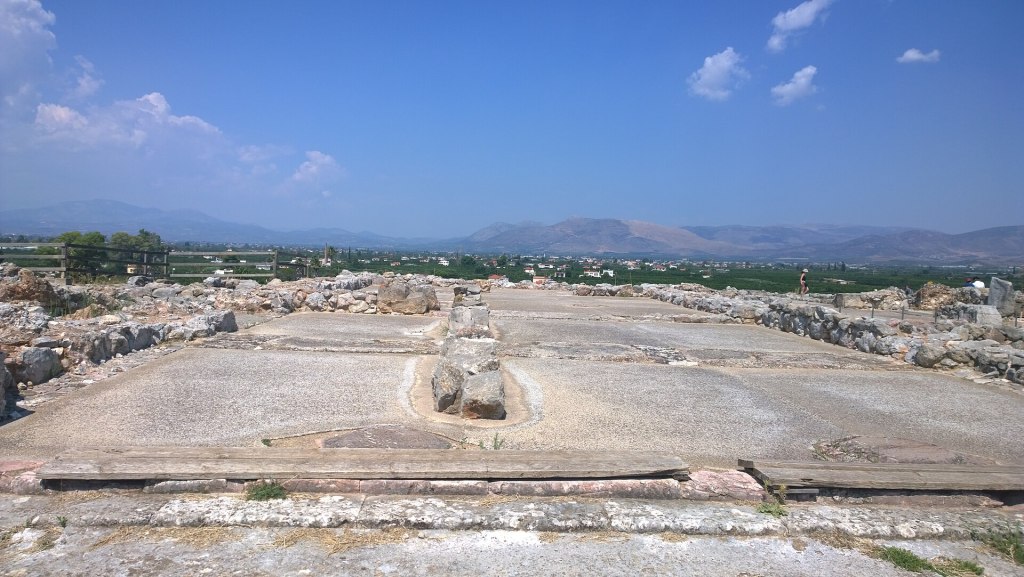
- Mycenaean Greece: Palace centers were destroyed, Linear B writing disappeared, and the region entered a Dark Age.
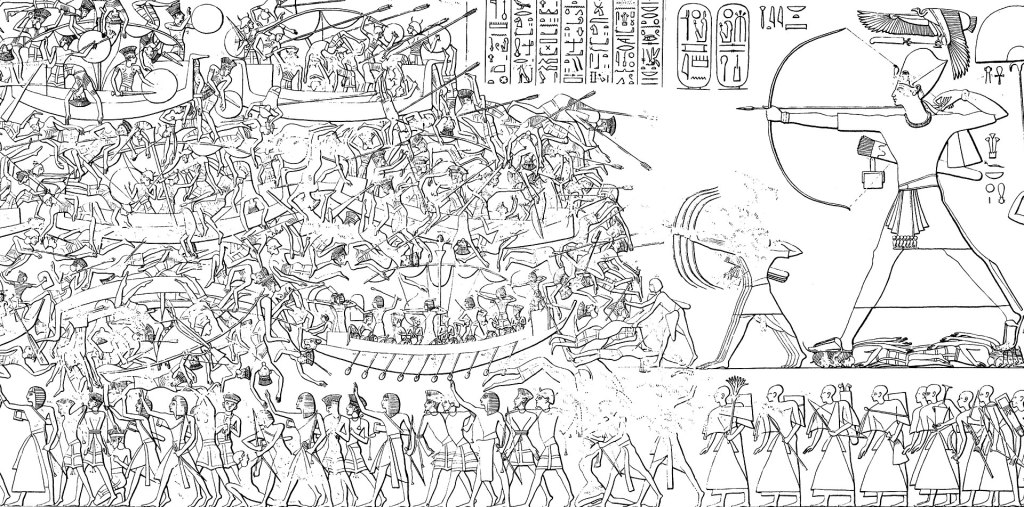
- Egyptian New Kingdom: Survived invasions by the Sea Peoples but emerged weaker and eventually lost its dominance in the eastern Mediterranean.
Causes of the Collapse
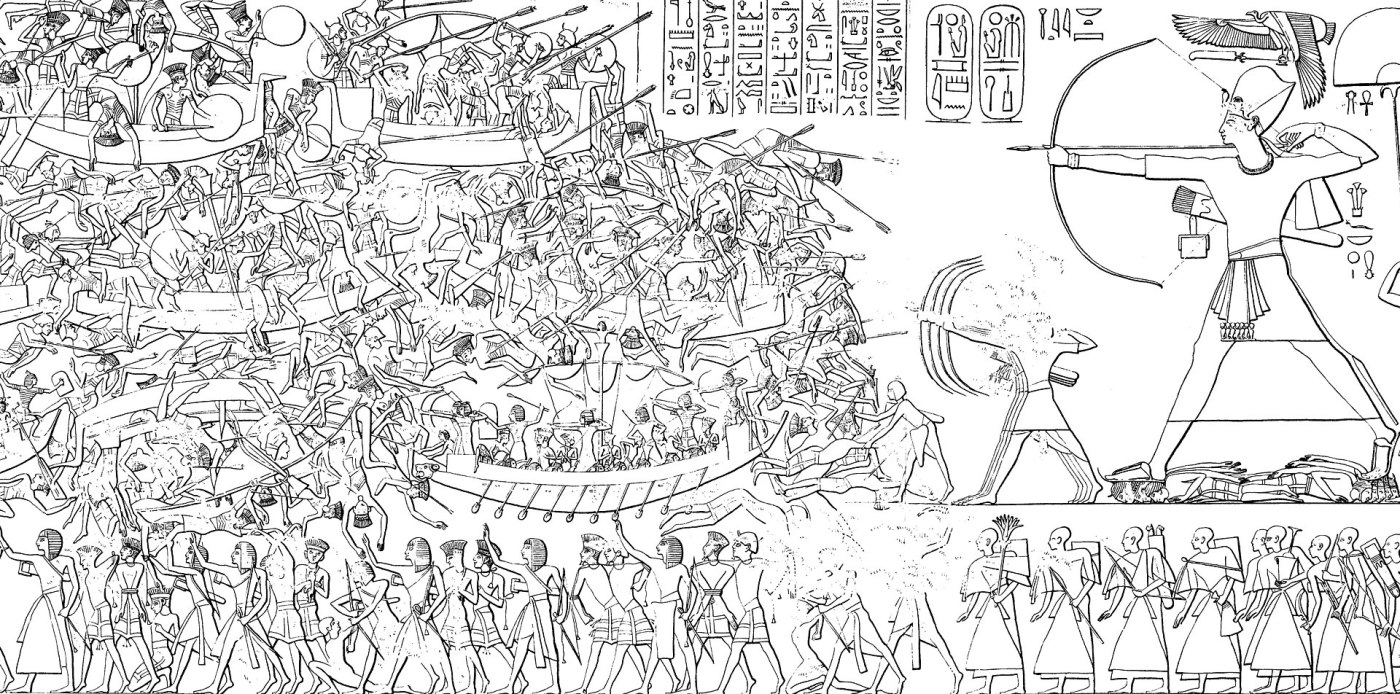
It’s easy to think of the breakdown of trade networks as the sole cause of the collapse, but it’s more nuanced. Kings ruled through centralized palace systems that controlled food storage, labor, and armies. At the same time, populations grew, climate stress likely reduced harvests, and warfare became more common. In addition, a group of people modern historians refer to as the Sea Peoples began migrating into the area, causing significant destruction along the way. At the same time, the fall of Troy and other fortified cities in Anatolia and Greece shows how warfare spread instability across the region. These invasions, combined with existing economic and environmental pressures, created a domino effect that contributed to the collapse of long-standing empires and the breakdown of trade networks.
These pressures built up inside a system that worked well in good times but had little flexibility when trade failed or crisis struck, setting the stage for widespread collapse.
Key cause-and-effect patterns include:
- Metal shortages weakened armies
- Weakened armies led to increased invasions
- Climate changes led to food shortages
- Large empires fractured into smaller, local powers
Teaching Strategies for the Classroom
Teachers can use a variety of hands-on and analytical strategies to make the Bronze Age Collapse engaging:
- Before-and-after comparisons help students see how civilizations like the Hittites, Mycenaeans, and Egyptians changed after the collapse, highlighting patterns of decline and adaptation.
- Role-play simulations allow students to step into the shoes of kings, traders, or farmers, exploring how crises like trade disruptions or invasions affected daily life and decision-making.
- Artifact analysis encourages students to examine bronze tools, weapons, and luxury goods to infer economic connections and social priorities.
- Modern systems comparisons let students see how fragile, interconnected networks—like global supply chains—mirror vulnerabilities in the Bronze Age world.
Using these strategies together helps students understand the collapse not just as a series of events, but as a complex system with causes, effects, and lessons for the present.
Why It Matters
The Bronze Age Collapse offers a powerful window into how complex societies rise, connect, and sometimes fall. It sets the stage for the advent of the iron age. Ultimately, it encourages critical thinking and gives students tools to analyze the interconnected world around them, both past and present.
Recommended Reading
Late Bronze Age Collapse – An academic overview introducing key theories and scholarship on the Late Bronze Age Collapse.
Bronze Age Collapse – General overview of the collapse and the causes and effects it had on history.
Bronze Age Regional Timelines – Free interactive timelines of key events in different regions of the Bronze Age world; very useful for class timeline work.
Recommended Resources
Bronze Age Collapse DBQ – Help students analyze authentic primary sources, evaluate explanations for the Bronze Age Collapse, and develop a structured, evidence-based historical essay.
Ryan Wagoner
The Lyceum of History
“I am indebted to my father for living, but to my teacher for living well.” — Alexander the Great
Follow me on: Blog | TpT | YouTube | X | Instagram | Facebook



Leave a Reply