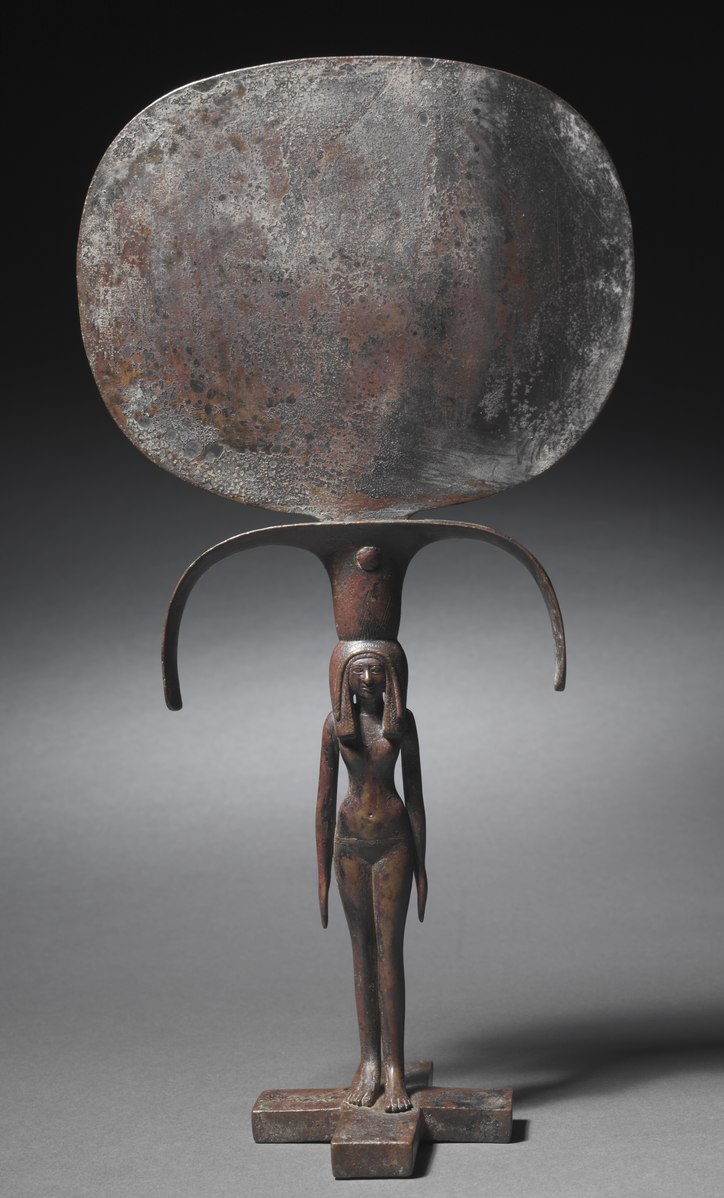
The shift from copper to bronze was so much more than a new metal. It was a turning point in how ancient societies organized power, warfare, and trade. Bronze was harder, more durable, and better suited for weapons and tools. This technological change reshaped daily life and helped some groups gain lasting advantages over others. For social studies teachers, the Bronze Age offers a clear way to show students how technology directly affects power and how access to resources can shape entire civilizations.
Why Bronze Replaced Copper
Copper tools worked well for farming and crafts, but they bent easily and wore down fast. Bronze solved this problem. By mixing copper with small amounts of tin, ancient metalworkers created tools and weapons that were stronger, sharper, and longer-lasting. Who figured this out is forever lost to history, but its effects are not.
This mattered because bronze tools:
- Improved farming tools like sickles and plow parts
- Made more effective weapons such as swords, spearheads, and arrowheads
- Allowed armies to equip soldiers more consistently
- Its resistance to corrosion allowed for better ship components, enabling longer, safer ocean voyages that expanded trade, exploration, and maritime influence.
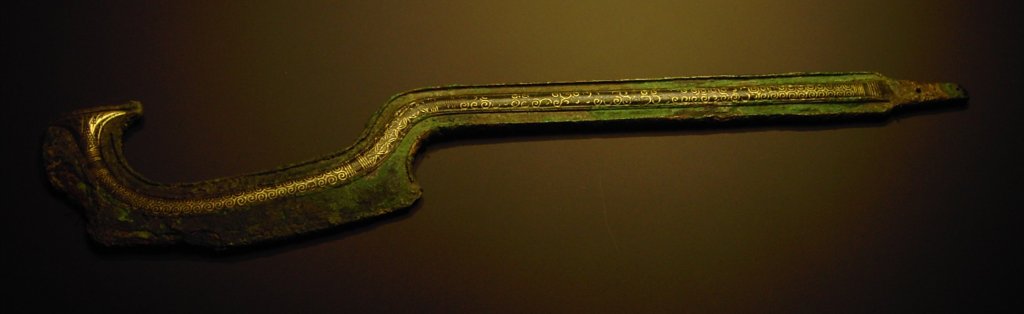
Image by Dbachmann, CC BY-SA 3.0,
In the classroom, students can compare images of copper and bronze tools and quickly see why bronze gave societies an advantage. This comparison helps students understand that technological change is often about efficiency and control, not just invention. You can compare this process to improvements in modern tools. For example:
- Table saws use carbide teeth that stay sharper longer and are less likely to break.
- Cobalt alloy drill bits allow drilling into stainless steel without losing hardness.
Alloying and Its Impact Across Civilizations
Different Bronze Age civilizations adopted bronze in ways shaped by geography and trade.
- Mesopotamia: Cities like Ur depended on long-distance trade for tin, which they lacked locally. Bronze weapons strengthened armies and helped rulers protect trade routes and collect taxes.
- Ancient Egypt: Bronze tools improved agriculture along the Nile and supported large building projects, while bronze weapons helped maintain centralized royal power.
- Indus Valley Civilization: Bronze tools were used for crafts, trade goods, and everyday life. Unlike other regions, there is little evidence of bronze weapons tied to kings or armies, showing that bronze did not always lead to militarized rule.
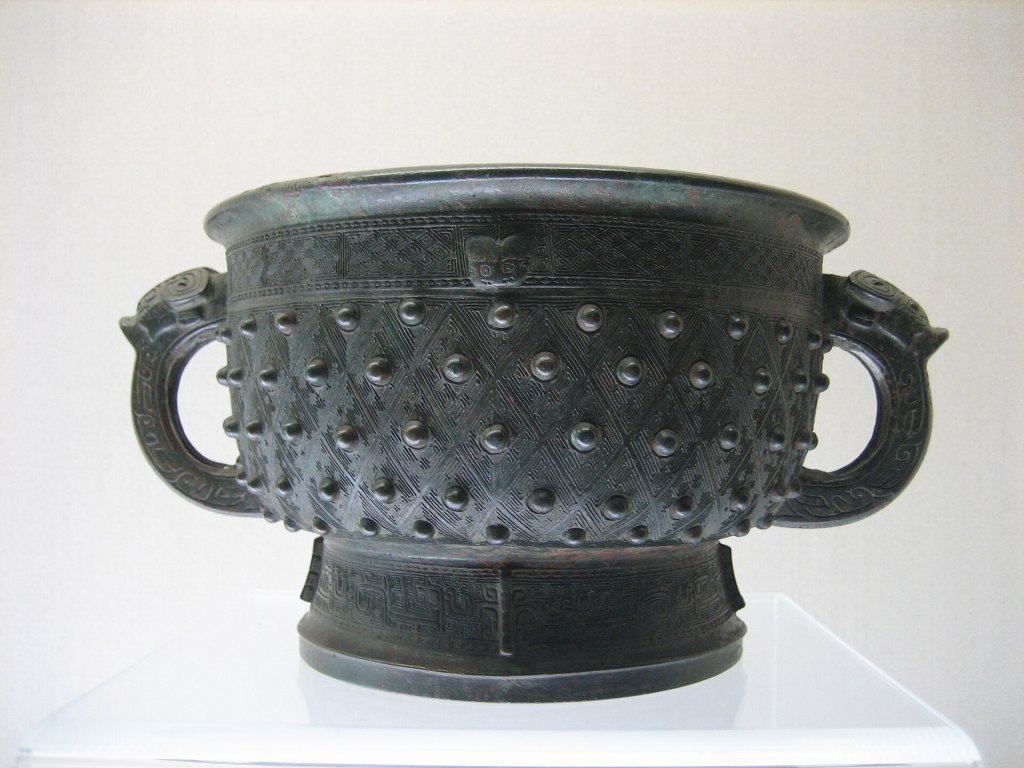
- Shang Dynasty China: Bronze was used not only for weapons, but also for ritual vessels. Control of bronze production reinforced the authority of elites and linked technology to religion and state power.
These examples help teachers show students that the same technology can lead to different outcomes depending on how societies use it.
Who Controlled Bronze and Why It Mattered
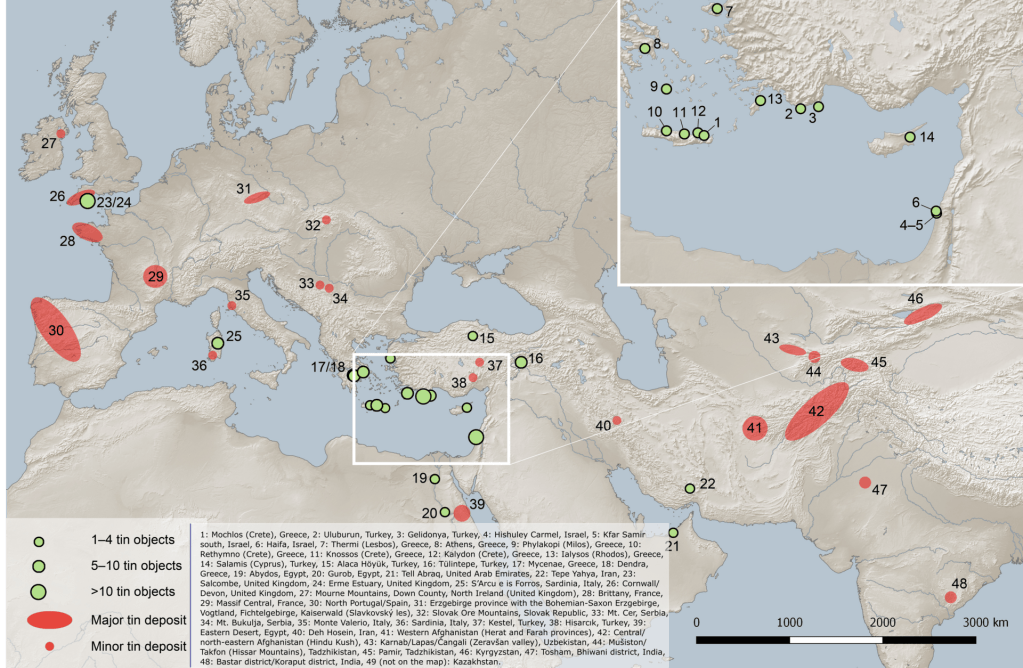
Bronze production required more than skill. It required access to resources. Copper was a resource ancient powers had easier, often home, access to. Tin was rare and often found far from major cities. This made bronze a controlled resource. This control helped create stronger social hierarchies. Those with access to bronze gained power, while others depended on them for tools and protection.
In class, students can trace tin trade routes on a map and discuss why controlling resources leads to political power. This connects ancient history to modern ideas about resource control and supply & demand.
Sources of Tin:
| Civilization / Region | Source of Tin | Notes for Teachers |
| Mesopotamia | Afghanistan (Badakhshan), parts of Central Asia, possibly the Caucasus | Highlight long-distance trade; have students map routes |
| Egypt | Trade routes from western Iran or Anatolia | Discuss dependence on imported resources |
| Indus Valley | Central Afghanistan or Himalayan region | Connect tin scarcity to early trade networks |
| Europe | Cornwall (England), northern Spain | Good example for comparing regional resource distribution |
| China (Shang Dynasty) | Yunnan and other southern deposits | Show how local vs. imported resources affected political power |
Why This Matters for Teachers
The Copper Age showed how early societies learned to use metals. The Bronze Age shows what happens when technology becomes centralized. It can provide the opportunity for compare and contrast activities that emphasize the improvements bronze allowed. You can also tie in cause and effect charts, asking students to look for how technology led to changes in social hierarchy or the need for vast new trade networks to supply the raw materials. A more open ended question might ask who improved the most with the advent of bronze or which society made the best use of the new technology. These questions push students to think critically about progress, power, and economics, skills that go beyond memorizing dates.
Recommended Reading
UNESCO – Map and list of World Heritage Sites connected to Bronze Age history.
PBS – Learning Media Bronze Age resources for educators and students.
Bronze Age Regional Timelines – Free interactive timelines of key events in different regions of the Bronze Age world; very useful for class timeline work.
Ryan Wagoner
The Lyceum of History
“I am indebted to my father for living, but to my teacher for living well.” — Alexander the Great
Follow me on: Blog | TpT | YouTube | X | Instagram | Facebook



Leave a Reply