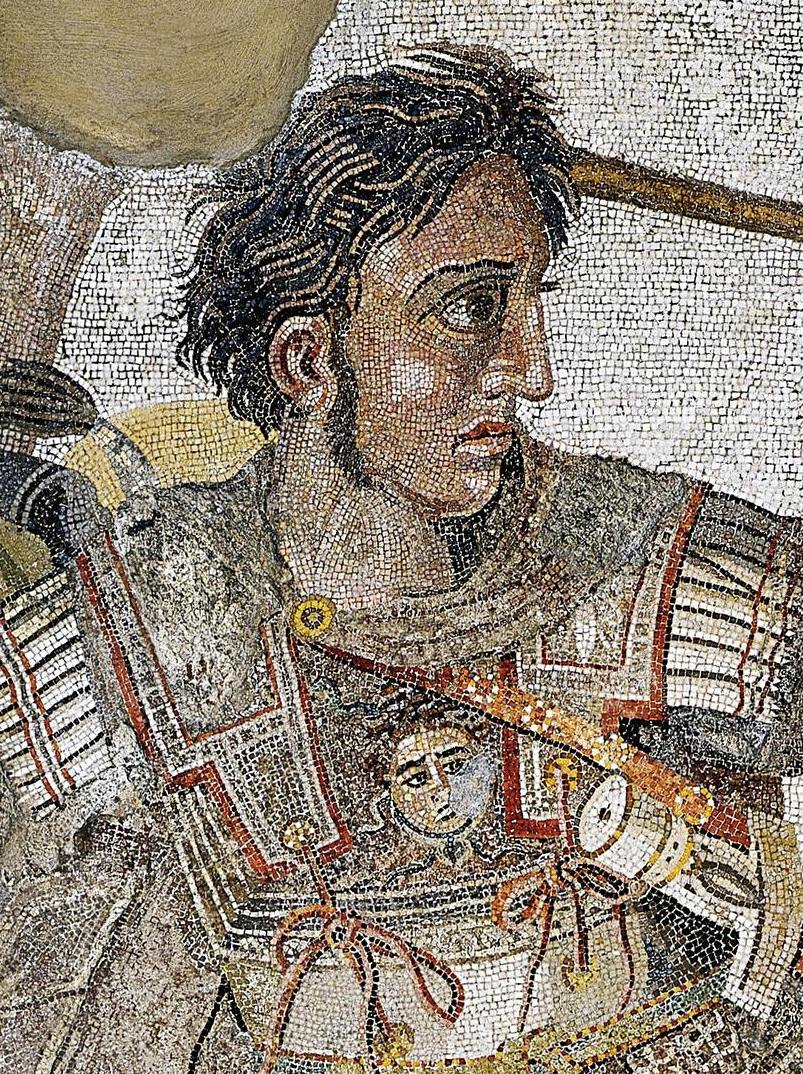
How can the Battle of Gaugamela help secondary social studies students understand shifting power, cultural exchange, and the long-term consequences of conquest? Fought in 331 BCE, the Battle of Gaugamela between Alexander the Great and the Persian king Darius III marked the decisive end of the Achaemenid Persian Empire. This battle offers teachers a powerful case study in historical role reversal, military strategy, and the spread of Greek culture, known as Hellenization, across the ancient world.
A Complete Reversal of the Greco-Persian Wars
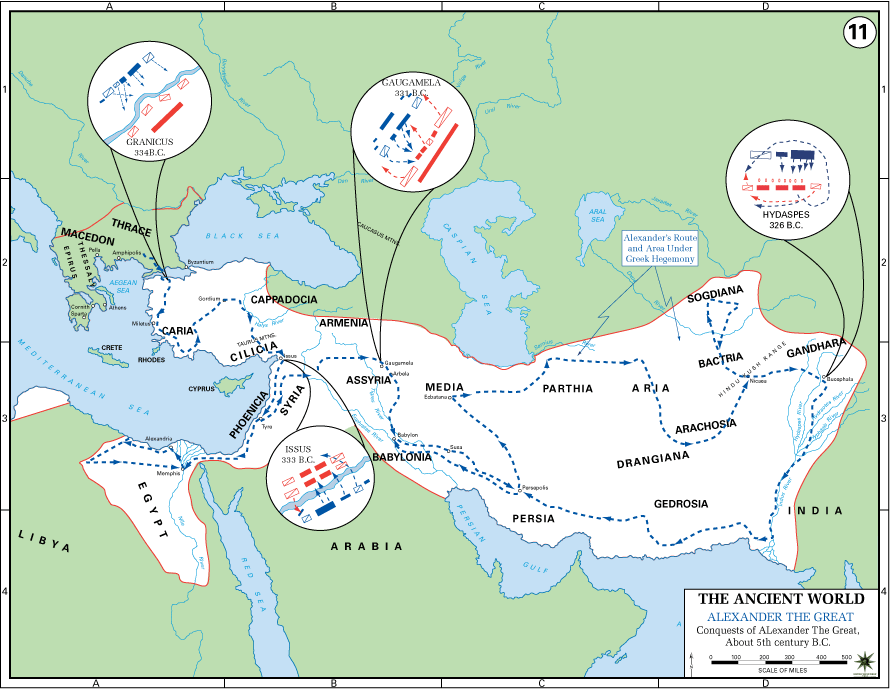
For students familiar with the Persian Wars, Gaugamela immediately feels different. In the fifth century BCE, Greek city-states fought desperately to defend themselves against Persian invasion at battles like Marathon, Thermopylae, and Plataea. By 331 BCE, the roles had reversed. A Greek-led army under Alexander was now invading Persia, fighting deep inside imperial territory.
This reversal challenges students to rethink simple “East versus West” narratives. The Persians were no longer the overwhelming aggressors, and the Greeks were no longer defending their homeland. Instead, Alexander pursued conquest, ambition, and empire. This shift allows teachers to ask an essential question: how and why does power change hands over time?
Strategy, Leadership, and the Defeat of Persia
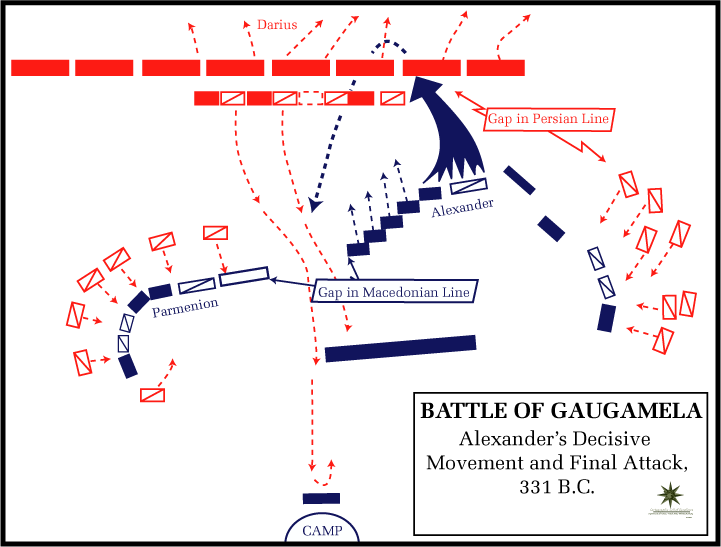
Darius III entered the battle with significant advantages. His army was far larger, drawn from across the Persian Empire, and he chose open terrain well-suited for cavalry and scythed chariots. Alexander, outnumbered and far from home, relied on discipline, coordination, and leadership rather than sheer force.
Alexander weakened his own center intentionally, drawing Persian troops forward. He then led a precise cavalry charge through a gap in the Persian line, aiming directly at Darius. It was at this point the leadership qualities of each side were made plain for all to see. Alexander continued to lead and inspire his troops; meanwhile, Darius fled to avoid capture and his army collapsed. This can serve as a reminder that numbers alone do not guarantee victory.
From Conquest to Cultural Transformation
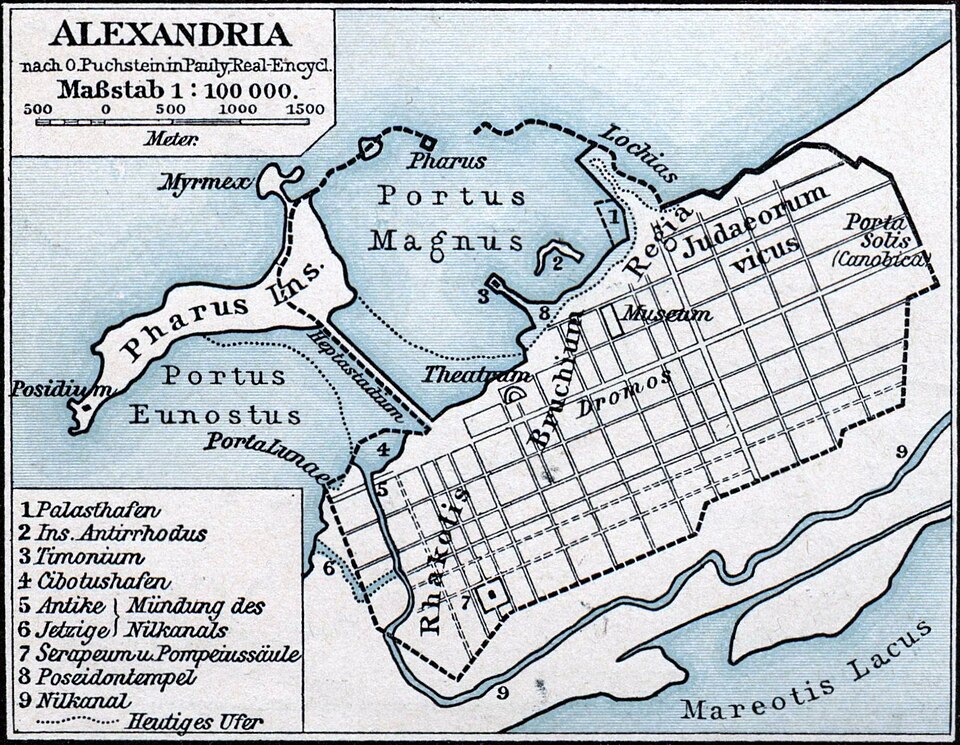
This blending of cultures reshaped Egypt, the Near East, and Central Asia. Greek became the language of administration and scholarship, new cities flourished, and hybrid artistic and religious traditions emerged. Students can trace how this cultural fusion influenced everything from philosophy and science to urban planning and trade networks.
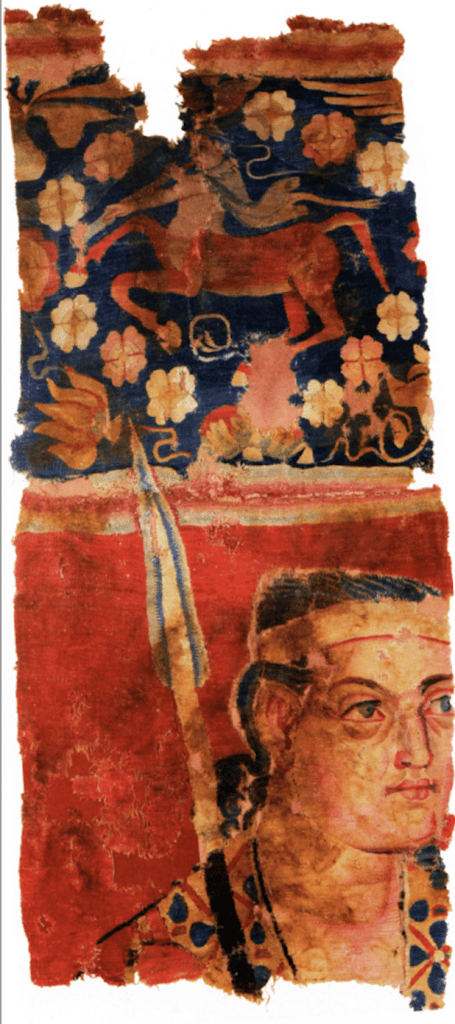
The consequences of Gaugamela extended far beyond military victory. With Persia defeated, Alexander gained control of the largest empire the world had yet seen. While he did burn Persepolis, in response to the Persian destruction of Athens nearly 150 years prior, he paved the way for a fusion of cultures. His marriages to Persian women were deliberate political acts to integrate Greek and Persian cultures and solidify his rule over his vast new territory. The cities he founded in his wake would serve as outposts of Greek culture spreading from Egypt to the Indus Valley and beyond.
Classroom Applications and Discussion
Gaugamela offers so many angles for history teachers to explore with their students. The scale of Alexander’s conquest offers several extensions into geography and cultures. Military tactics can be analyzed for their effectiveness. The construction of a timeline can trace the history between Greece and Persia through the centuries and allow students to see history as more than isolated events. The angle with the most extensions is the effects of Hellenization on the Near East. Discussion questions practically write themselves: Was Hellenization a form of cultural enrichment or cultural domination? How did Alexander’s choices shape the world that followed? Why does unity and leadership matter in moments of transition?
The Battle of Gaugamela reminds students that history is not static. Former defenders can become conquerors, empires rise and fall, and cultural exchange follows long after the dust of battle settles. Few battles better demonstrate how military decisions can reshape civilizations for centuries to come.
Recommended Reading
Battle of Gaugamela – Encyclopedia Britannica
Gaugamela (331 BCE) – Livius.org
The Hellenistic World of Alexander the Great – World History Encyclapedia
Classroom Resources (optional)
The Hellenistic Age — This ready-to-use lesson helps students understand the impact of Alexander the Great and the Hellenistic Age, without adding to a teacher’s planning load.
Empire of Alexander the Great Interactive Map — An interactive map activity that helps teachers reinforce students’ geographic understanding of Alexander’s empire through digital or print exploration.
Reader’s Theater – Alexander the Great — A reader’s theater script that engages students with Alexander’s story while building comprehension and speaking skills.
Battles of Alexander the Great — A classroom poster that supports teachers in guiding students through the key battles of Alexander’s campaigns with clear context and analysis.
Ryan Wagoner
The Lyceum of History
“I am indebted to my father for living, but to my teacher for living well.” — Alexander the Great
Follow me on: Blog | TpT | YouTube | X | Instagram | Facebook



 Lyceum of History
Leave a comment