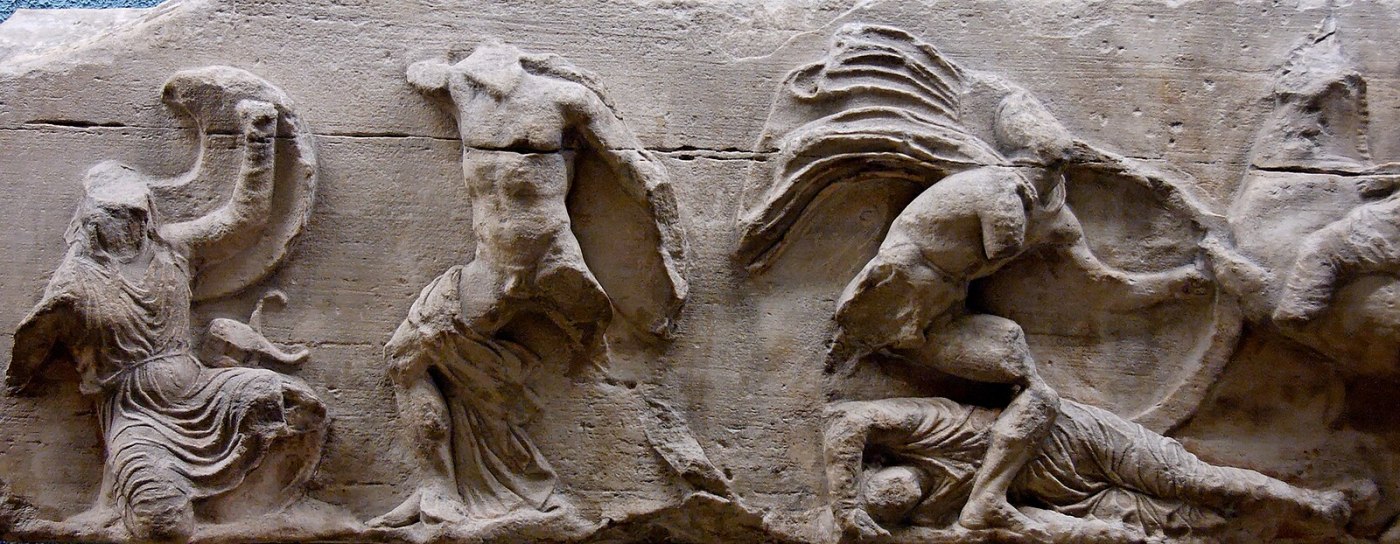
Battle of Plataea: Greek Unity, Strategy, and Victory for the Classroom
How did the coalition of Greek city-states finally defeat the mighty Persian Empire on land? The Battle of Plataea in 479 BCE offers secondary social studies teachers an exciting case study in strategy, coalition-building, and the importance of unity. This decisive battle ended Persian land ambitions in Greece, secured Greek independence, and lifted morale across the Greek world. For classroom exploration, students can compare and contrast Greek and Persian strategies, connect previous battles through a timeline, and debate why unity was essential to success.
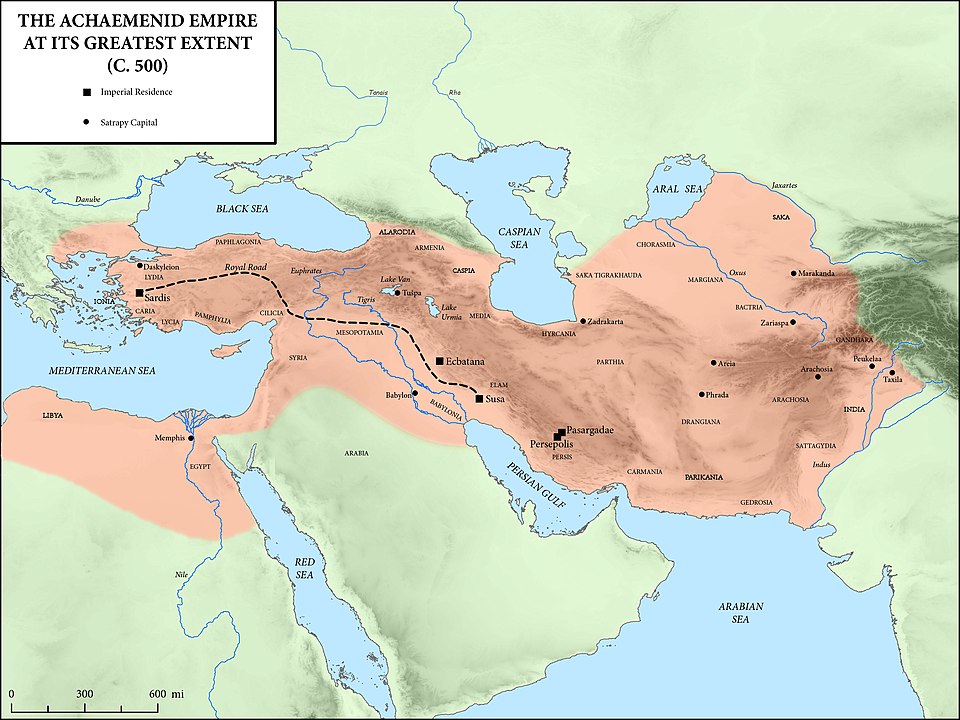
The Final Clash of the Persian Wars
After years of back-and-forth battles, including Thermopylae and Salamis, the Persian army sought to crush Greek resistance once and for all. The Greek city-states, remembering the lessons of past defeats and victories, formed a coordinated coalition under Spartan and Athenian leadership. While the Persians relied on overwhelming numbers and traditional formations, the Greeks leveraged combined strategies, disciplined hoplite phalanxes, and intimate knowledge of the terrain. Plataea became the stage for the final showdown on Greek soil. In many ways, it resembles the Battle of Yorktown in the American Revolution.
Coalition Strategy and Execution
At Plataea, Greek forces, numbering roughly 38,000, faced a Persian army of possibly 70,000. Leadership and planning were critical. Spartans coordinated heavy infantry assaults, Athenians provided tactical flexibility, and other city-states contributed troops with specialized skills. The Greeks used their unity to exploit Persian weaknesses, focusing on breaking the enemy’s center while protecting their flanks. Students can analyze how combining forces with different strengths can achieve results far beyond what any single group could accomplish alone.
Impact on Greek Independence and Morale
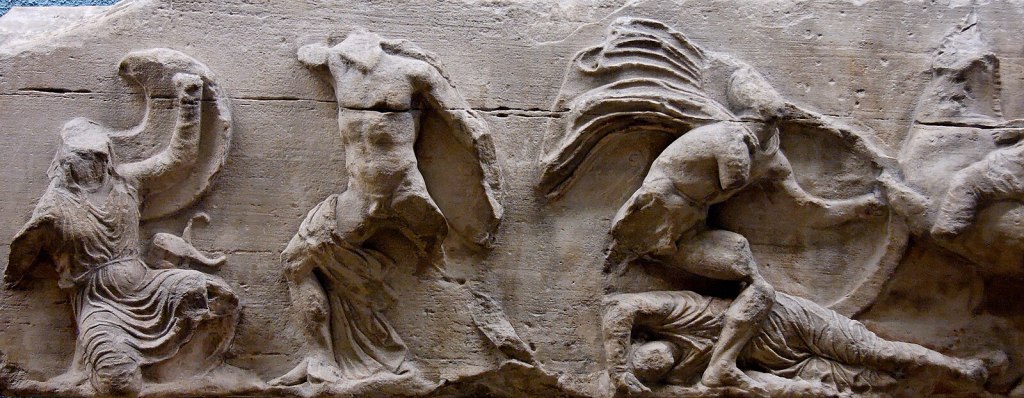
The victory at Plataea decisively ended Persian land invasions in Greece. Morale soared across the city-states, strengthening political and military cooperation. Plataea illustrated how previous losses and lessons from Thermopylae, Artemisium, and Salamis shaped Greek strategy and contributed to ultimate success. Teachers can have students create timelines linking all major battles of the Persian Wars, showing cause-and-effect relationships and the cumulative impact of strategic decision-making. Teachers can pose the questions, “Why does unity matter?” and have students debate scenarios from the Greco-Persian wars and today. These activities encourage critical thinking, strategic analysis, and understanding of the broader lessons history provides beyond the battlefield.
Recommended Reading
Battle of Plataea — Encyclopedia Britannica (general overview and significance)
Battle of Plataea — World History Encyclopedia (detailed narrative and strategy)
Recommended Resources
Greco-Persian Wars Reader’s Theater — Script + Fluency & Discussion Questions
Ryan Wagoner
The Lyceum of History
“I am indebted to my father for living, but to my teacher for living well.” — Alexander the Great
Follow me on: Blog | TpT | YouTube | X | Instagram | Facebook



Leave a Reply