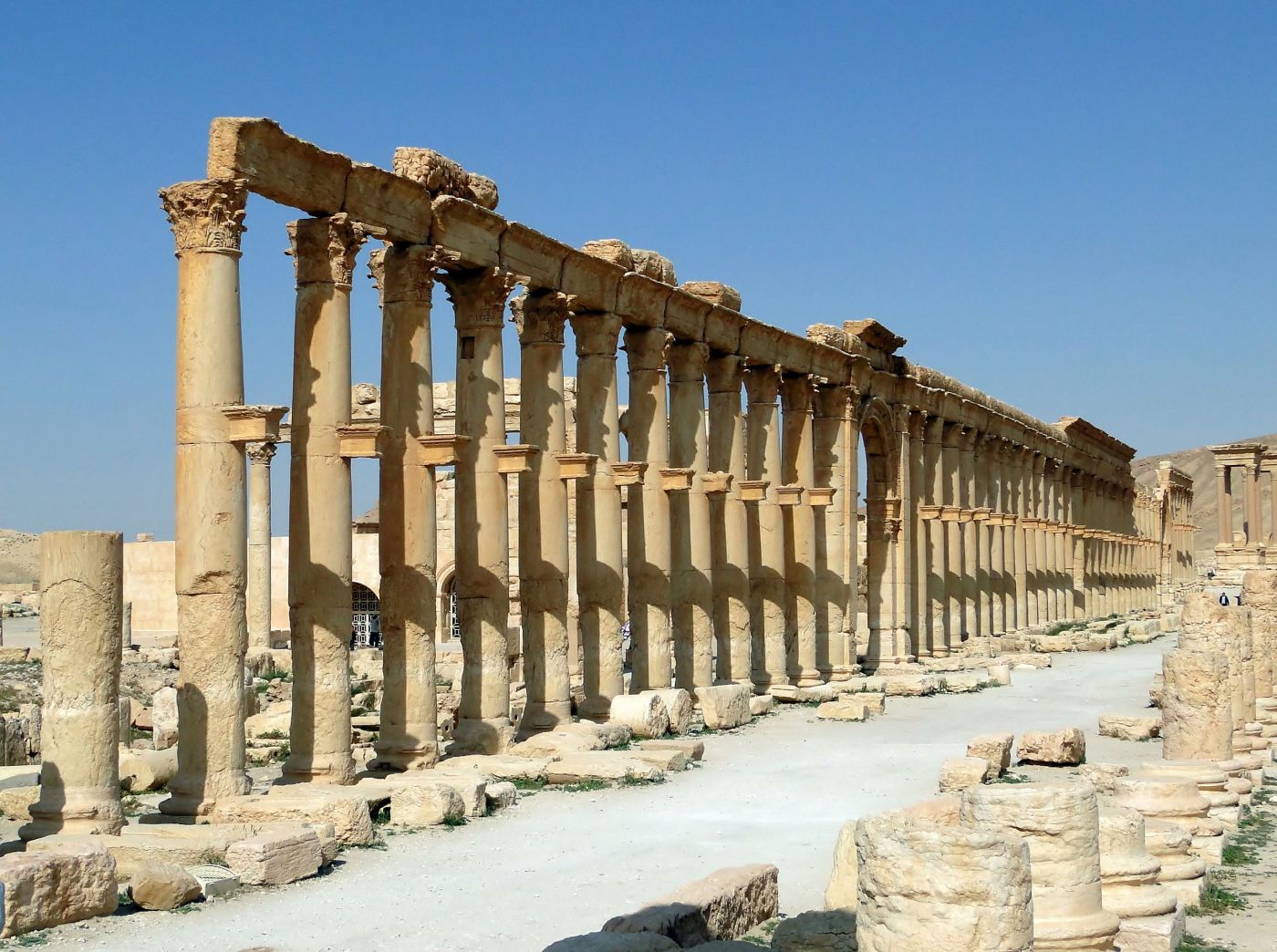
Cities Where Cultures Meet
How can exploring daily life in ancient border cities help students understand cultural exchange and globalization? When we think of the Roman–Persian frontier, images of armies, emperors, and shifting borders often come to mind. Yet the most meaningful cultural blending happened far from battlefields and palace halls. It took place in markets, workshops, caravan stations, temples, and ordinary homes throughout the region. The frontier was not a hard line between two empires but a vibrant corridor where people lived, traded, worshipped, and created, blending Greco-Roman, Persian, Armenian, Arab, and local traditions.
In these frontier cities, cultural exchange wasn’t an abstract diplomatic concept. It was daily life. It is here we can show students how cultural diffusion takes place. It’s not far off in the halls of Congress or in the board room of fortune 500 companies. It’s through the everyday interactions, through countless interactions, we all engage in that change us and those around us.
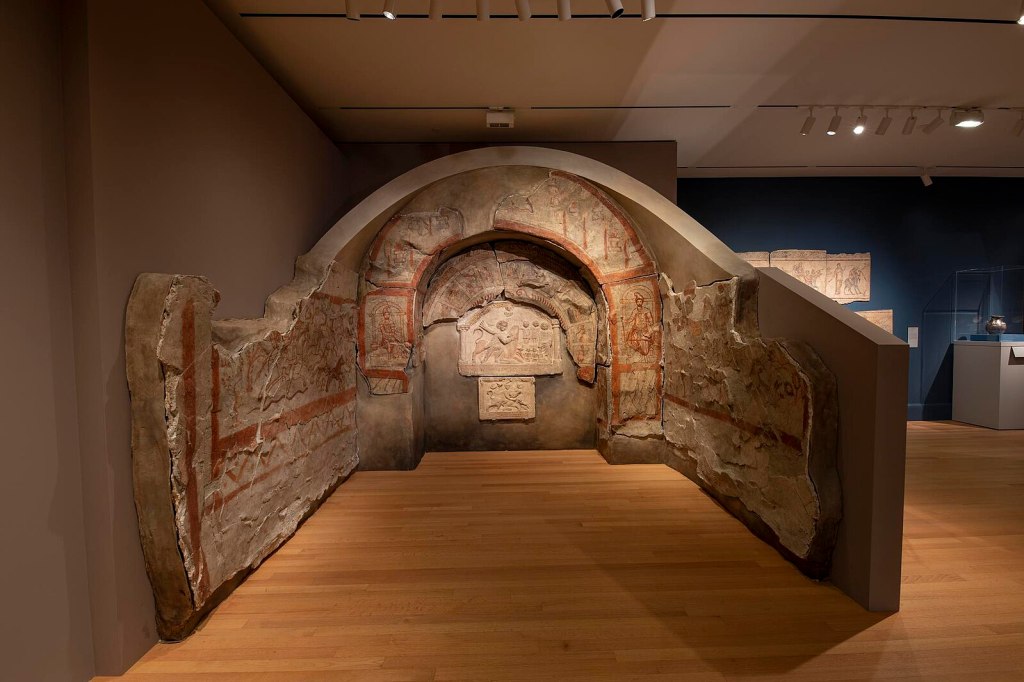
Frontier cities like Nisibis, Dura-Europos, Hatra, and Bishapur blended architectural traditions in ways you can still see today.
Architectural Mixing: Stone, Stucco, and Style
Dura-Europos (modern Syria), was a Roman garrison town. It featured Greek-style temples, Roman military barracks, and a Persian-influenced palace complex, all within a few city blocks. Archaeologists even found wall paintings that show Roman soldiers painted in the bold lines and color palette typical of Parthian/Persian art. A perfect visual fusion of two worlds. We can show our students the same architectural blending in our own time. Many common American homes reflect cultural blending that is still visible today: Cape Cod style houses trace back to English settlers, ranch-style homes in the Southwest draw on Spanish and Mexican traditions, and row houses in cities like Philadelphia and Baltimore show European influences adapted to urban life.
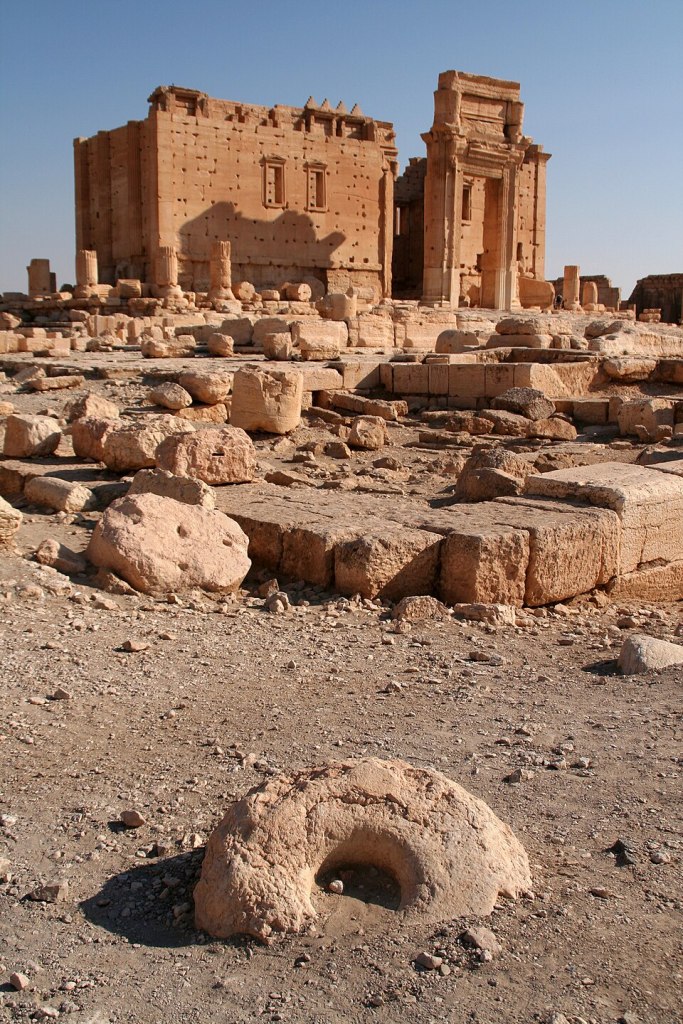
The Temple of Bel at Palmyra blends Greco-Roman architectural forms, such as Corinthian columns, with Near Eastern religious traditions, reflecting Palmyra’s role as a cultural and commercial crossroads between the Roman and Persian world. Public Domain
Markets: Where Blending Was Most Visible
If architecture shows long-term blending, markets show everyday blending. Merchants traveling between the Mediterranean, Mesopotamia, and the Persian Gulf brought Roman glassware, Persian textiles, Arab incense and spices, Armenian metalwork and Silk from Central Asia. Each caravan route was a conduit, not just for goods, but for the stories and ideas that came from the peoples who brought them. In our modern world, it doesn’t take long to look around your house and see products made in another country. We can spot products ranging from clothes to electronics to furniture and more. Students can buy jerseys from athletes from all over the world. Listen to artists from all over the world. You get the idea. There are so many tangible ways to help students make these connections.
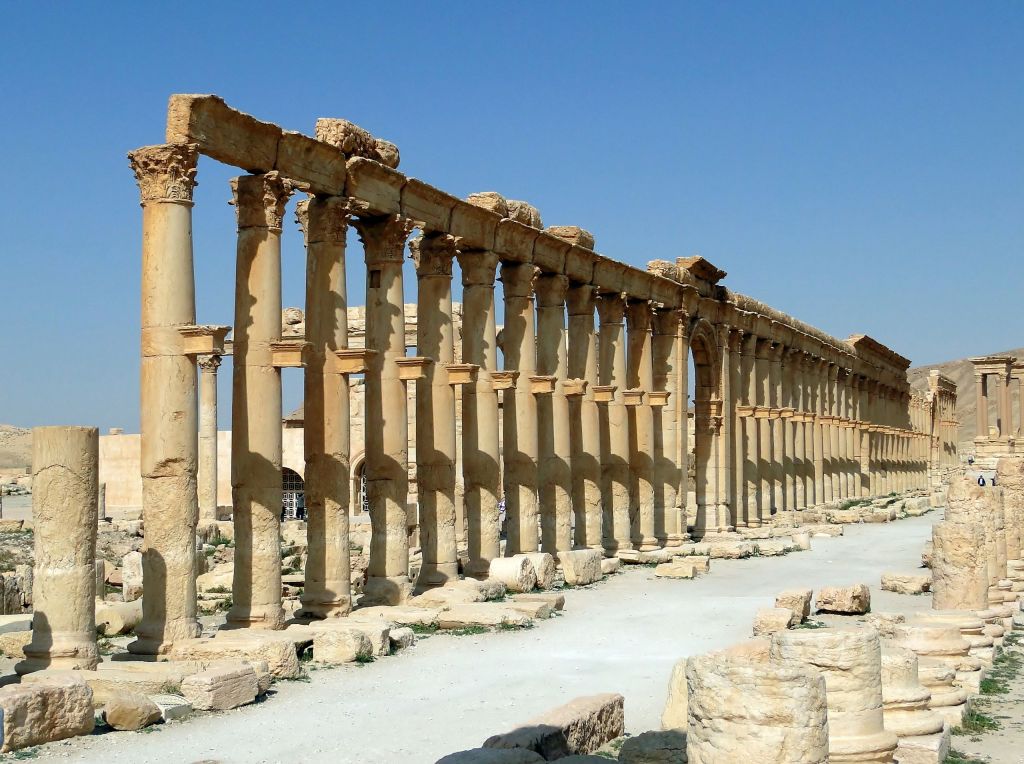
Image: Palmyra 01, photograph by Bernard Gagnon, via Wikimedia Commons (CC BY-SA 3.0).
Why It Matters
Sadly, the instability in the region has led to severe damage to priceless locations from antiquity. Now, more than ever, we as history teachers need to help students understand that preserving history and culture is challenging work. When we lose something from the past, we lose part of what that culture has to tell us about ourselves. By zooming in on daily life, we see cultural blending not as grand historical forces but as human adaptation, creativity, and coexistence. The Roman–Persian frontier was never simply a contested border. It was a rich, textured, multicultural landscape, shaped less by armies than by artisans, merchants, children, storytellers, and families who crossed cultural boundaries every day. It was in the lives of the ordinary people where we see the real legacy of cultural exchange. It is from here we can walk our students through the effects human interactions have and will continue to play a role in our history and in our lives. Here’s to hope that preservation efforts will continue and awareness of the needs of the region.
Ryan Wagoner
The Lyceum of History
“I am indebted to my father for living, but to my teacher for living well.” — Alexander the Great
Follow me on: Blog | TpT | YouTube | X | Instagram | Facebook



 Lyceum of History
Leave a comment