A Culture of Blending, Borrowing, Innovating
How can studying ancient trade cities help students understand the ways cultures influence one another? Modern brands like Coke, Disney, Netflix, and Amazon show that cultural exchange is never one-way. Ginger-flavored Coke, first launched in Australia, became wildly popular in China. Disney adapted One Thousand and One Nights, drawing on Middle Eastern, Persian, Turkic, and Indian influences to create Aladdin. Streaming platforms like Netflix and Prime curate content differently in each region, reflecting local tastes. These modern examples help students recognize similar patterns in the past: trade, travel, and cultural contact have always shaped how people live, create, and interact. Understanding ancient trade cities begins with seeing exchange as a dynamic, two-way process.
The Nabataean world that emerged in ancient Petra was just as wealthy culturally as it was financially. They didn’t just borrow the artistic styles, languages, and commodities they traded. They adapted them to meet their needs and in the process, enriched their culture and the cultures they came into contact with. Once you begin to point out the patterns, it’s easy to start connecting the dots.
Art and Architecture
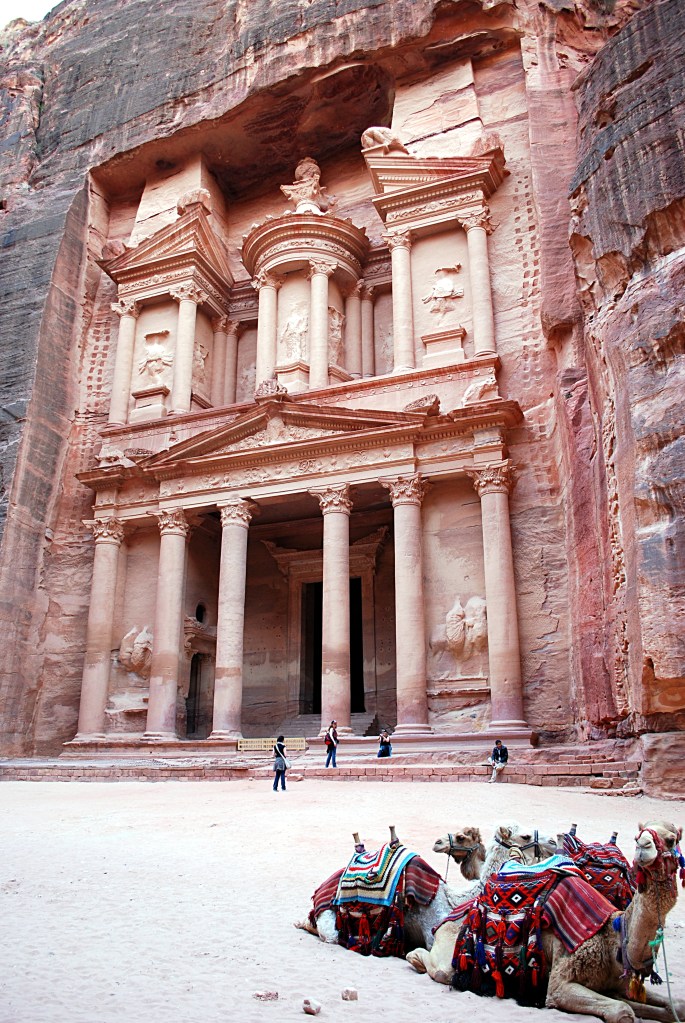
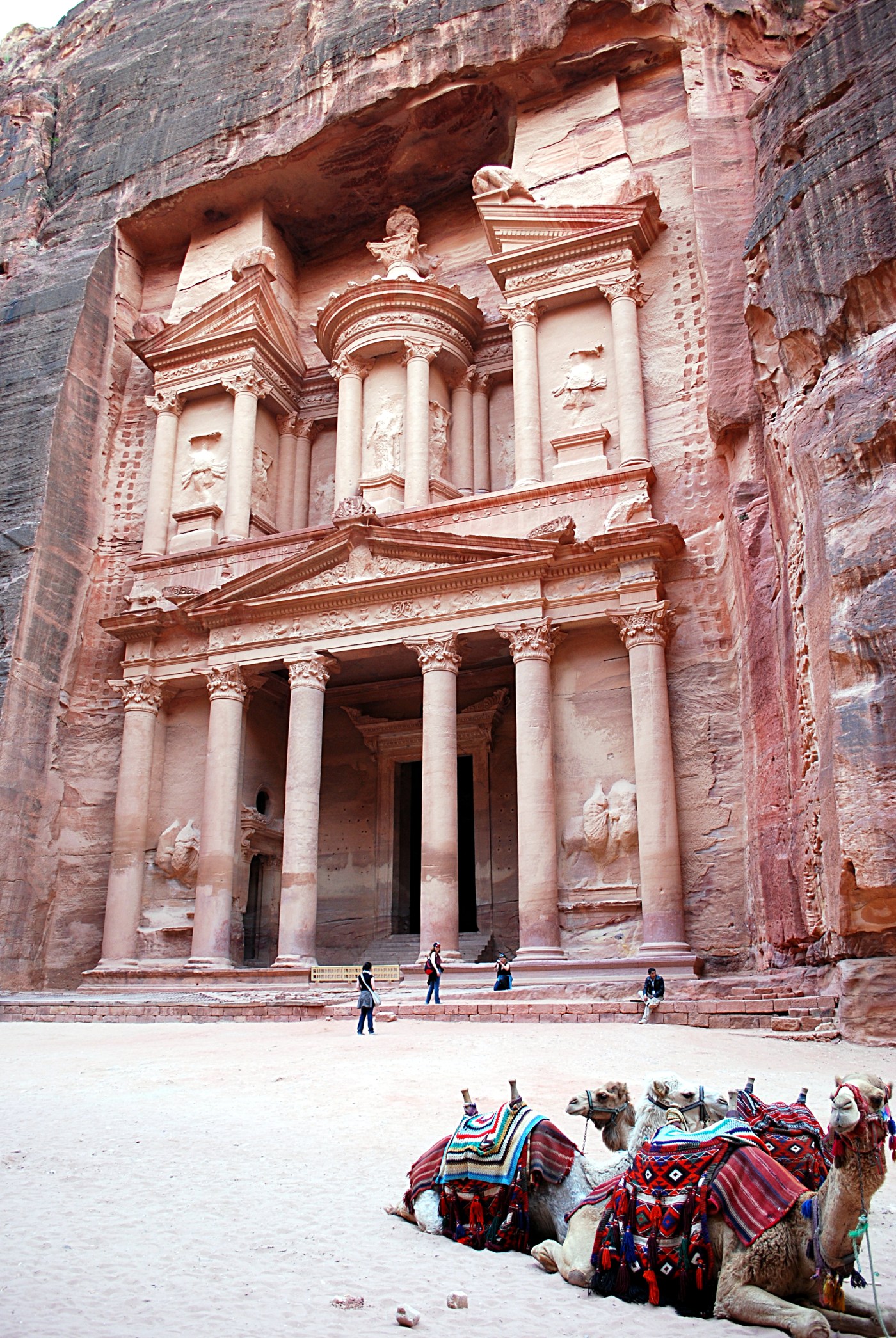
They used Greek and Roman features like columns and carved fronts but shaped them directly into sandstone cliffs instead of building with marble. They also mixed in various symbols and local Arabian religious designs. Instead of copying these styles exactly, they blended them to fit their own beliefs, materials, and desert setting. This mix created a look that showed they were connected to the wider world but still had a strong identity of their own.
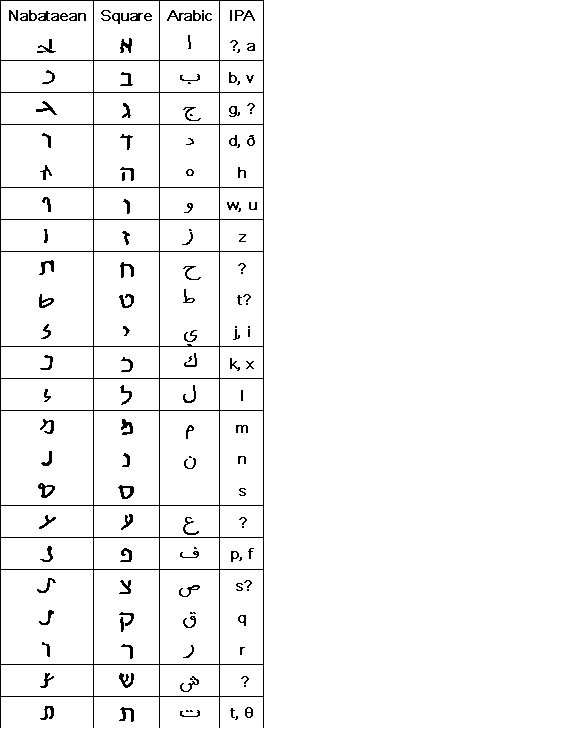
The Nabataeans spoke a dialect of Arabic in everyday life, but for writing, especially inscriptions, official and commercial records, they used a local form of Aramaic. Their writing system, known as the Nabataean script, was a consonantal alphabet (an “abjad”) derived from the wider Aramaic script tradition. Over several centuries, this script gradually evolved. Its letters became more cursive, strokes more fluid, and ligatures more common (especially in informal writing). This evolution eventually produced a writing system that scholars widely agree served as the direct precursor to the Arabic alphabet used today.
Lessons For Today
As social studies teachers, we can explore how ancient trade routes shaped the development of the numerous civilizations involved. Suddenly, the past doesn’t seem so distant. We can recognize how interconnected we are and how we influence one another. Perhaps we can begin to better appreciate the things borrowed as well as the things which make us unique.
Recommended Resources
Ryan Wagoner
The Lyceum of History
“I am indebted to my father for living, but to my teacher for living well.” — Alexander the Great
Follow me on: Blog | TpT | YouTube | X | Instagram | Facebook



 Lyceum of History


Leave a comment