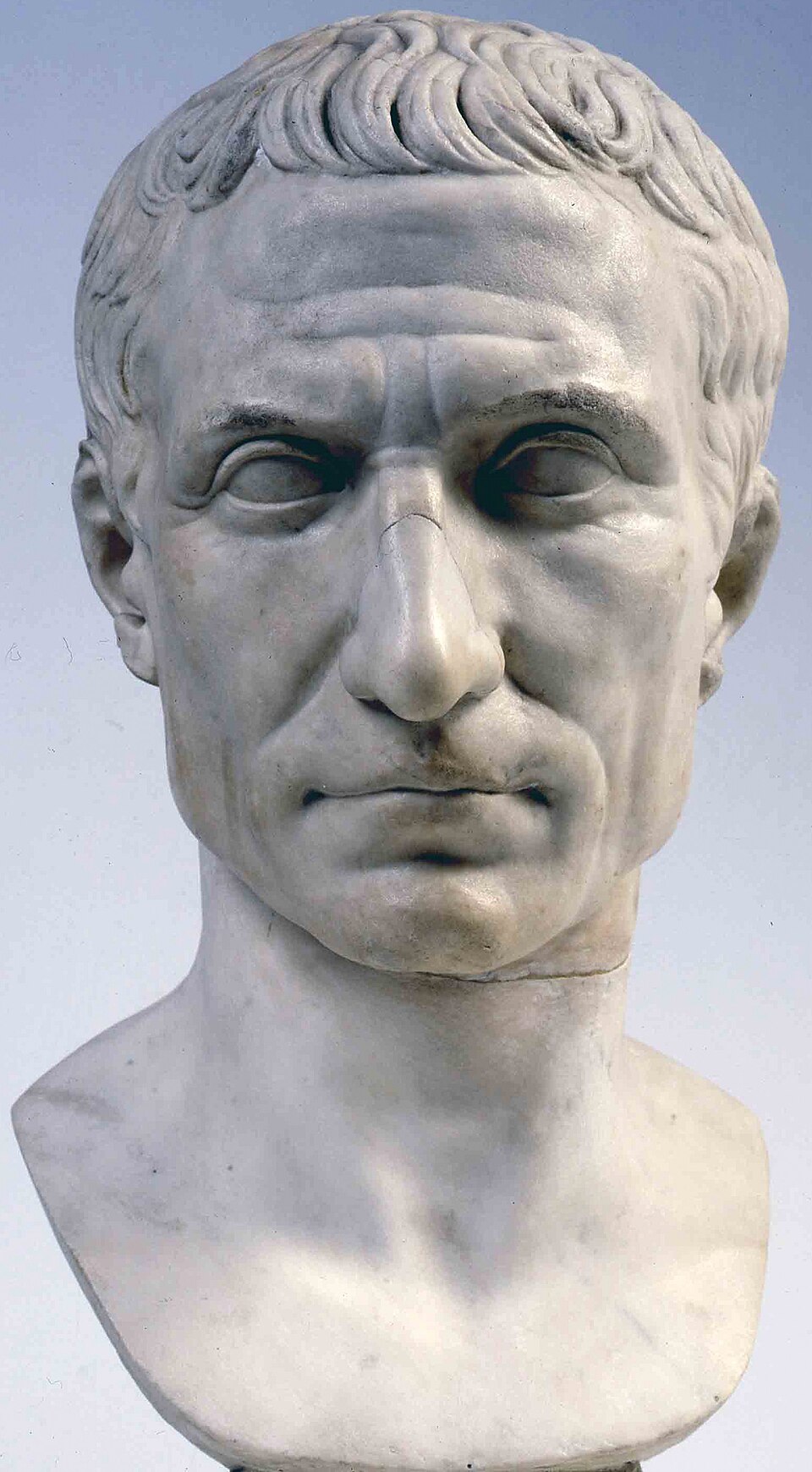
The Relevance of Julius Caesar
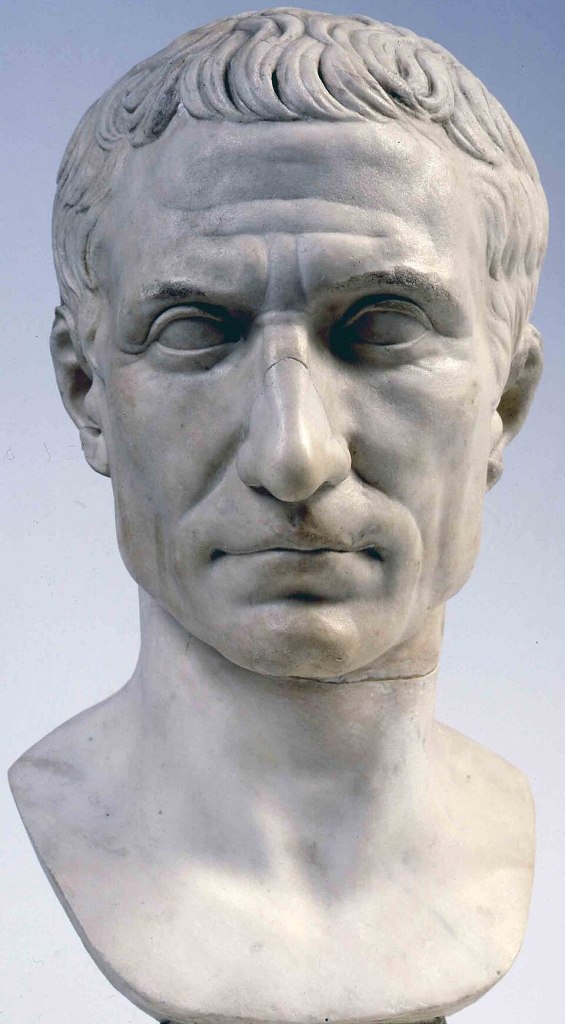
Julius Caesar’s influence appears everywhere—from historic events like the Ides of March and Shakespeare’s Julius Caesar to Caesar salad, romaine lettuce, the month of July, the Caesar cipher, movies, and modern culture, making him one of history’s most referenced figures. Though no single event can fully explain his relevance more than 2,000 years later, one battle certainly comes close.
Background of Pharsalus
The Battle of Pharsalus, fought in 48 BCE between Julius Caesar and Pompey the Great, was one such turning point. Located in central Greece, this confrontation didn’t just decide the fate of two powerful men, it set the stage for the end of the Roman Republic and the rise of the Roman Empire. Much like Alexander’s conquest centuries earlier illustrated how political and military choices ripple across time, Caesar accomplishes that and more.
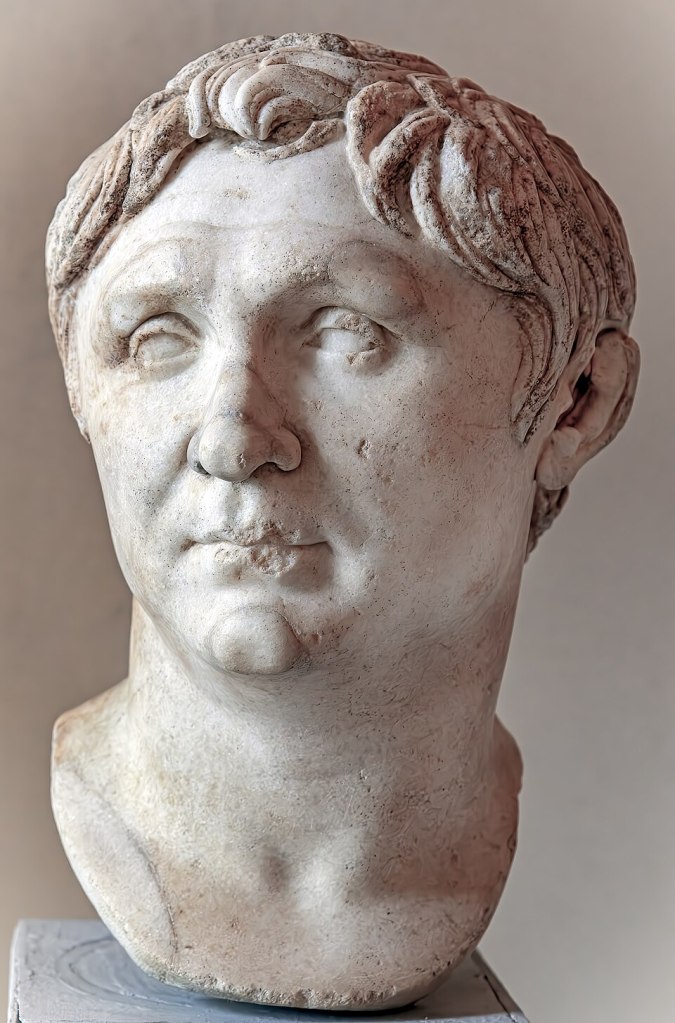
Julius Caesar’s rise to power was a mix of ambition, skill, and political maneuvering. Born into a patrician family, he navigated the complexities of the late Roman Republic, building alliances through the First Triumvirate with Pompey and Crassus, achieving military glory in Gaul, and winning the loyalty of his legions. His growing influence unsettled the Senate and Pompey, sparking a civil war when he crossed the Rubicon in 49 BCE. By the summer of 48 BCE, Caesar had pursued Pompey across the Mediterranean and into Greece, setting the stage for a decisive confrontation. The opportunities for a review of geography are abundant as Caesar spent time in Gaul (modern France), Spain, Anatolia, Egypt, etc.
The Battle of Pharsalus
Caesar’s victory at Pharsalus wasn’t inevitable. He faced a larger army under Pompey, and the terrain and tactics played crucial roles in the outcome. Yet it was Caesar’s use of disciplined legions, clever positioning, and the loyalty of his men that tipped the scales. The battle highlights not only military innovation but also the human factors of leadership, morale, and decision-making under pressure. These elements make Pharsalus a rich subject for teaching students about strategy, politics, and the consequences of individual action in history. If you’ve already studied Alexander the Great, a comparison of the two figures would be warranted.
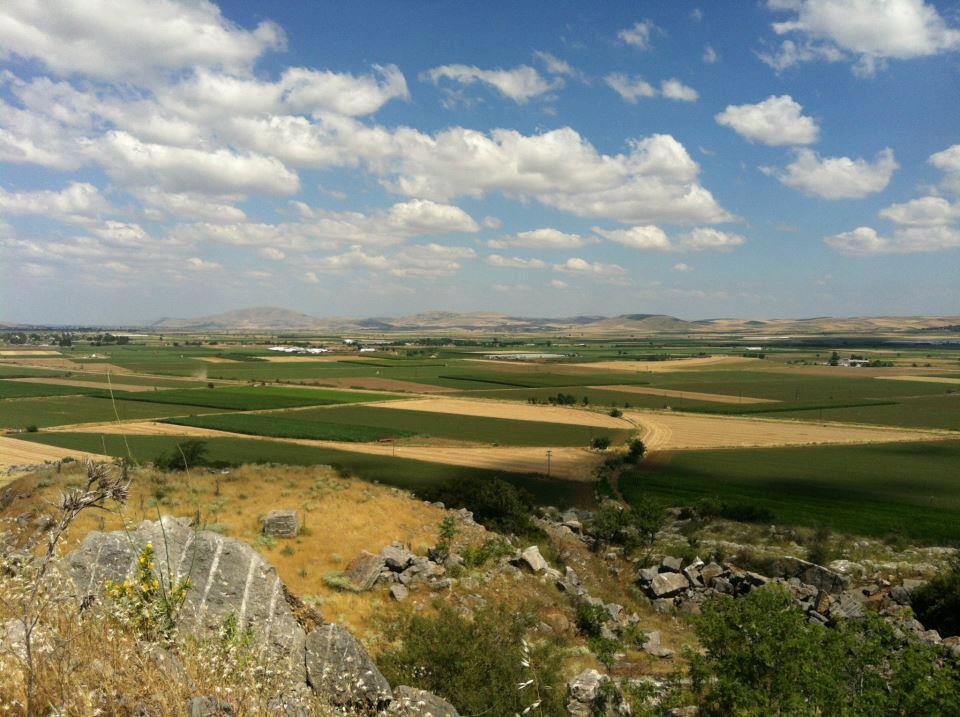
Images of the battlefield, Roman legion formations, and contemporary accounts can be powerful tools in the classroom. What does ‘history written by the winner’, in this case Julius Caesar, tell us? Much of what we know of the battle comes from Caesar’s own memoirs. Teachers might show a map of the battlefield, ask students to imagine the challenges both sides faced, or even have students stage a mock debate as Roman senators deciding how to respond to the looming conflict. Historical role-play, combined with primary source excerpts, helps students engage with the complexity of Roman politics, rather than just memorizing outcomes.
“…Pompey abandoned Italy and gathered all his forces in Greece, resolved to bring the war to a decisive engagement; and when Caesar arrived, though the Pompeian army was more numerous, Caesar boldly advanced to meet him.”
— Julius Caesar, The Civil Wars, Book III (public domain), via Livius.org

Outcome and Legacy
The aftermath of Pharsalus reshaped the Mediterranean world. Pompey fled to Egypt, where he was assassinated, while Caesar consolidated power and eventually crossed the Rubicon into a new era of imperial rule. What’s often left out in the discussion of Rome’s transition from a Republic to an Empire is the popularity of Julius Caesar with the masses (plebeians). His promises of reform stood against a Roman Senate seen as corrupt and against the general welfare of the people. In the classroom, this gives teachers a chance to draw connections: How do individual battles and people influence governments, societies, and cultures? What does it mean for students to see how one event can redirect the course of history? Maps, timelines, and even short dramatizations of Caesar and Pompey’s decisions can turn these questions into interactive lessons.
Ultimately, Pharsalus reminds us that history is shaped by people, places, and choices, lessons that resonate in every classroom discussion. Teachers can leverage these moments to spark curiosity, critical thinking, and lively debate, giving students insight not just into Rome, but into how power, strategy, and human ambition shape the world we live in today.
Recommended Resources
Battle of Pharsalus — Encyclopedia Britannica — A clear summary of the battle, key figures, and why it matters in the fall of the Roman Republic.
Caesar and Pompey at Pharsalus — UNRV Roman History — A narrative article on the tactics, aftermath, and historical consequences of Caesar’s victory.
Caesar, The Civil Wars: Book 3 (public domain English translation) — This is the full text of De Bello Civili (Book III) where chapters 88–99 describe the Battle of Pharsalus in detail.
Classroom Resources (optional)
Reader’s Theater: Rise & Fall of Julius Caesar — A scripted informational reader’s theater with discussion questions that helps students build fluency and engage with key events in Caesar’s life and Roman history.
Military Geniuses of the Ancient World crossword puzzles — A collection of crossword activities paired with biographical readings that reinforces students’ knowledge of influential ancient military leaders through differentiated practice.
Ryan Wagoner
The Lyceum of History
“I am indebted to my father for living, but to my teacher for living well.” — Alexander the Great
Follow me on: Blog | TpT | YouTube | X | Instagram | Facebook



 Lyceum of History
Leave a comment