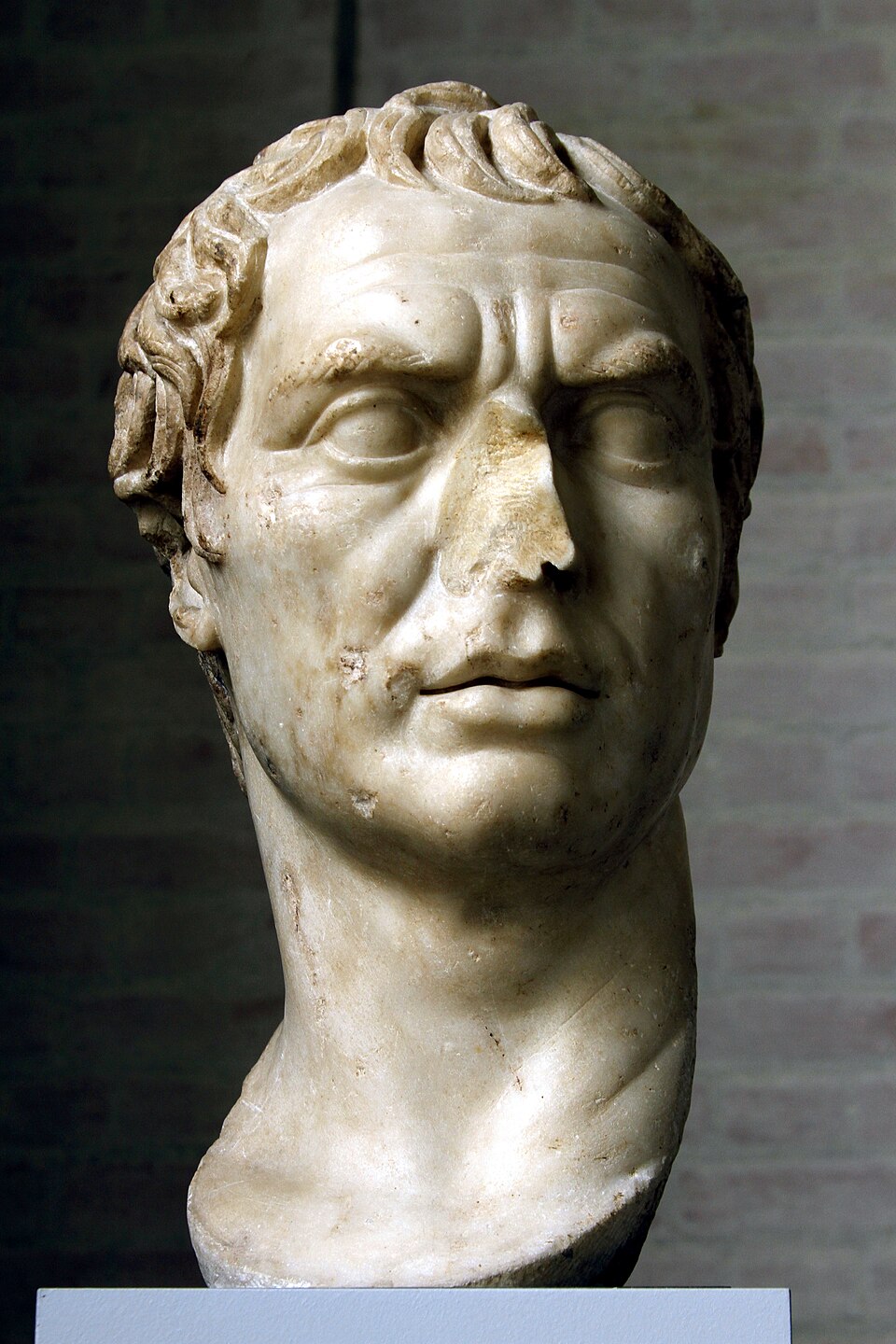
The Battle of Zama
When people think about Rome’s rise, it’s tempting to imagine an unstoppable machine slowly rolling outward. The Battle of Zama (202 BCE) shows something very different. Fought during the Second Punic War between Rome and Carthage in North Africa (modern Tunisia), Zama was not inevitable. It was the result of learning, adapting, and making hard strategic choices. That makes it especially valuable for classrooms, because it shows students that history turns on decisions, not destiny.
Why Zama Was Fought
By the early 200s BCE, the war had dragged on for nearly twenty years. Hannibal Barca had devastated Roman armies at Trebia, Lake Trasimene, and Cannae, yet Rome refused to surrender (now would be a good time to review the geography of the Second Punic War). Instead, Rome changed its approach. The Senate backed Publius Cornelius Scipio, a general who believed Hannibal could not be beaten on Italian soil. Scipio’s decision to invade North Africa forced Carthage into a corner. Hannibal was recalled from Italy to defend his homeland. Zama happened because both sides understood the stakes: if Carthage lost, its days as a great power were over.
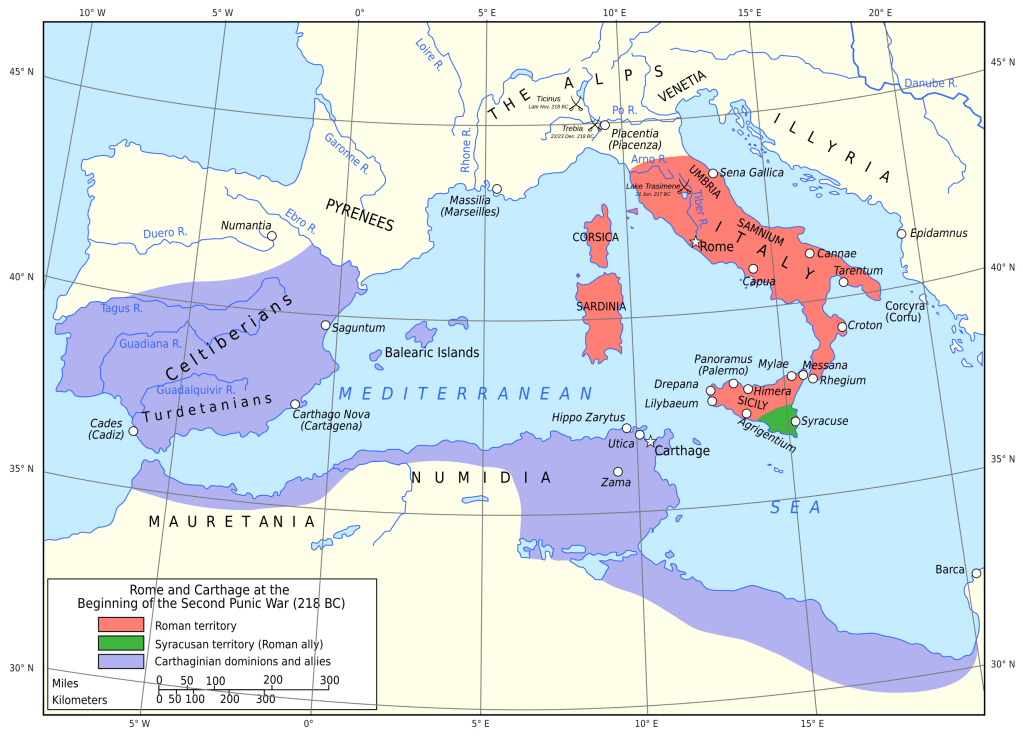
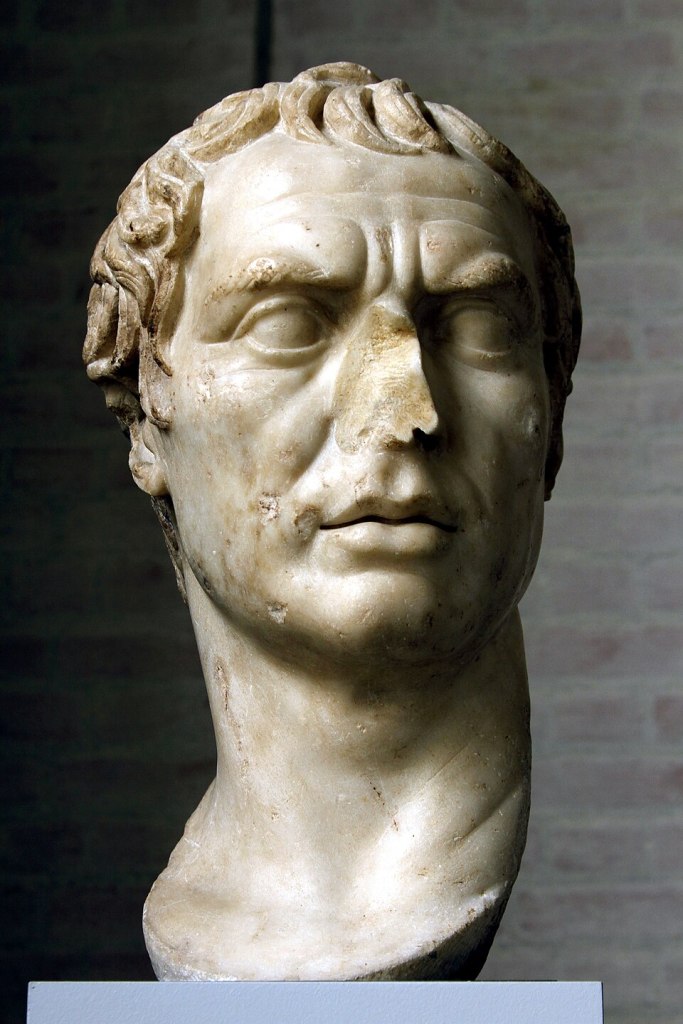
Pivotal moments like this give social studies teachers a chance to dive deeper into the past and use the critical thinking skills we’ve helped them develop. The opportunity to discuss the implications for defeat of two powerful civilizations provides a window into the power dynamics of antiquity and the ramifications in our modern world. As a teacher, have students write a short advisory memo, one from the Roman Senate to Scipio, and one from Carthage to Hannibal, explaining what defeat would mean for their civilization.
The Commanders and Their Armies
Zama brought two legendary commanders face to face. Hannibal, still brilliant, now led an army made up largely of mercenaries and new recruits, supported by war elephants. Gone were many of the hardened veterans who had crossed the Alps years earlier. Scipio commanded a disciplined Roman army trained to adapt. Just as important was his alliance with Masinissa, king of the Numidians, whose cavalry gave Rome a crucial edge. Zama reminds us that alliances can matter as much as tactics. It provides an opportunity to evaluate the role both the Roman army and the alliances played in tipping the scales (the mini-lesson for geography and history are plentiful for this era).
How the Battle Was Fought
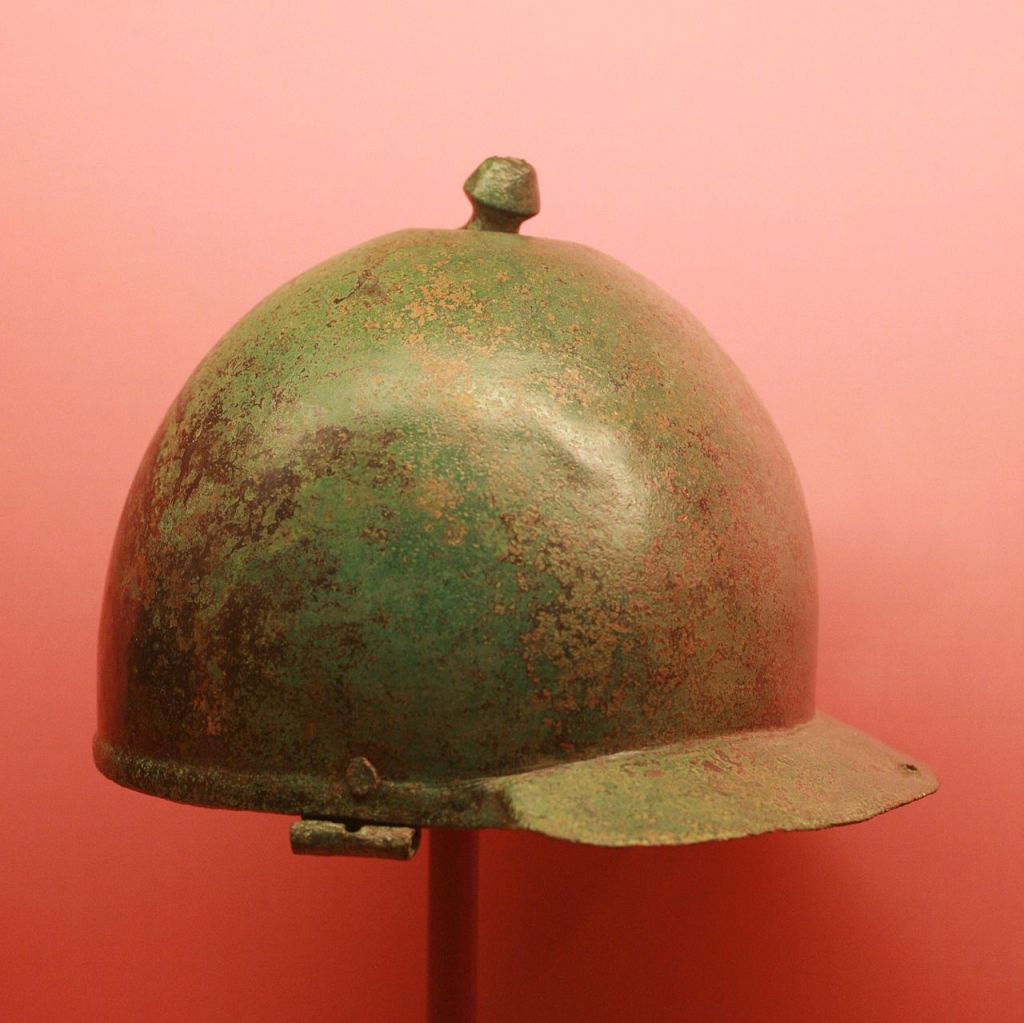
Hannibal opened with a mass elephant charge meant to break Roman formations. Scipio anticipated this. Roman legions formed lanes, letting elephants pass through while skirmishers drove them off. Some elephants even panicked and trampled Carthaginian troops. The infantry fight that followed was brutal and evenly matched. Hannibal organized his forces in layers to wear the Romans down. The battle only turned when Roman and Numidian cavalry returned and attacked from behind. Hannibal was defeated using the same kind of envelopment he once used against Rome.
The Outcome
Rome won decisively. Carthage survived, but only barely. It lost its empire, surrendered its fleet, paid heavy reparations, and could no longer wage war without Roman permission. Hannibal lived, but Carthage’s independence did not.
Why Zama Changed the World
Zama mattered because it removed Rome’s greatest rival. With Carthage neutralized, Rome dominated the western Mediterranean and soon expanded into Spain, Greece, and the eastern Mediterranean. This victory laid the groundwork for Roman political power, cultural influence, and legal traditions that still shape the modern world. Just as important, Zama shows how Rome won, not through brilliance alone, but through persistence and adaptation. Rome learned from failure. How many better lessons are there than learning from failure?
Recommended Reading
Battle of Zama – Britannica
Livy (Titus Livius) – excerpts from Ab Urbe Condita
Attalus.org – index of ancient source references
Classroom Resources (optional)
Punic Wars – Rome vs Carthage — A structured lesson on the Punic Wars that helps teachers guide students through the causes, key battles, and lasting impacts of Rome–Carthage conflict.
Reader’s Theater – Hannibal and the Second Punic War — A reader’s theater script that engages students with the story of Hannibal’s campaign while reinforcing historical understanding through performance.
Second Punic War Classroom Poster — A visual reference that supports teachers by giving students an accessible overview of key people, places, and events from the Second Punic War.
Ryan Wagoner
The Lyceum of History
“I am indebted to my father for living, but to my teacher for living well.” — Alexander the Great
Follow me on: Blog | TpT | YouTube | X | Instagram | Facebook



 Lyceum of History
Leave a comment