Background
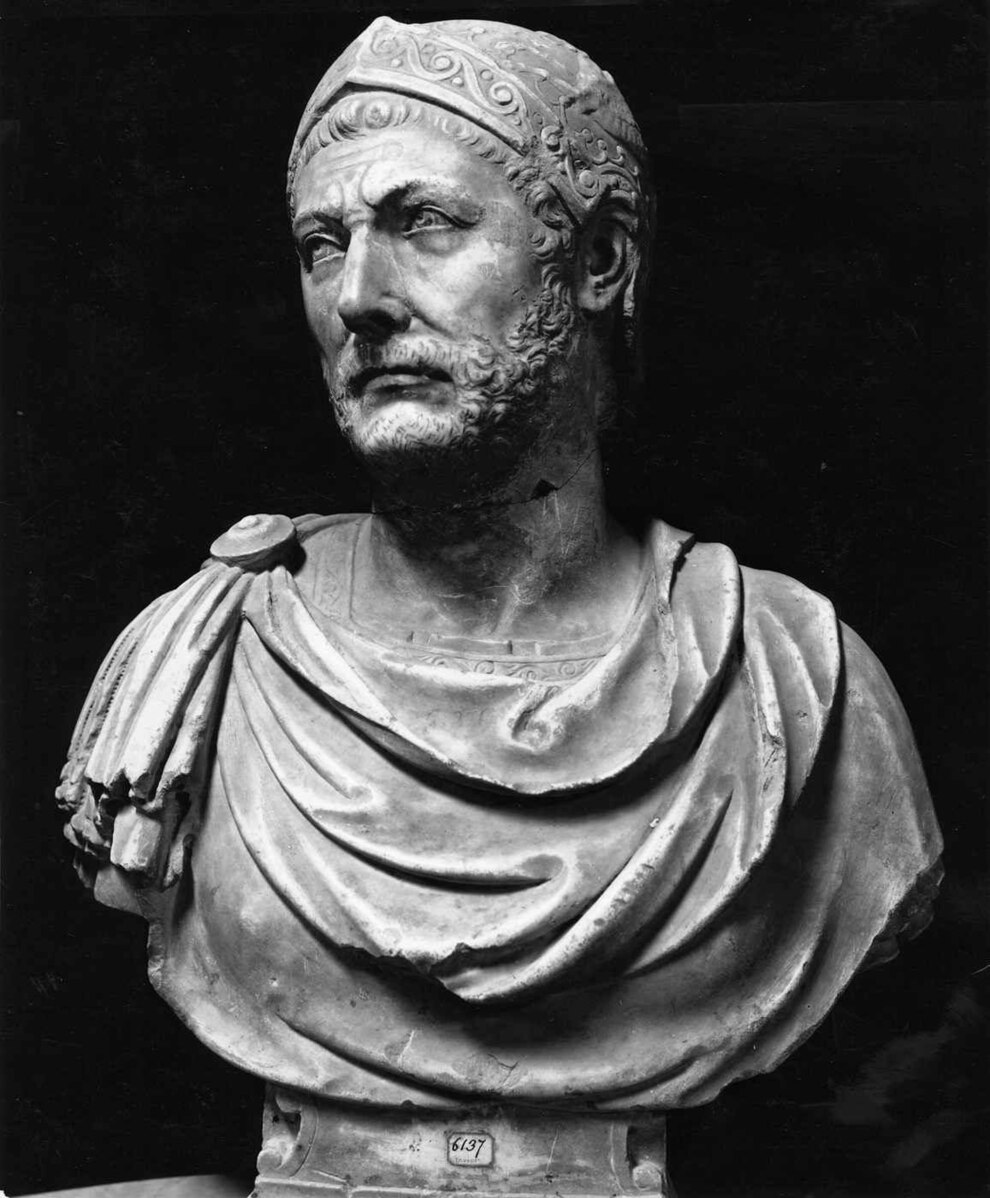
The Battle of Cannae (216 BCE) stands as one of the most important case studies in world history and military strategy. Fought during the Second Punic War between the Roman Republic and Carthage, this battle saw the Carthaginian general Hannibal Barca defeat a much larger Roman army using innovative tactics still taught in classrooms and military academies today. For secondary social studies teachers, Cannae offers a powerful lens to explore leadership, decision-making, geography, alliance systems, and the long-term consequences of war on civilizations.

The Second Punic War began in 218 BCE when Hannibal crossed the Alps with elephants and troops to bring the fight to Italy. This shocking tactic helped earn Hannibal a fear among Romans for centuries to come. After winning earlier battles at places like Trebia and Lake Trasimene, he aimed to break Rome’s power by defeating its main armies in a decisive encounter. Rome, alarmed at Hannibal’s successes and worried that Italian allies might defect to Carthage, raised an enormous army to crush him once and for all.
How the Battle was Fought
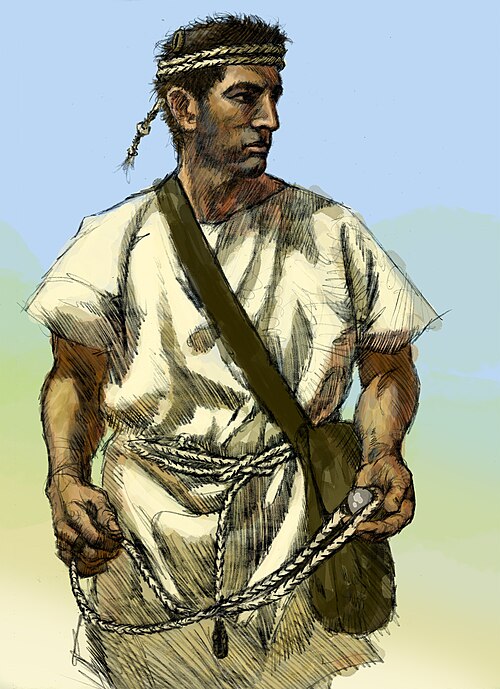
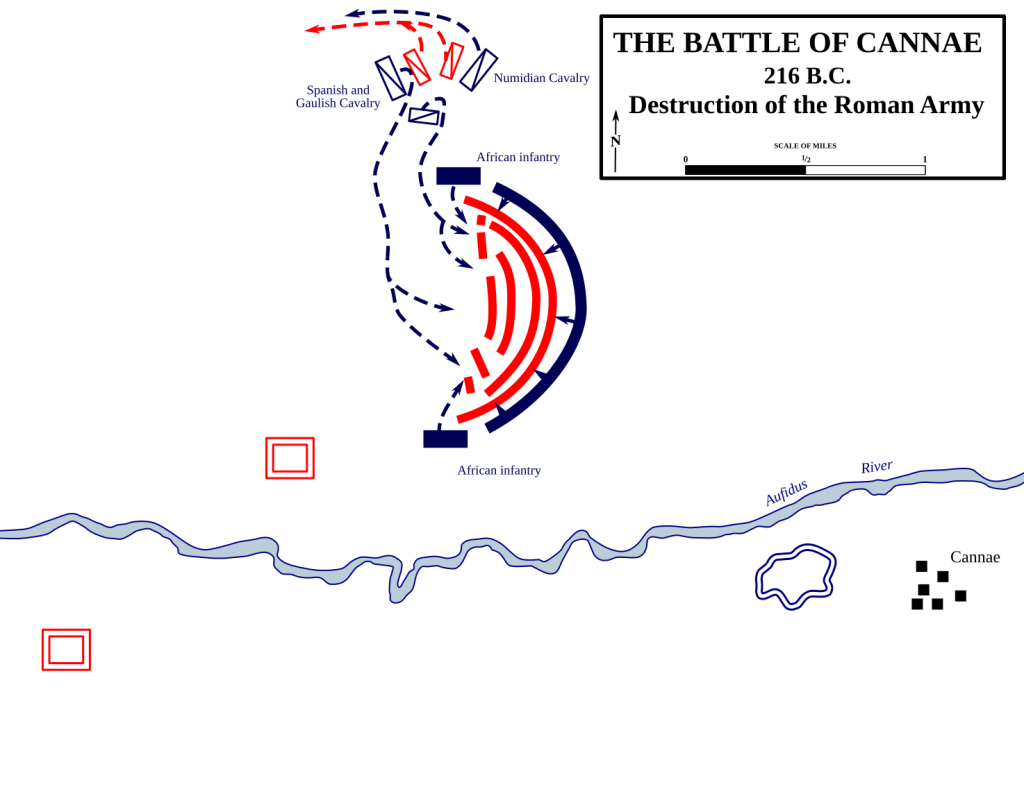
The Romans greatly outnumbered Hannibal’s army and arranged their forces in a deep, dense formation designed to punch through the center of the Carthaginian line. Hannibal, anticipating this, positioned his weaker infantry in a convex line and his strongest troops and cavalry on the flanks. In addition to his core troops, he commanded a diverse mercenary force including elite Libyan heavy infantry, tough Gallic (Celtic) and Iberian (Spanish) foot soldiers and slingers for his center, and superb cavalry from the Numidians, Iberians, and Gauls.
As the battle commenced, the Carthaginian center slowly yielded, drawing the Romans inward. Then Hannibal’s elite cavalry – especially the Numidian and heavy cavalry on the wings – routed the Roman horsemen and swung around to attack from behind. Meanwhile, the Carthaginian infantry in the center curved inward, squeezing the tightly packed Romans in a classic double envelopment. By the end of the day, tens of thousands of Roman soldiers lay dead, and the Roman army was shattered.
Victory and Consequences
Hannibal’s forces won a resounding victory. Contemporary sources suggest staggering Roman losses – possibly over 50,000 men killed – while Carthaginian casualties were much lighter. The defeat at Cannae became synonymous with tactical brilliance and has been studied in military academies ever since. Rome’s reliance on a large but mostly citizen-soldier army led to rigid formations, divided command, and limited tactical flexibility, which Hannibal exploited to surround and destroy the Roman force.
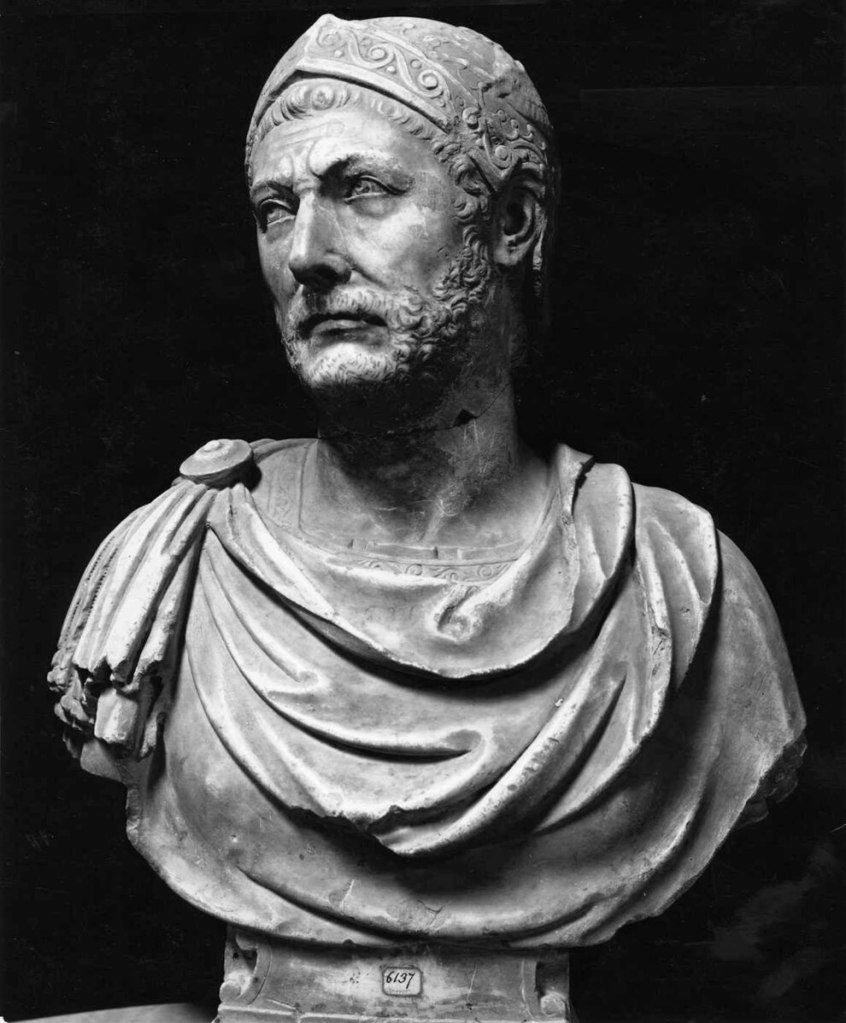
The effects of Cannae rippled far beyond battlefield. For Rome, the defeat was a national trauma. It undermined confidence in the republic’s military invincibility and forced Rome to rethink how it raised and deployed its forces. Rome began extending military service, relying more on experienced veterans, improving command continuity, and adopting flexible strategies. These changes would eventually led to a more professional and adaptable Roman army. That shift helped Rome ultimately survive the war and eventually defeat Carthage. These changes can be compared with the changes in the American army during the Revolutionary War.
Politically, the loss encouraged some of Rome’s Italian allies to consider siding with Hannibal, a dangerous trend for Rome’s coalition system. Yet Rome’s resilience and ability to raise fresh armies ultimately prevented a wider collapse. In the centuries that followed, Cannae became more than a historical event: it became a lesson in strategy, influencing generals from Julius Caesar to Napoleon Bonaparte and even modern military thinkers.
Classroom Connections
The Battle of Cannae is especially useful in the secondary social studies classroom because it connects multiple historical skills and themes in a single case study. Teachers can use maps to examine how geography and terrain influenced troop movement and formations, while leadership decisions by Hannibal and the Roman consuls provide clear examples of effective and ineffective leadership. The battle also works well for teaching cause and effect, showing how Rome’s reliance on citizen soldiers and rigid tactics led to defeat, and how that defeat prompted long-term military and political changes. Because Cannae had lasting global influence on military strategy, it helps students see history not as isolated events, but as connected decisions with consequences that shape future societies. It also highlights the wisdom of the old adage, “You may have lost the battle, but you haven’t lost the war.”
Recommended Resources
Battle of Cannae — World History Encyclopedia
Ancient Rome’s Darkest Day: The Battle of Cannae — History.com
Second Punic War — Encyclopedia Britannica
Classroom Resources (optional)
Punic Wars – Rome vs Carthage — A structured lesson on the Punic Wars that helps teachers guide students through the causes, key battles, and lasting impacts of Rome–Carthage conflict.
Reader’s Theater – Hannibal and the Second Punic War — A reader’s theater script that engages students with the story of Hannibal’s campaign while reinforcing historical understanding through performance.
Second Punic War Classroom Poster — A visual reference that supports teachers by giving students an accessible overview of key people, places, and events from the Second Punic War.
Ryan Wagoner
The Lyceum of History
“I am indebted to my father for living, but to my teacher for living well.” — Alexander the Great
Follow me on: Blog | TpT | YouTube | X | Instagram | Facebook



 Lyceum of History
Leave a comment