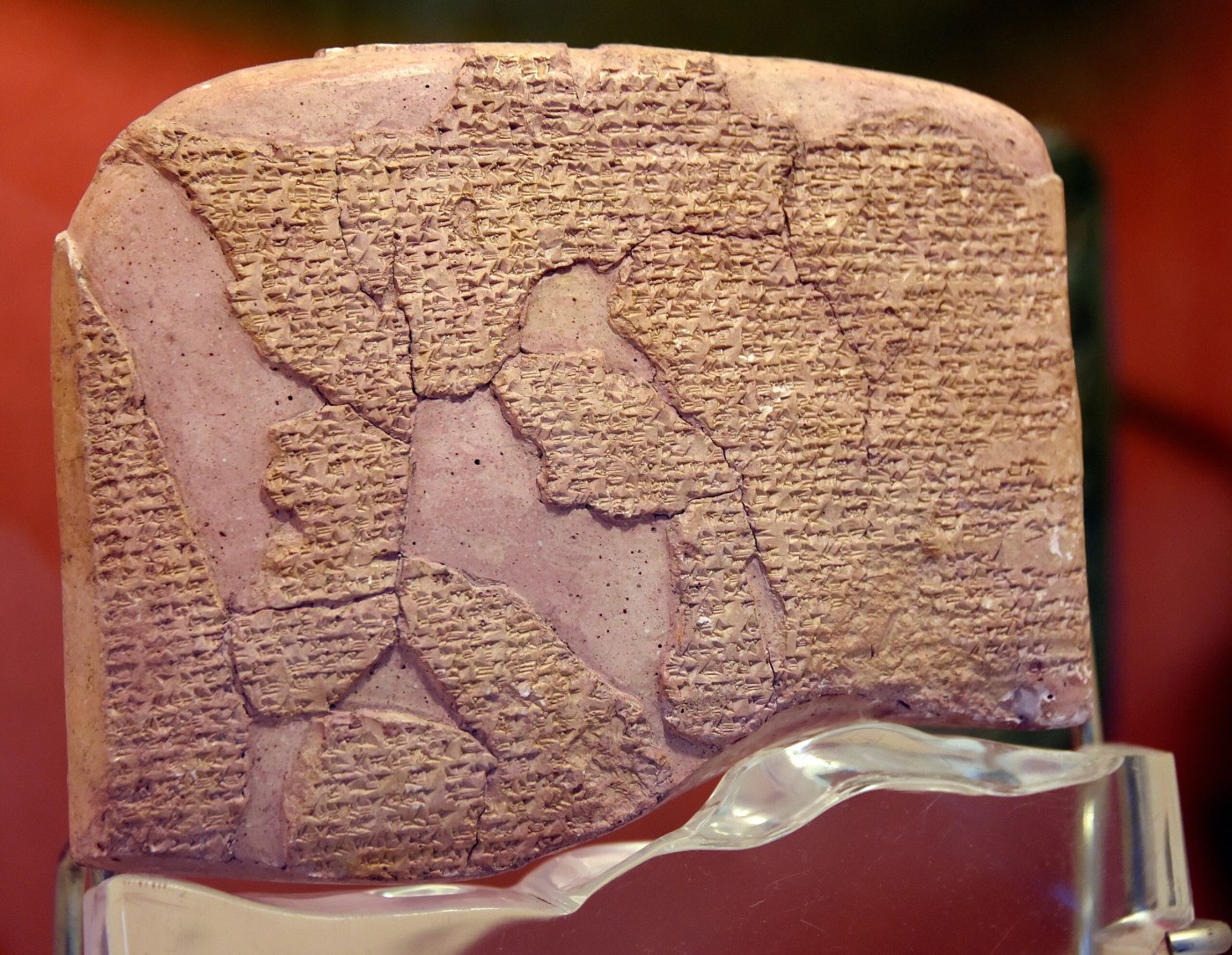
Trade in the Levant
When people think of battles, they usually imagine a clear winner and a clear loser. The Battle of Kadesh, fought in 1274 BCE, refuses to fit that mold. It matters precisely because it didn’t end in a decisive victory—instead, it reshaped how civilizations approached war. With this background, teachers can guide students toward a more nuanced understanding of the realities of war and peace in both the ancient and modern world.
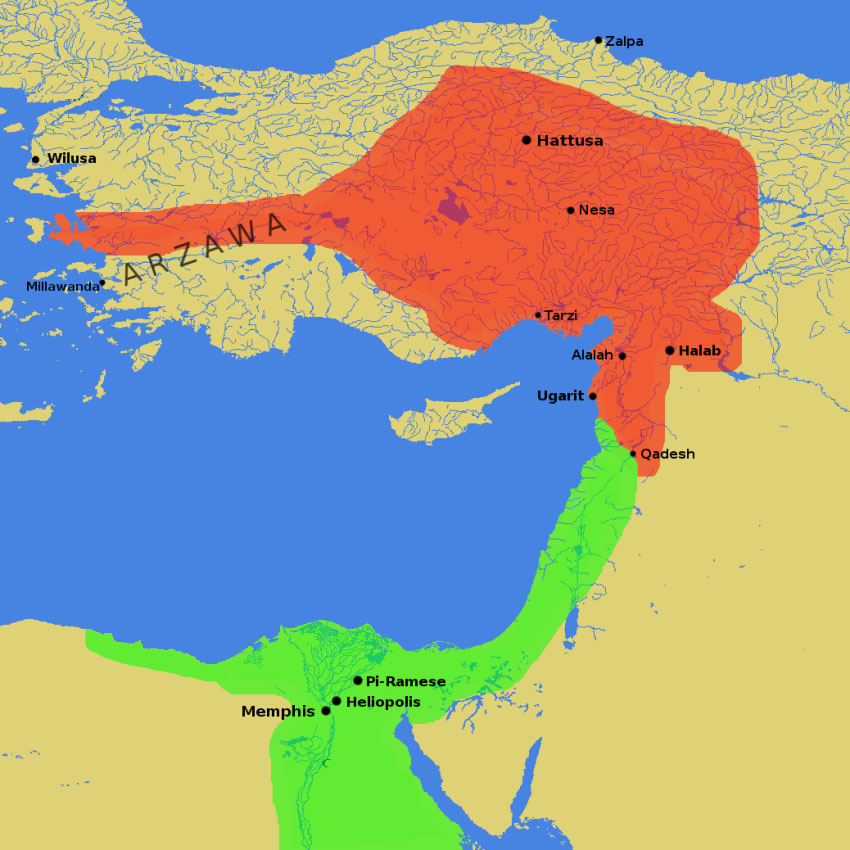
Like any other time in history, controlling trade routes was of vital importance to the state. The contested area between the Egyptian New Kingdom, centered around the Nile, and the Hittite Kingdom, centered in Anatolia (modern Turkey), was the Levant (modern Israel/Palestine, Lebanon, and western Syria). Neither side had annexed the area like so many later empires would. What they controlled was a patchwork of influence, tribute relationships, and garrisoned cities, and that control shifted constantly. Kadesh was a city that sat right in the middle.
The Battle of Kadesh
The battle took place in 1274 BCE near the Orontes River in modern Syria. It sat at a strategic crossroads linking Anatolia, Mesopotamia, and Egypt. Both empires wanted control of this region because it meant access to trade routes, tribute, and political influence in the Levant. For Pharaoh Rameses II, reclaiming Kadesh was about prestige and stability on Egypt’s northern frontier. For the Hittite king Muwatalli II, holding it was essential to maintaining imperial dominance.
The battle is famous for its scale and its technology. It pitted Egyptian forces under the command of Ramses II against Hittite king Muwaltali II. Thousands of chariots thundered across the battlefield, making it one of the largest chariot engagements in ancient history. Early on, Rameses II nearly lost everything. Deceived by false intelligence, Egyptian forces advanced too quickly and were caught off guard by a Hittite ambush. According to Egyptian accounts, the pharaoh personally rallied his troops and counterattacked, preventing total collapse. How much truth is there to this? Is this an ancient example of propaganda? We don’t know.
The Outcome

Here’s the key point: neither side managed to destroy the other. Despite dramatic charges and heavy losses, the battle ended in a strategic stalemate. The Hittites remained in control of Kadesh and strengthened their hold on the northern Levant. Egyptian power held sway in the southern Levant. However, no leader wants something that will tarnish their legacy. Rameses II claimed victory in monumental inscriptions carved across Egypt, portraying himself as a lone hero standing against overwhelming odds. The Hittites, meanwhile, kept control of Kadesh. Both narratives were technically true even if deeply misleading.
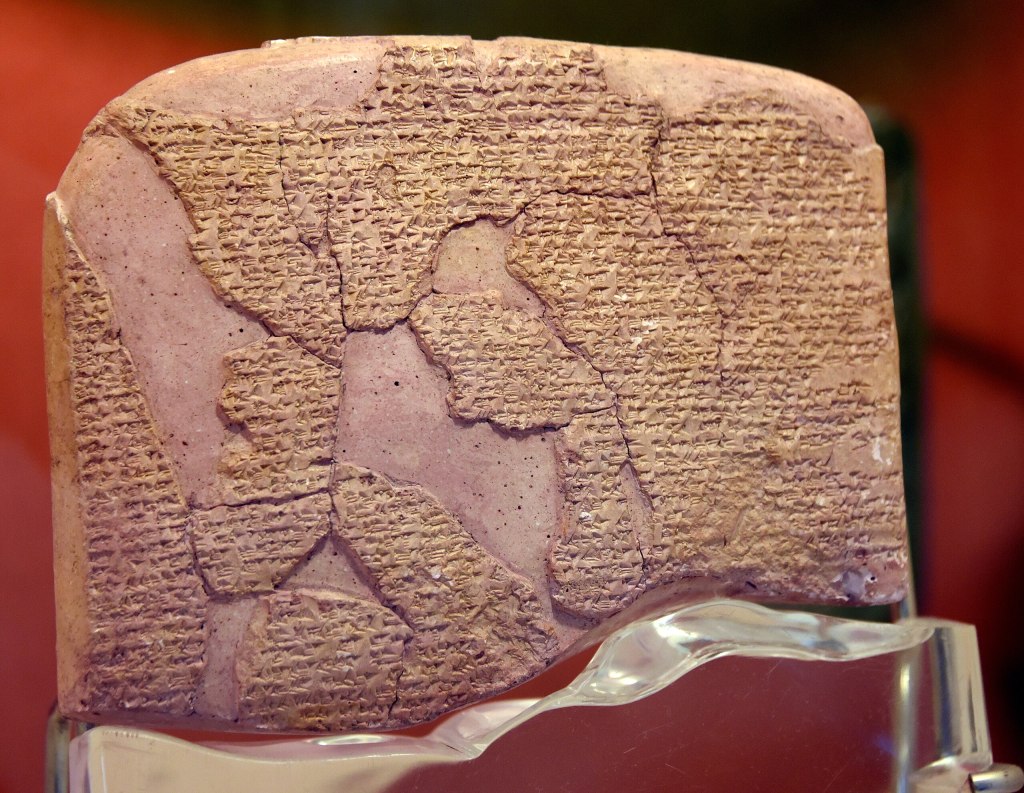
What makes Kadesh historically critical is what came next. Rather than fighting endlessly over the same territory, Egypt and the Hittite Empire eventually negotiated the earliest known written peace treaty. Fifteen years after the battle, the agreement recognized borders, pledged mutual defense, and even included provisions for extradition. War gave way to diplomacy. The status quo was maintained. Trade continued to flow across the Levant.
In that sense, Kadesh changed history not by conquest, but by precedent. It showed that even rival superpowers could choose stability over perpetual conflict. Long before modern international law, Kadesh hinted at a radical idea: peace could be formal, negotiated, and lasting. The factors that led to this give social studies teachers an opportunity. We can use this to compare the same issues that are part of our modern world. What can we learn from the past? A lot more than is on the surface.
Ryan Wagoner
The Lyceum of History
“I am indebted to my father for living, but to my teacher for living well.” — Alexander the Great
Follow me on: Blog | TpT | YouTube | X | Instagram | Facebook



 Lyceum of History


Leave a comment