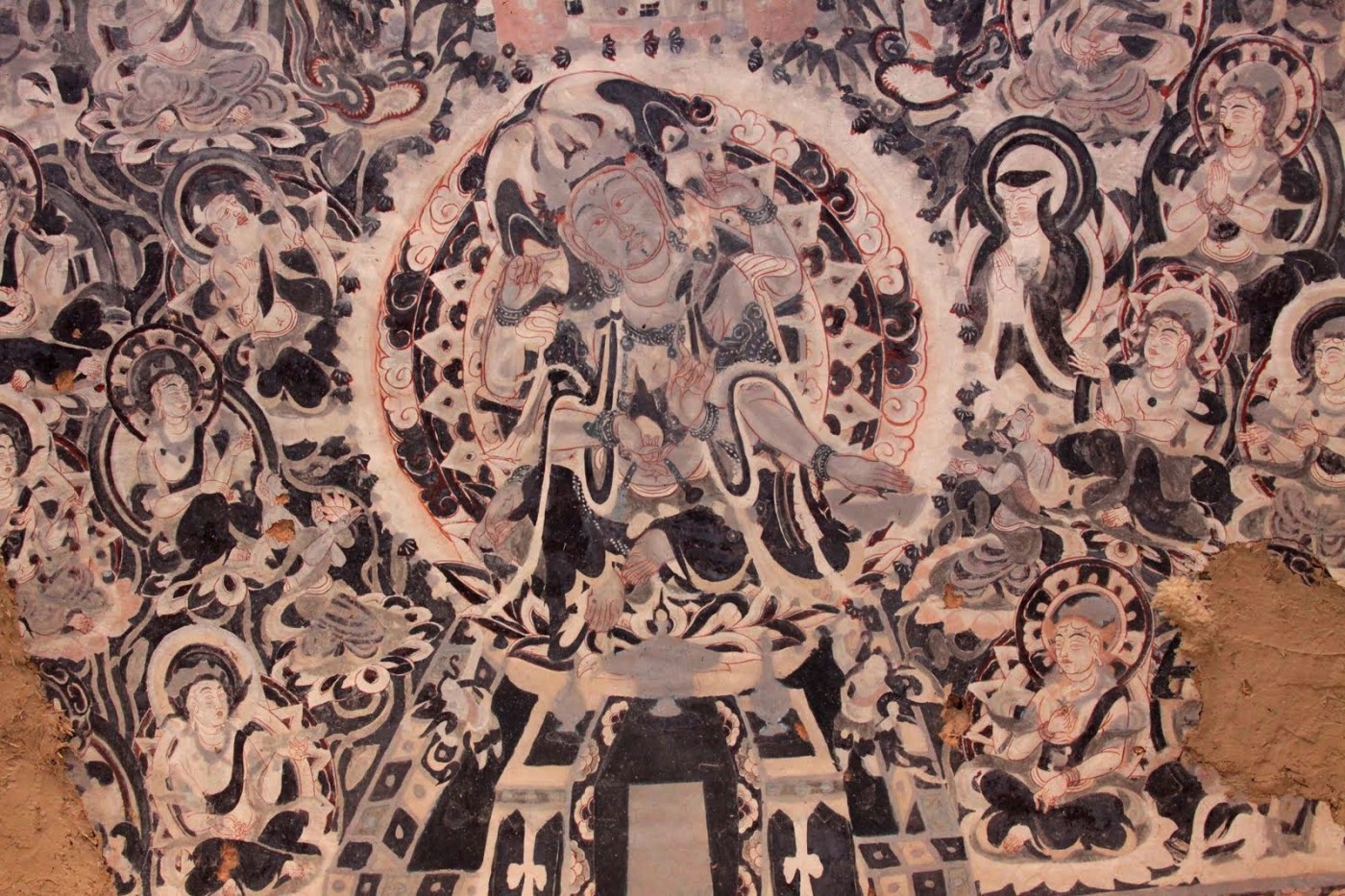
The Legacy of the Kushan Empire
How can the art and culture of a long-lost empire help students understand the flow of ideas across ancient Asia? Although the Kushan Empire ended in the 4th century, its legacy continues in art, religion, and the very concept of multicultural exchange. By highlighting key examples of Kushan achievements, teachers can spark student curiosity and set the stage for discussions about how ideas, styles, and beliefs traveled across regions—and how those connections shaped both the past and our world today.
One of their lasting contributions was Buddhist imagery, the human‑bodied Buddha, that traveled far beyond India, and long after the fell from power. Sculptures from Gandhara and Mathura became templates for Buddhist art. Over time, that spread across Central and East Asia, influencing religious art in China, Korea, and Japan in the centuries that followed.
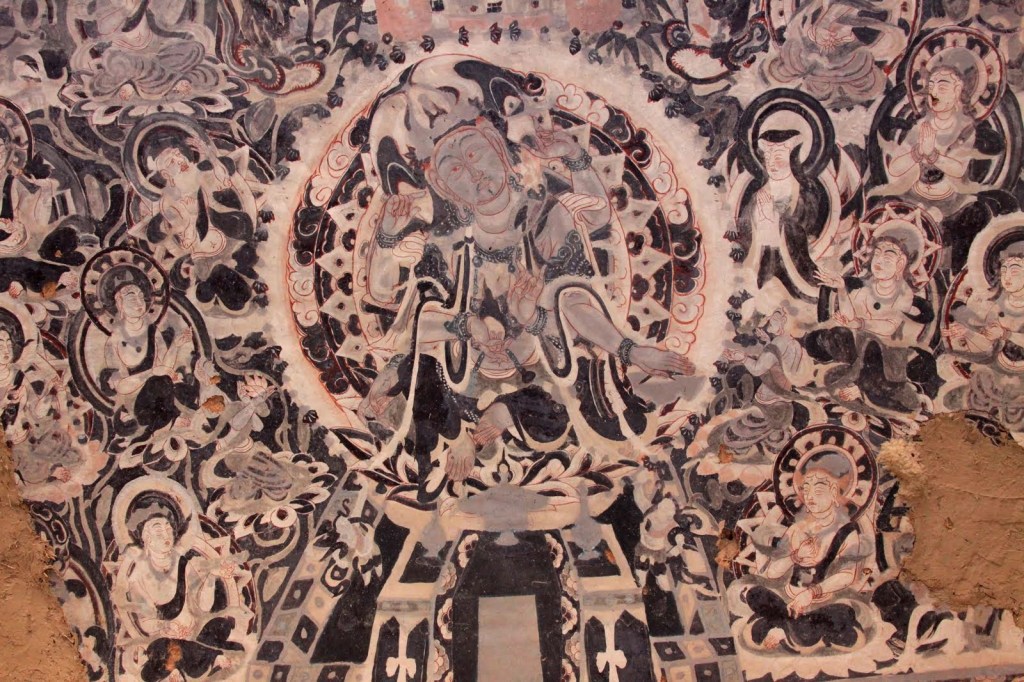
The Kushans presided over one of the earliest forms of globalization. Trade routes stretching from the Mediterranean to India carried not only goods, but ideas, faiths, and art. Trade on this scale does not occur without a stable and encouraging state protecting the very merchants and routes under their rule. The Kushan rulers were no different than those in power today. They understood the power of symbolism. Their coinage blended Greek, Iranian, and Indian motifs, all with the intent of maintaining power and wealth. Using something like coinage to convey this message reminds me of the US dollar and the international recognition it carries. Ask students other examples of powerful symbols in their world.
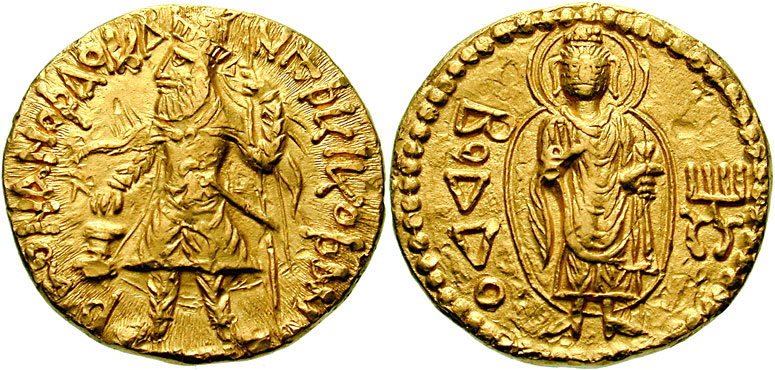
Today, museums worldwide still hold Kushan‑era statues, reliefs, and coins. Archaeologists continue to uncover remnants of the urban centers that testify to a world where different peoples co‑existed under shared governance.
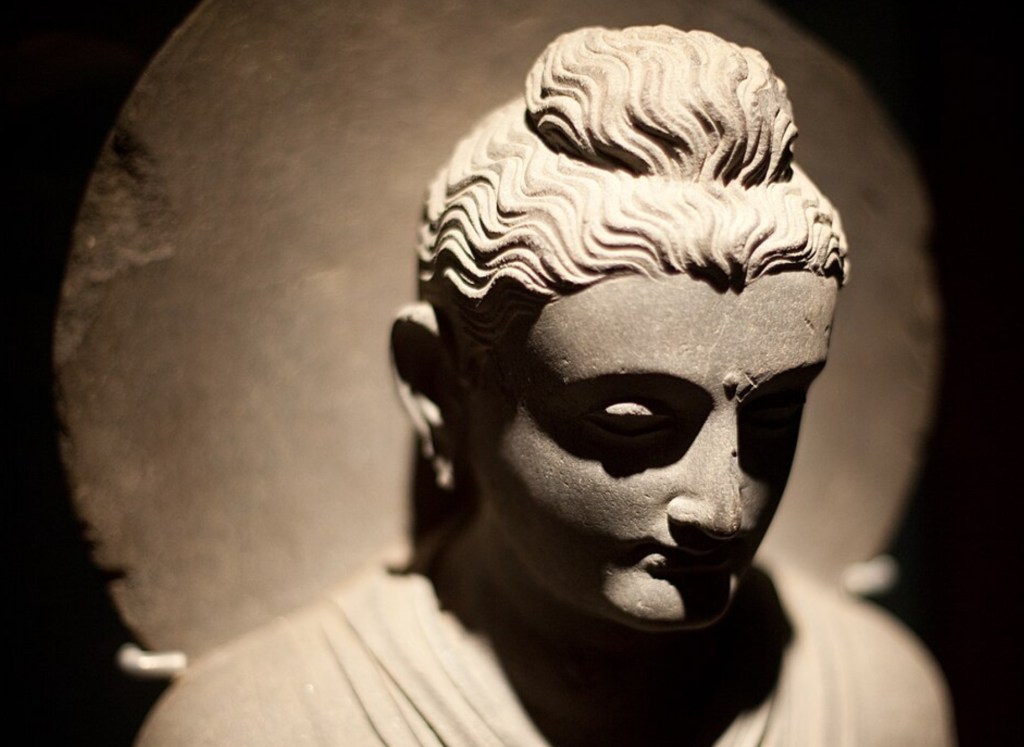
In an age of global migration and cultural mixing, the Kushan example remains relevant. Their model showed how religious diversity, trade, and cultural blending could create a thriving and interconnected society.
You don’t have to be an expert to unpack all of this. Start by showing their coinage or Buddhist statues, but don’t tell students where they’re from. Let them guess. What better way to encourage open discussion and problem solving skills? It’s during moments like these where I come the most alive as a teacher. Students who may never answer any other question all year are suddenly curious enough to start asking questions. You can help make them that bold and it starts all by asking a question.
Ryan Wagoner
The Lyceum of History
“I am indebted to my father for living, but to my teacher for living well.” — Alexander the Great
Follow me on: Blog | TpT | YouTube | X | Instagram | Facebook



 Lyceum of History
Leave a comment