Art in the Kushan Empire
How can ancient empires help students understand the power of cultural exchange and creativity? The art of the Kushan Empire provides a perfect example. By blending Greek realism, Persian motifs, Central Asian sensibilities, and Indian spirituality, Kushan artists created a distinctive, hybrid style that illustrates how cultures borrow, adapt, and innovate. Highlighting these works in the classroom helps students see how art reflects cross-cultural connections and the creative possibilities that arise when traditions meet.
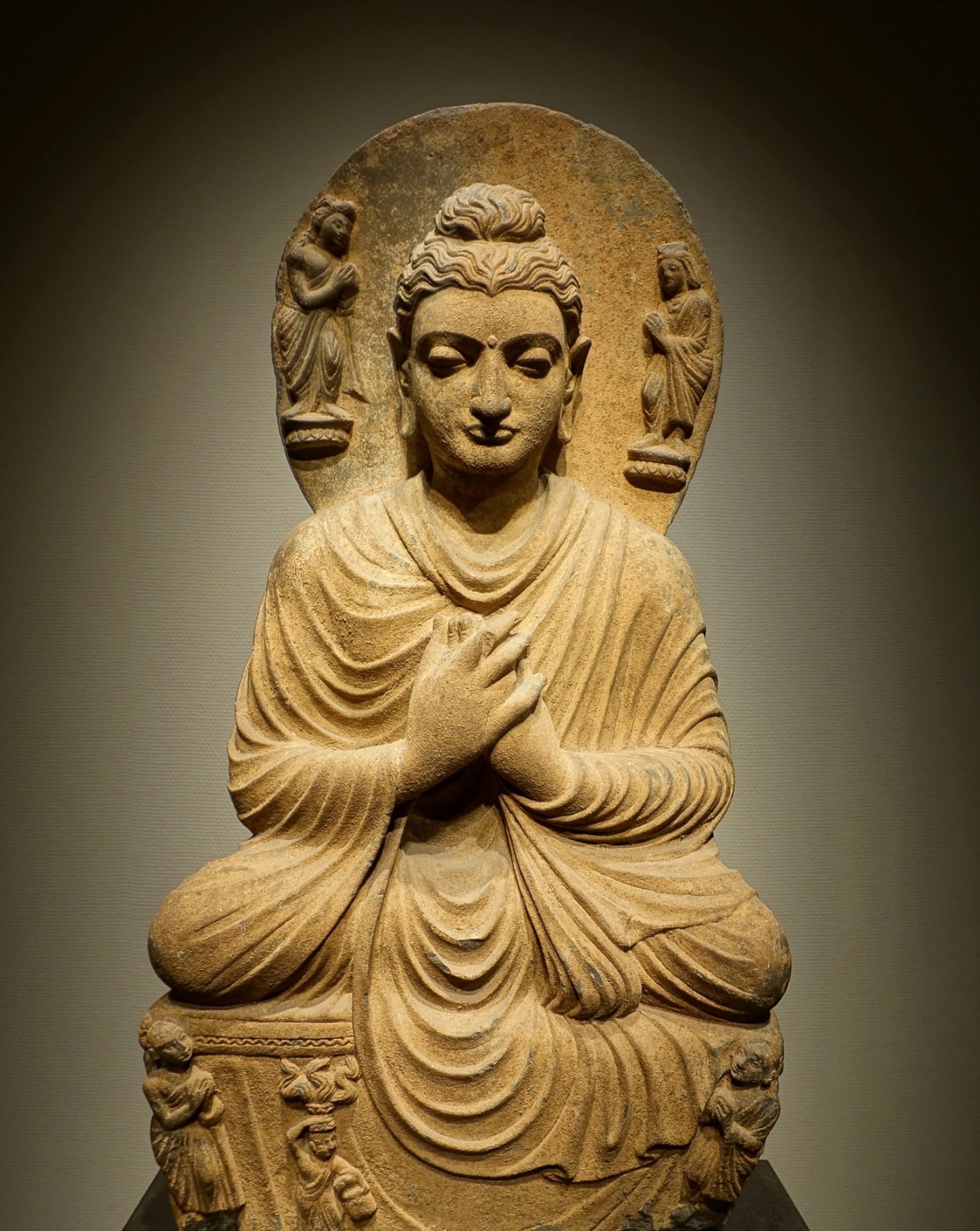
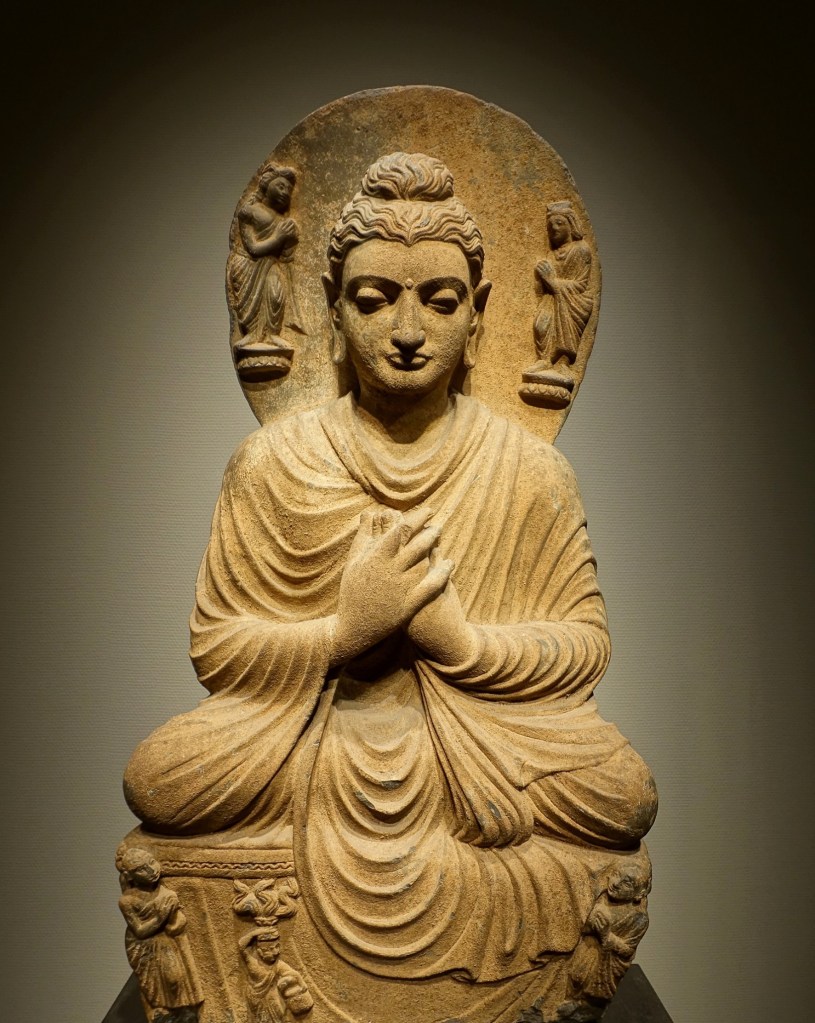
In the region known as Gandhara (today parts of Pakistan and Afghanistan), artisans carved Buddha statues and reliefs. Here, Buddhist iconography mixed with Hellenistic realism, shaped the land. Greek sculpture was known for its pursuit of the idealized and balanced human form.
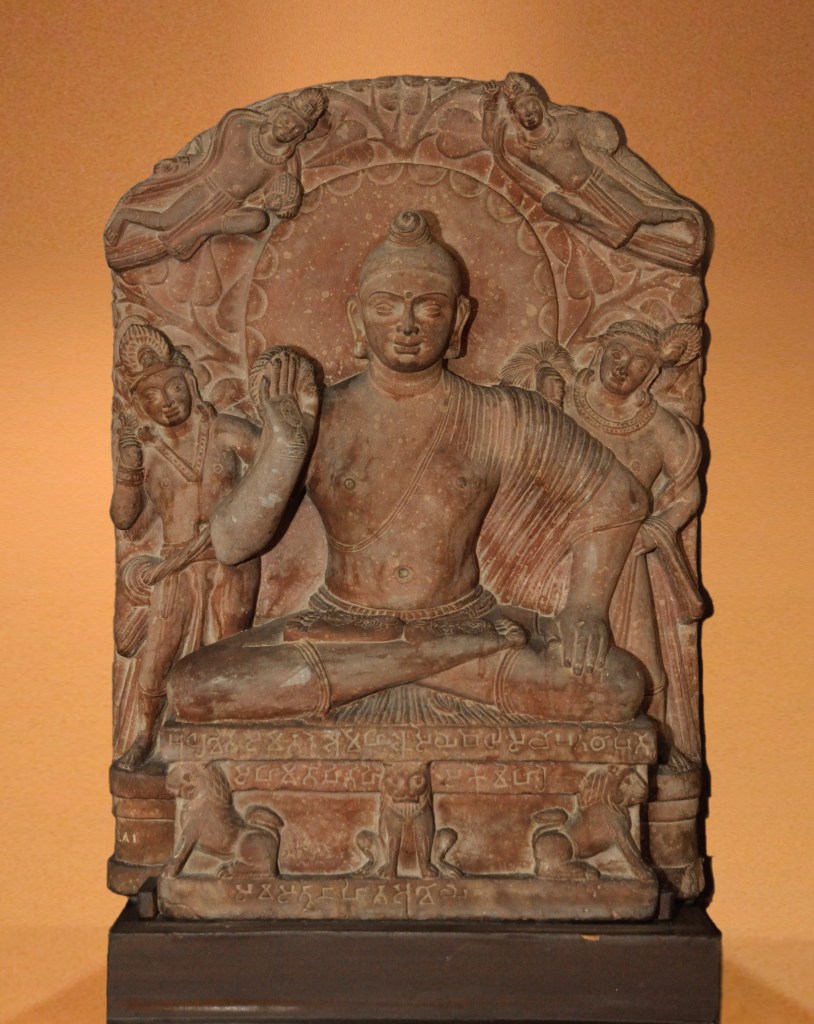
Meanwhile farther east in Mathura (today northern India), another style evolved under the Kushans. Sculptors, working with red sandstone, created Buddha and Yakshi figures root in Indian artistic traditions. Figures have a fleshy, organic quality, reminiscent of earlier Indian traditions.
The Kushans also built stupas, temples, and urban centers that merged regional architectural traditions. Sites like Swat show the influences of Iranian and Hellenistic traditions. The use of animal motifs and geometric patterns from those areas are clear examples.
How can we compare this to what we see in our modern world? We need not look very far. Our entertainment borrows heavily from Greco-Roman and Norse mythology (Thor, Hercules, etc.) We choose our avatars, an Indian concept, before joining our games. A quick sampling of today’s musical artists points to places all over the globe. Think the past is irrelevant? Think again.
Ryan Wagoner
The Lyceum of History
“I am indebted to my father for living, but to my teacher for living well.” — Alexander the Great
Follow me on: Blog | TpT | YouTube | X | Instagram | Facebook



 Lyceum of History
Leave a comment