For too many people, history was taught with straight-up textbooks, primary sources, and maybe a documentary or two. I knew my students were already learning history—through movies, music, and even memes. The catch? They weren’t always learning it accurately. The problem was how to help my students realize history was far more interesting than reading... Continue Reading →
From Campfire to Classroom: Using Summer Travel to Spark Curiosity
I once hiked a mountain trail in Colorado and ran into a retired geologist who casually mentioned that the rocks beneath our feet were older than the Roman Empire. Naturally, I turned it into a lesson. Summer is full of these moments—unexpected facts, new places, chance conversations. Whether you’re traveling abroad or just camping an... Continue Reading →
Classroom Systems: Why Summer Is the Best Time to Rethink What Works
We all have those little classroom habits we never really question. The “turn in your paper” tray, the bellringer notebook, the 3-minute warning. They work—sort of. But summer gives us the chance to step back and ask: Is this the best way? I used to rely on paper exit tickets. They cluttered my desk and... Continue Reading →
Summer Strategies: Setting the Stage for Meaningful History Lessons
A good history lesson is like a stage play. The lighting, the actors, the set—it all works together to draw the audience in. But behind every great performance? Summer rehearsals. Summer is when I plan my first few “acts” of the year. I always ask: What will hook them? Maybe it’s a simulation, a mystery... Continue Reading →
What Summer Can Teach Us About the School Year
There’s something about the quiet of summer mornings that gets me thinking. No bells, no lesson plans, no grading. Just a cup of tea and a good book. But even in that stillness, the gears don’t stop turning. As social studies teachers, we live in stories—and summer is its own kind of narrative. A preface,... Continue Reading →
The Chicken and the Egg…and Social Studies?
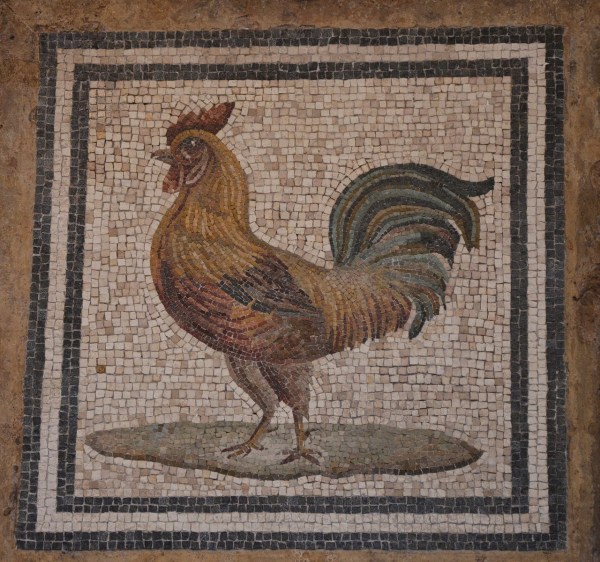
At the Lyceum of History, we’re always looking for ways to incorporate social studies into the classroom. I know what you’re thinking—how and why? This seemingly simple science topic actually lends itself quite easily to discussion in any history class. Ask a teacher about the legacy of the Roman Empire and you’ll hear about language,... Continue Reading →
Being Mindful of Hidden Barriers
Some students face barriers in learning history, whether due to language challenges, reading difficulties, or cultural disconnection. Teachers can support them by being mindful of these barriers and fostering peer support. For example, when studying the Great Depression, some students may struggle with complex economic concepts. Pairing them with a peer in a jigsaw activity,... Continue Reading →
Encouraging Student Voice
History often feels distant to students unless they can connect with it personally. Encouraging student voice ensures they see themselves in history, while positive reinforcement motivates them to engage deeply. To further encourage student voice, incorporate class discussions and Socratic seminars. When studying historical revolutions, allow students to take on roles and debate different perspectives.... Continue Reading →
Offering Multiple Ways to Learn
History classrooms are filled with students who learn in different ways. Some may thrive through discussion, while others prefer hands-on activities or independent research. No two classes will ever be the same. One way to ensure every student engages with history is by using flexible grouping and offering multiple ways to learn. For example, when... Continue Reading →
Tying It All Together
As we wrap up our discussion on the role and nuances of storytelling in cultures around the world, I hope you’ve enjoyed our journey. Perhaps the most impressive aspect of storytelling in oral cultures is their reliance on collective memory. In the Age of Information, the amount of text we’re confronted with is astounding. This... Continue Reading →


