Cosmopolitan cities are nothing new, nor are they confined to any one area. The city of Ai Khanum was no different. Tucked away along the Oxus River, on the edge of the Hindu Kush and Pamir mountain ranges, in what is now northern Afghanistan, Ai Khanum was once one of the most surprising cities of the ancient world. Founded in the wake of Alexander the Great’s campaigns, it stood at the very edge of the Hellenistic world—far from Greece, yet unmistakably shaped by Greek ideas, architecture, and language. What made Ai Khanum extraordinary wasn’t just its location, but the cultural blend that unfolded there.
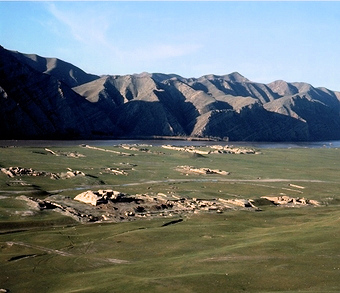
It linked trade routes to the Mediterranean, Central Asia, and India. Ai Khanum became a natural meeting point for travelers, merchants, and scholars from different worlds.
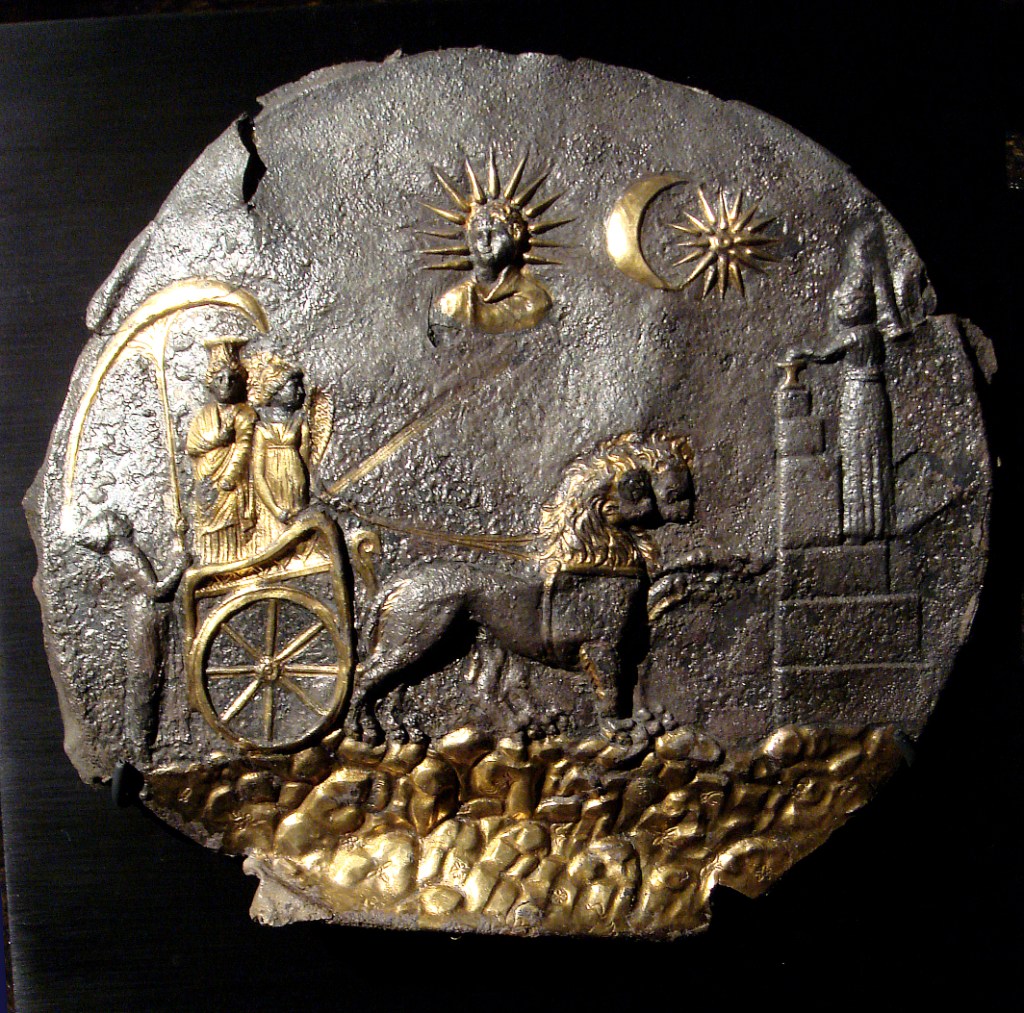
Its Greek influence was unmistakable. Archaeologists have uncovered a theater, a large gymnasium, columned buildings, coins, and inscriptions that resemble the Greek homeland, thousands of miles to the west. Even public life, education, and government showed the imprint of Greek traditions. Yet Ai Khanum wasn’t just a transplanted Greek city. Local Bactrian styles blended with Hellenistic art, religion, and urban planning. Eastern fortifications stood beside Greek courtyards. Local deities appeared in hybrid artistic forms. The city became a living example of cultural fusion. A place where ideas mixed as freely as goods along the early Silk Road.
By the 2nd century BC, shifting powers and nomadic migrations weakened the region. Ai Khanum was eventually destroyed and abandoned, disappearing beneath centuries of dust and memory.
Today, what remains of Ai Khanum comes from archaeological excavations from the 1960s and 1970s. The ruins of palace foundations, column bases, fort walls, coins, and inscriptions have survived.
Though parts of the site have suffered damage, its surviving ruins still reveal the remarkable story of a frontier city where civilizations intertwined and remind us how cultural diversity has shaped human history since long before our modern world. While visiting the site is extremely challenging due to safety concerns, the site serves a time capsule from the ancient past.
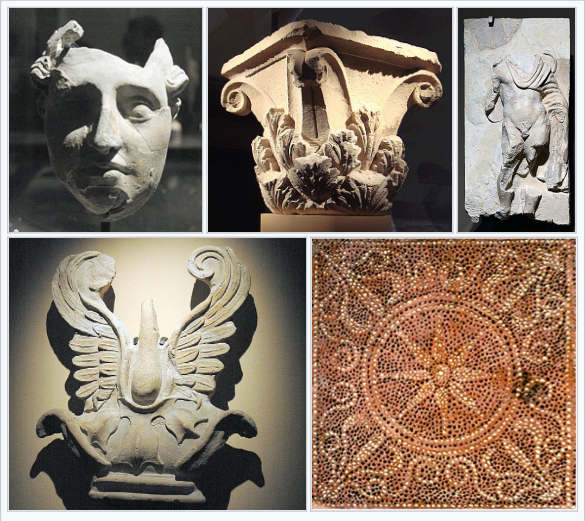
How can you use this information in the classroom? Start by showing different images and just talking about it. You’ll be surprised where the conversations will take you.
Happy teaching,
Ryan Wagoner
The Lyceum of History
“I am indebted to my father for living, but to my teacher for living well.” — Alexander the Great
Follow me on: TpT | YouTube | Blog | X | Facebook



 Lyceum of History
Leave a comment