Why do some conquests bring about lasting change, while others seem to fade from memory? Of all the foreign powers that Bactra came under the dominion of, none changed them as much as the Muslim conquest. When the Umayyad Caliphate came to power in the 7th century AD, sweeping changes reverberated throughout the land. As other Islamic empires came and went, this further cemented the Islamization of the area, effects that can still be seen today.
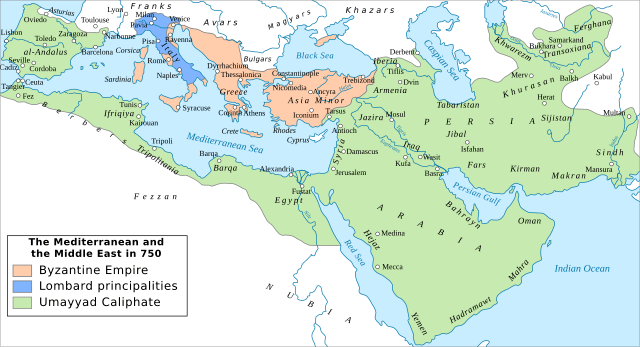
The new power structures implemented Islamic administration and law. The changes ushered in new social and religious institutions. The Bactrians who were placed in positions of power came to adopt Islam, often for social or political advantages. Local religious traditions, Buddhism, and Hinduism were gradually eclipsed by Islam. The city of Balkh would become a center for Islamic scholarship, reinforcing the cultural change.
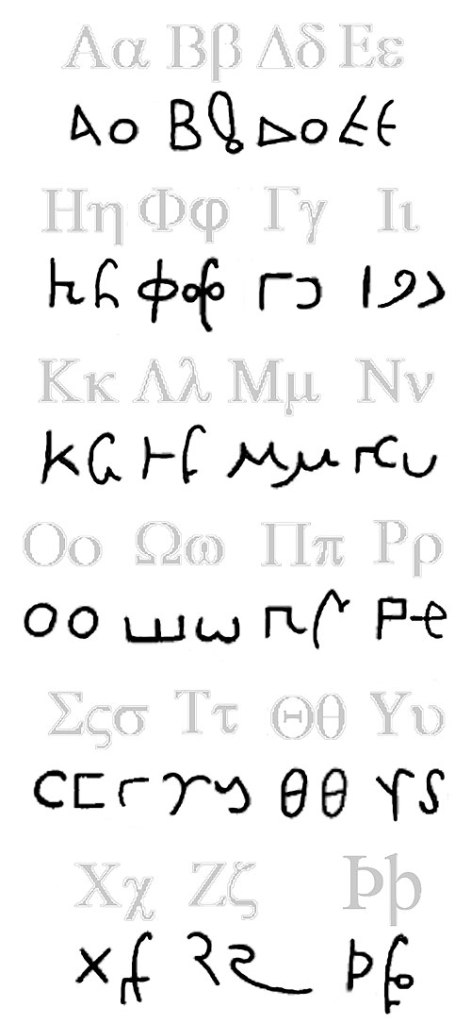
The linguist landscape wasn’t immune to change either. Bactrian, last written using the Greek script, quickly faded, replaced by Persian dialects and later Dari/Tajik. The last known Bactrian inscriptions date to the 9th century AD.
The one area that stayed consistent was trade, although the routes shifted. Bactria continued to be a hub of Silk Road trade, now connecting Central Asia to cities like Baghdad, another center of Islamic trade.
As the new population mixed with incoming Persians, Turkic groups, and Arab garrisons, by the 10th century, Bactrians were no longer described as a distinct people. Who are their descendants today? The Tajiks and some northern Afghan Persian communities can trace their history to this blending of cultures.
So why does this matter today? While it’s hard to pin down an exact number, UNESCO lists roughly 2,500 languages in danger of extinction due to either tiny populations or cultural hegemony. How do we handle these changes? We can start by looking at similar changes across the past. Sometimes, just getting the conversation started is all it takes to spark change.
Happy teaching,
Ryan Wagoner
The Lyceum of History
“I am indebted to my father for living, but to my teacher for living well.” — Alexander the Great
Follow me on: TpT | YouTube | Blog | X | Facebook



 Lyceum of History
Leave a comment