The human brain was wired for organization. It’s the reason the sports page is organized by different sets of statistics and a business presentation features colorful charts. We all have our own way of doing things, or in the case of putting up laundry, of not doing things. Nevertheless, our brain looks for patterns in... Continue Reading →
Multiple Viewpoints From The Past
Last time we talked about how to change up how you structure your discussions of primary source documents. I want to expand that trajectory in a way that will help your students put the past in perspective. There’s nothing wrong with a linear, evidence based approach to understanding the past. What I’m suggesting doesn’t replace... Continue Reading →
Connecting DBQs
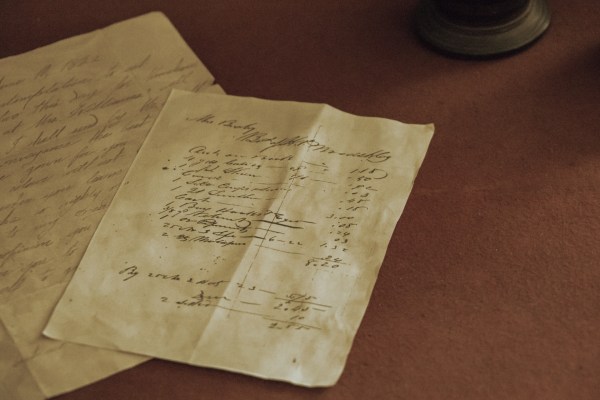
Connecting DBQs to the curriculum is essential for creating a cohesive and engaging learning experience. By selecting documents that align with your current unit of study, you can enhance the relevance and depth of students' understanding. For example, when teaching about the American Revolution, incorporating primary sources such as letters from soldiers, excerpts from the... Continue Reading →
Making A Map Come Alive
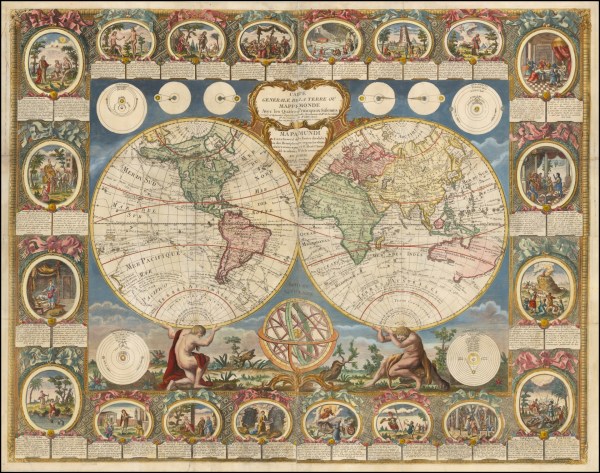
I can remember being a middle school student sitting in a social studies class looking at whatever map(s) went with the topic of the day. I was always fascinated with them. I know, I was weird. But seriously, exploring the world around me always piqued my interest. Even today, I still enjoy a good map.... Continue Reading →
Collaboration is Key
As educators, we recognize the profound impact collaborative learning can have on student success. Encouraging students to work in pairs or small groups to discuss and analyze documents is an invaluable strategy in the social studies classroom. This approach not only enhances individual understanding but also fosters a richer learning environment where diverse perspectives can... Continue Reading →


 Lyceum of History