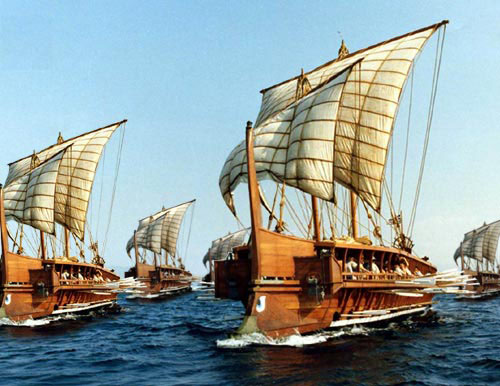
Why the Battle of Salamis Still Matters How can a single naval battle change the course of world history? The Battle of Salamis in 480 BCE offers secondary social studies teachers a powerful case study in strategic thinking, leadership, geography, and the impact of naval power. Fought during the Greco-Persian Wars, Salamis demonstrates how Athenian... Continue Reading →
The Battle of Thermopylae: Lessons in Leadership and Strategy
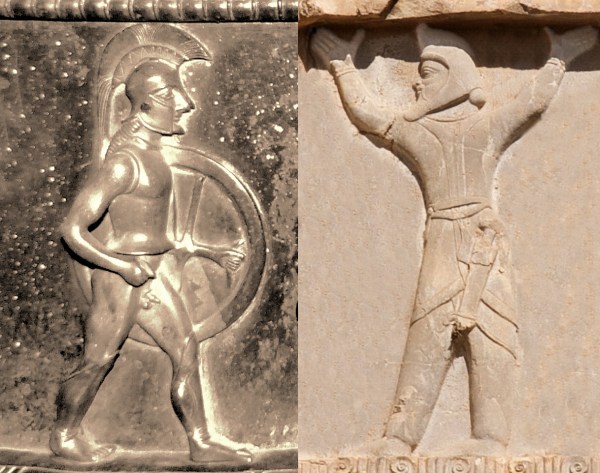
Background: The Persian Invasion of Greece Photograph of the Thermopylae pass near the Phocian Wall, illustrating how the ancient coastline lay closer to the mountains and shaped the narrow battlefield used by the Greeks against the Persians.Source: Fkerasar, Wikimedia Commons, CC BY-SA 3.0 How did 300 Spartans and their allies hold off a massive Persian army... Continue Reading →
Lessons from the Persian Invasion of Greece
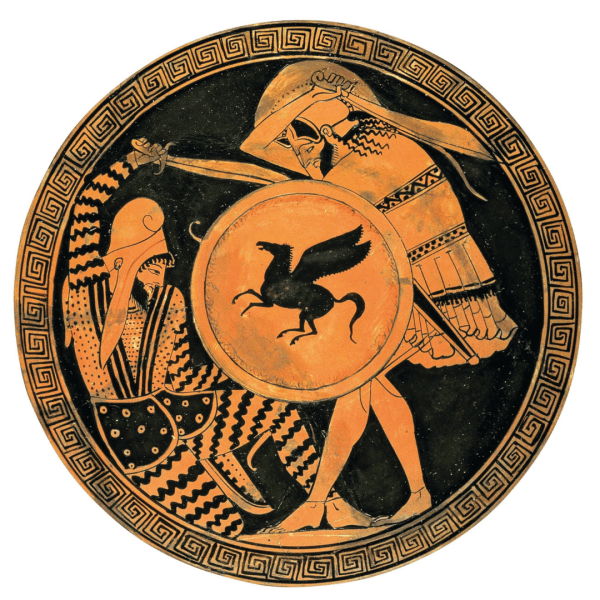
The Persian Invasion of Marathon What lessons can secondary students learn from an underdog victory in ancient history? The Battle of Marathon in 490 BCE provides a vivid example. During the First Greco-Persian War, the Persian Empire under King Darius I landed on the plain of Marathon just outside Athens, aiming to punish the city for supporting... Continue Reading →
Lessons from Kadesh: War, Peace, and Historical Impact
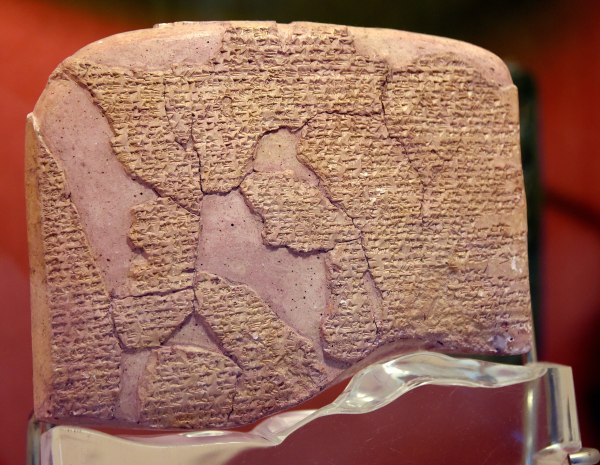
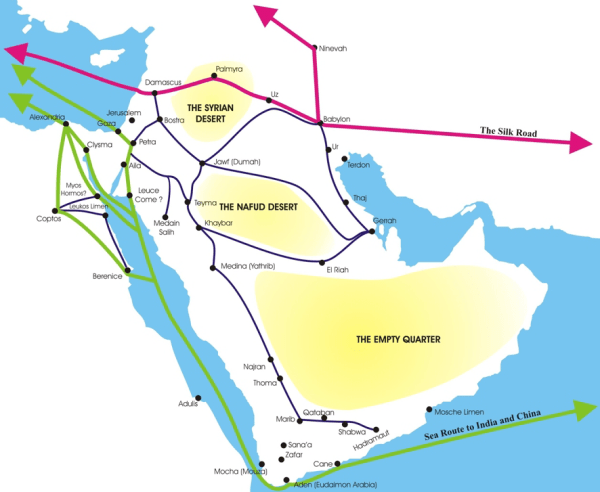
Trade in the Levant When people think of battles, they usually imagine a clear winner and a clear loser. The Battle of Kadesh, fought in 1274 BCE, refuses to fit that mold. It matters precisely because it didn’t end in a decisive victory—instead, it reshaped how civilizations approached war. With this background, teachers can guide students... Continue Reading →
Cultural Fusion in Roman-Persian Frontier Cities
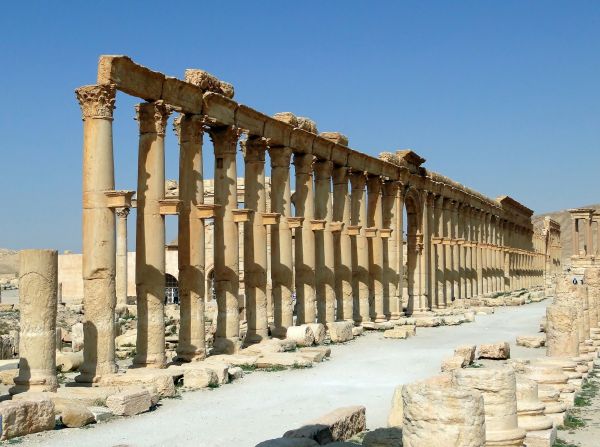
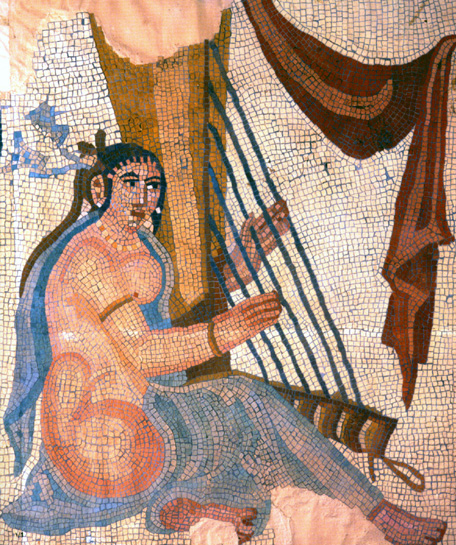
Cities Where Cultures Meet How can exploring daily life in ancient border cities help students understand cultural exchange and globalization? When we think of the Roman–Persian frontier, images of armies, emperors, and shifting borders often come to mind. Yet the most meaningful cultural blending happened far from battlefields and palace halls. It took place in... Continue Reading →
The Dynamic Nature of Borders: Lessons from History
The Illusions of Borders How can exploring historical borderlands help students understand the complexity of political and cultural boundaries today? We often assume that the political lines on modern maps are fixed and represent clear breaks between nations. In reality, these lines are rarely so simple. Cross-border connections—like those between the Southwest United States and Mexico,... Continue Reading →
Lessons from Petra: Trade and Cultural Exchange
A Culture of Blending, Borrowing, Innovating Location of Petra in southern Jordan, showing its position in the modern world. Map © Sting / Wikimedia Commons, CC‑BY‑SA 3.0. Source How can studying ancient trade cities help students understand the ways cultures influence one another? Modern brands like Coke, Disney, Netflix, and Amazon show that cultural exchange is... Continue Reading →
Nabataean Legacy: Trade, Power, and Lessons for Today
Introduction What can a city lost to the desert for centuries teach students about trade, culture, and human ingenuity? In 1812, Johann Ludwig Burckhardt, guided by a Bedouin, rediscovered Petra, a city hidden in the canyons of what is now Jordan. He found the ruins of a once-thriving trade center that connected the riches of Arabia... Continue Reading →
Exploring the Legacy of the Kushan Empire
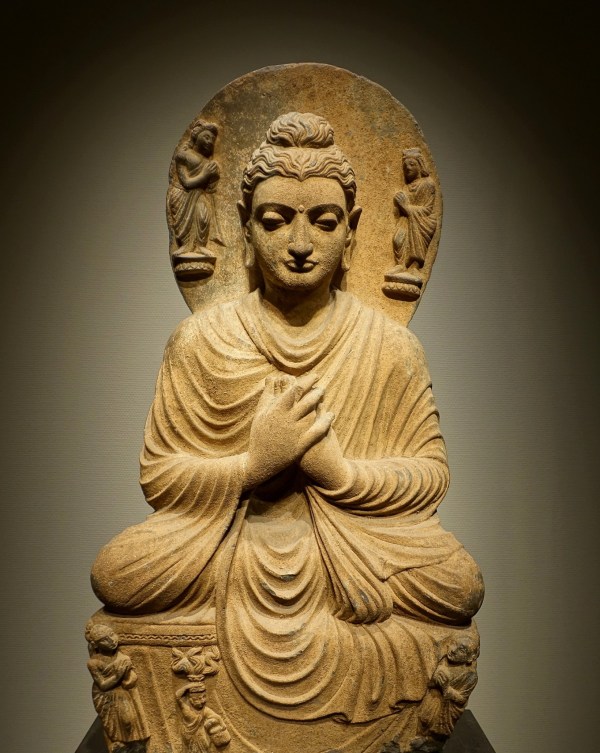
The Legacy of the Kushan Empire How can the art and culture of a long-lost empire help students understand the flow of ideas across ancient Asia? Although the Kushan Empire ended in the 4th century, its legacy continues in art, religion, and the very concept of multicultural exchange. By highlighting key examples of Kushan achievements,... Continue Reading →
Kushan Empire: Bridging Cultures through Art
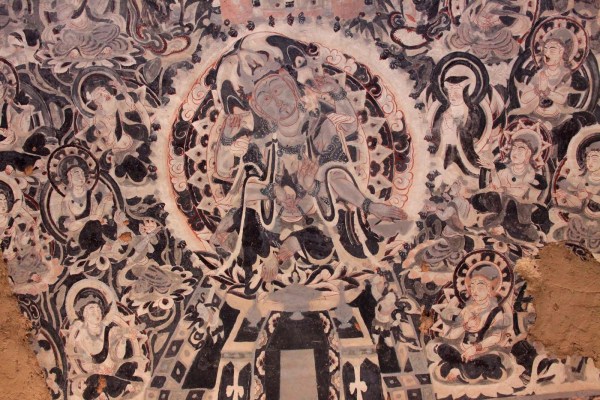
Art in the Kushan Empire How can ancient empires help students understand the power of cultural exchange and creativity? The art of the Kushan Empire provides a perfect example. By blending Greek realism, Persian motifs, Central Asian sensibilities, and Indian spirituality, Kushan artists created a distinctive, hybrid style that illustrates how cultures borrow, adapt, and innovate.... Continue Reading →