At the Lyceum of History, we’re always looking for ways to incorporate social studies into the classroom. I know what you’re thinking—how and why? This seemingly simple science topic actually lends itself quite easily to discussion in any history class.
Ask a teacher about the legacy of the Roman Empire and you’ll hear about language, legal systems, architecture, and more. All of that is true. But when the Romans acquired new territory, they brought more than just their language, laws, and infrastructure—they brought their food too. And that’s what we’re going to focus on today.
History and the Spread of Food
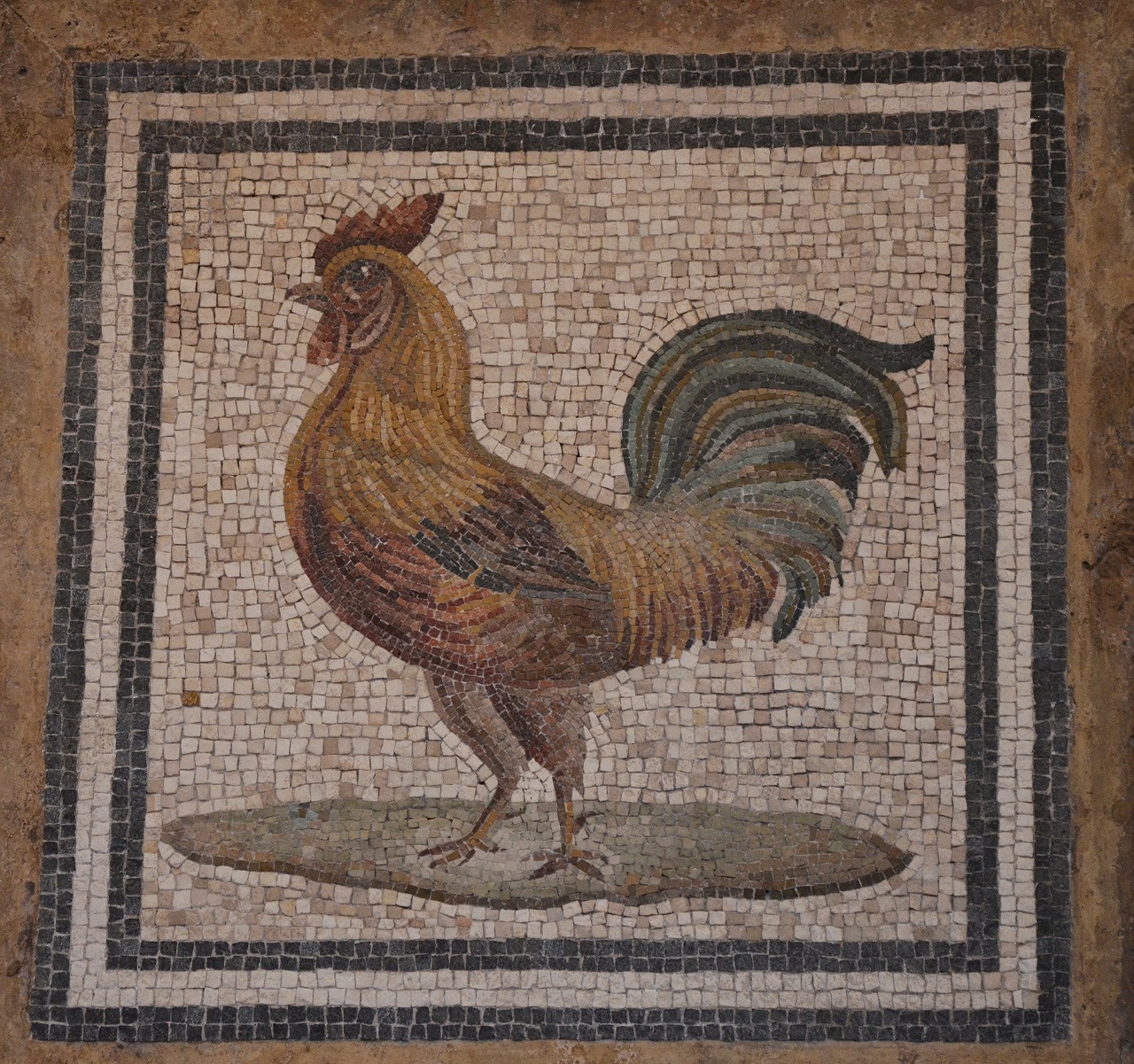
After the Roman invasion of Britain in 43 AD, soldiers brought chickens with them to their new home. These birds interbred with local fowl and adapted to the island’s climate. Over the centuries, they became a staple of British agriculture. By 1902, the breed had been crossed with brahma and cochin chickens, resulting in increased size and distinct plumage.
Teaching Connections
As a teacher, you have the opportunity to extend history into the science classroom—or bring science into history. It doesn’t have to be a full lesson; even a quick side discussion can help students build meaningful connections between disciplines.
Final Thoughts
That’s the joy of teaching. There are always ways to expand a subject and draw students in with lasting connections—even between something as seemingly far apart as the chicken, the egg… and the Roman Empire.
Interested in Resources?
Interested in studying the effects of the largest transfer of plants, animals, and more in history? If so, click here to check out my resource on the Columbian Exchange and use the opportunity to explore just how well science and social studies can work together.
Ryan Wagoner
The Lyceum of History
“I am indebted to my father for living, but to my teacher for living well.” — Alexander the Great
Follow me on: Blog | TpT | YouTube | X | Instagram | Facebook



 Lyceum of History
Leave a comment