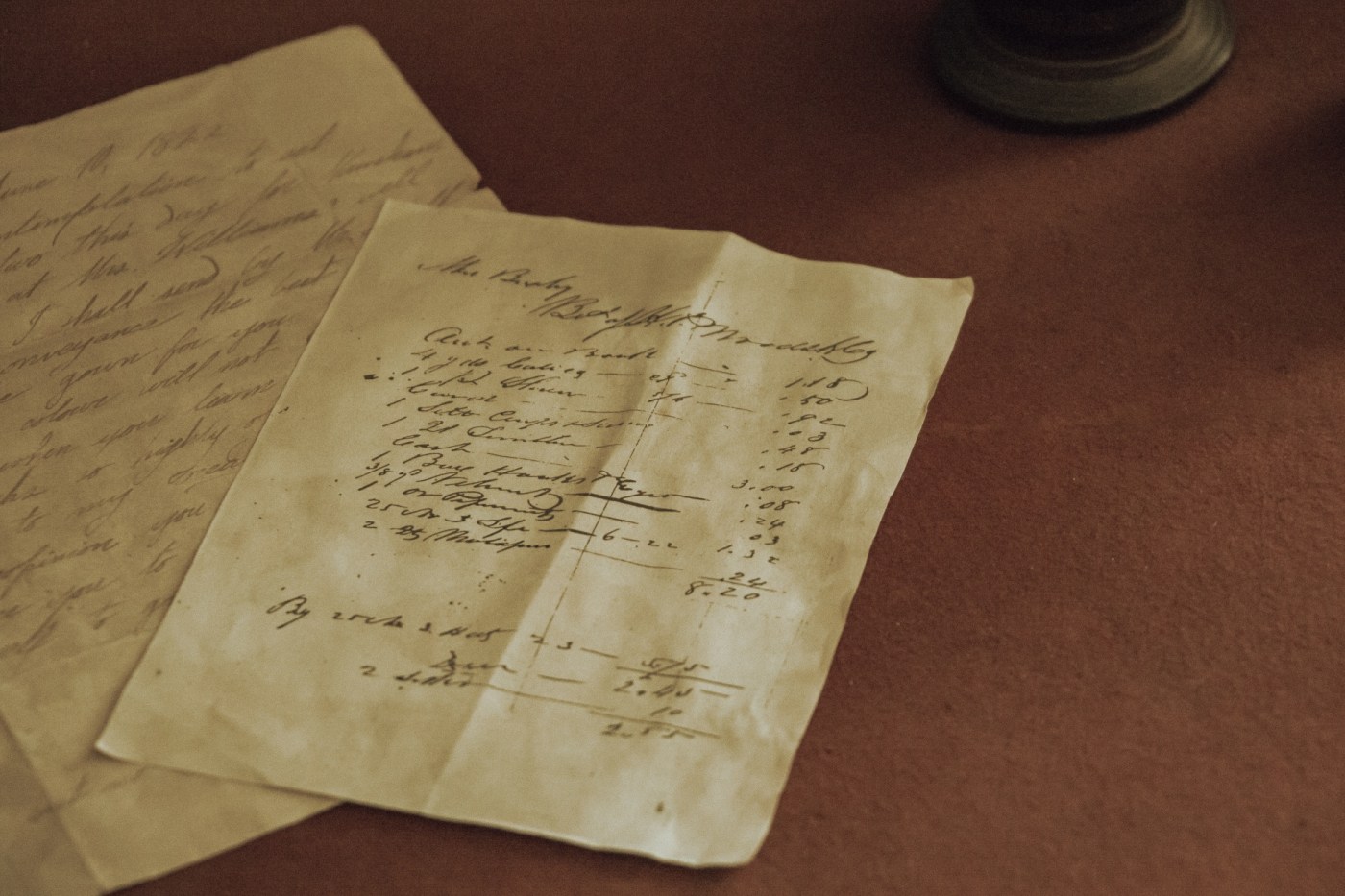
Connecting DBQs to the curriculum is essential for creating a cohesive and engaging learning experience. By selecting documents that align with your current unit of study, you can enhance the relevance and depth of students’ understanding. For example, when teaching about the American Revolution, incorporating primary sources such as letters from soldiers, excerpts from the Declaration of Independence, or newspaper articles from the era can provide students with a tangible connection to the historical events and figures they are studying.
These documents serve as windows into the past, allowing students to explore diverse perspectives and gain a deeper appreciation for the complexities of history. Analyzing these sources in the context of the curriculum helps students see the direct link between their textbook knowledge and real-world historical evidence. It encourages critical thinking as they compare different viewpoints, evaluate the reliability of sources, and understand the motives behind historical actions.
Moreover, aligning DBQs with the curriculum fosters engagement by making the material more relatable. Students are more likely to be interested in and motivated by content that is directly tied to their studies. This approach also reinforces key concepts and themes, aiding in retention and comprehension. By thoughtfully integrating DBQs that connect to the curriculum, you not only enrich the learning experience but also empower students to become more analytical and informed thinkers.
Ryan Wagoner
The Lyceum of History
“I am indebted to my father for living, but to my teacher for living well.” — Alexander the Great
Follow me on: Blog | TpT | YouTube | X | Instagram | Facebook



 Lyceum of History
Leave a comment